

What's inside
What's inside
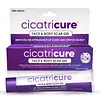 Key Ingredients
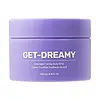
No key ingredients
Benefits
Concerns
Ingredients Side-by-side
Water
Skin ConditioningGlycerin
Humectant


Carbomer
Emulsion StabilisingPropylene Glycol
Humectant

Chamomilla Recutita Flower Extract
Masking

Allium Cepa Bulb Extract
Skin Conditioning
Polysorbate 20
Emulsifying
Phenoxyethanol
Preservative
Centella Asiatica Extract
Cleansing

DMDM Hydantoin
Preservative
Sodium Hydroxide
BufferingAloe Barbadensis Leaf Extract
Emollient
Diazolidinyl Urea
Preservative
Sodium Benzoate
Masking
Disodium EDTA
ChelatingAllantoin
Skin Conditioning
Citrus Aurantium Bergamia Fruit Oil
Masking


Phytonadione Epoxide
AstringentWater, Glycerin, Carbomer, Propylene Glycol, Chamomilla Recutita Flower Extract, Allium Cepa Bulb Extract, Polysorbate 20, Phenoxyethanol, Centella Asiatica Extract, DMDM Hydantoin, Sodium Hydroxide, Aloe Barbadensis Leaf Extract, Diazolidinyl Urea, Sodium Benzoate, Disodium EDTA, Allantoin, Citrus Aurantium Bergamia Fruit Oil, Phytonadione Epoxide
Water
Skin ConditioningEthylhexyl Palmitate
Emollient

Palmitic Acid
Emollient
Stearic Acid
Cleansing
Propylene Glycol
Humectant
Glycerin
Humectant
Dimethicone
Emollient
Butyrospermum Parkii Butter
Skin Conditioning
Cetearyl Alcohol
Emollient

Cocos Nucifera Oil
Masking
Melatonin
Antioxidant
Chamomilla Recutita Flower Extract
Masking
Acrylates/C10-30 Alkyl Acrylate Crosspolymer
Emulsion StabilisingValeriana Officinalis Root Extract
Skin ConditioningSilybum Marianum Extract
Skin Conditioning
Lactobacillus Ferment
Skin Conditioning
Sarcothalia Crispata
CleansingPropanediol
Solvent
Carbomer
Emulsion StabilisingSodium Hydroxide
BufferingSodium Phytate
ChelatingMagnesium Ascorbyl Phosphate
Antioxidant


Gluconolactone
Chelating


Cyathea Medullaris Leaf Extract
Skin ConditioningArctostaphylos Uva-Ursi Leaf Extract
Skin Conditioning
Passiflora Edulis Seed Oil
Emollient
Myristic Acid
Cleansing
C13-14 Isoparaffin
Emollient
Laureth-7
EmulsifyingTocopherol
Antioxidant
Ethylhexylglycerin
Skin ConditioningPolyacrylamide
Phospholipids
Skin Conditioning
Phenoxyethanol
Preservative
Sodium Benzoate
Masking
Potassium Sorbate
Preservative
Calcium Gluconate
HumectantParfum
Masking
Citronellol
Perfuming
Coumarin
Perfuming
Eugenol
Perfuming
Geraniol
Perfuming
Limonene
Perfuming
Linalool
Perfuming
CI 42090
Cosmetic ColorantCI 17200
Cosmetic ColorantWater, Ethylhexyl Palmitate, Palmitic Acid, Stearic Acid, Propylene Glycol, Glycerin, Dimethicone, Butyrospermum Parkii Butter, Cetearyl Alcohol, Cocos Nucifera Oil, Melatonin, Chamomilla Recutita Flower Extract, Acrylates/C10-30 Alkyl Acrylate Crosspolymer, Valeriana Officinalis Root Extract, Silybum Marianum Extract, Lactobacillus Ferment, Sarcothalia Crispata, Propanediol, Carbomer, Sodium Hydroxide, Sodium Phytate, Magnesium Ascorbyl Phosphate, Gluconolactone, Cyathea Medullaris Leaf Extract, Arctostaphylos Uva-Ursi Leaf Extract, Passiflora Edulis Seed Oil, Myristic Acid, C13-14 Isoparaffin, Laureth-7, Tocopherol, Ethylhexylglycerin, Polyacrylamide, Phospholipids, Phenoxyethanol, Sodium Benzoate, Potassium Sorbate, Calcium Gluconate, Parfum, Citronellol, Coumarin, Eugenol, Geraniol, Limonene, Linalool, CI 42090, CI 17200
Reviews
Ingredients Explained
These ingredients are found in both products.
Ingredients higher up in an ingredient list are typically present in a larger amount.
Carbomer is a synthetic thickening and gelling agent. It's basically the ingredient that gives a lot of serums, gels, creams, and sunscreens their smooth, non-sticky texture.
Although legally permitted at very high levels, carbomers are normally used at concentrations below 1%.
It also needs to be neutralized to actually thicken, and because it is a large molecule, it doesn't really penetrate the skin barrier.
Allergy-wise, the risk is very low. Clinical studies show carbomers have low potential for skin irritation/sensitization even at concentrations up to 100%.
A 2024 UK study patch-tested 1,302 patients and found true allergy to the parent group of carbomer to be rare with no confirmed relevant reactions.
Learn more about CarbomerChamomilla Recutita Flower Extract comes from the Chamomile flower.
Chamomile is rich in antioxidants and has anti-inflammatory properties. Several compounds found in chamomile help with soothing, such as bisbolol.
Antioxidant components in chamomile make it an effective ingredient to help slow the signs of aging. Antioxidants help fight free-radical molecules, or molecules that may damage your skin.
Essential oils from chamomile have been found to improve wound healing due to its antimicrobial properties.
Ancient Greeks and Egyptians used Chamomile to treat skin redness and dryness. Chamomile has also been used to help treat stomach issues.
Learn more about Chamomilla Recutita Flower ExtractGlycerin (or glycerol) is a compound naturally found in your skin. It's a powerhouse humectant that pulls water into the stratum corneum.
Topically, glycerin does several things at once:
Your skin makes glycerin on its own (mostly from sebaceous oil breakdown) and shuttles it to your outermost layer of skin, or your epidermis, via aquaporin-3.
Aquaporin-3 is a transporter that is essential for normal skin hydration, elasticity, and repair. Interestingly, mice lacking in AQP3 have dry and less elastic skin that can be fully corrected with glycerin.
This ingredient is non-irritating, plays well with almost every ingredient, and works across all skin types. Typical use is anywhere between 3-10% but can go up to 79% in some leave-on products.
Just know very high concentrations (>40%) can feel tacky in low humidity.
Glycerin is the name for this ingredient in American English. British English uses Glycerol/Glycerine.
Learn more about GlycerinPhenoxyethanol is one of the most widely used preservatives in skincare (and for good reason!).
It has a large spectrum of antimicrobial activity and especially effective bacteria, yeast, and mold while only having a weak effect on your skin's natural microbiome.
On a cellular level, it disrupts the cell membranes of microbes by poking holes that make the cell leak. This shuts down the chemical reactions the microbe needs to make energy so it can no longer survive.
Another perk of this ingredient is that it stays functional across a wide pH range (3-10).
You'll often see it paired with boosters like Ethylhexylglycerin; one study showed that a 1:9 ratio of Ethylhexylglycerin to Phenoxyethanol damages bacterial membranes as effectively as doubling the Phenoxyethanol concentration on its own.
Typical use concentrations range from 0.3-1% depending on the formula, and this ingredient is capped at 1% int the EU.
Safety-wise, the fear mongering does not hold up to the evidence. The EU's Scientific Committee on Consumer Safety and FDA consider it safe as a preservative at up to 1%, including for children of all ages.
Adverse systemic effects only showed up in animal studies at exposures roughly 200x higher than what people get from cosmetics. And despite its very widespread use, this ingredient is a rare sensitizer and allergic reactions are uncommon.
Learn more about PhenoxyethanolPropylene Glycol is a synthetic, colorless, odorless liquid that has been a staple in cosmetics for decades. It is a skin conditioning agent, humectant, and solvent.
As a humectant, it draw water to the skin to reduce flaking and restore suppleness. It's also a solvent that helps dissolve other actives and keeps formulas stable across temperature changes.
The CIR Expert Panel has confirmed this ingredient to be nontoxic and clinical studies show no sensitization at cosmetic use concentrations.
True allergic reactions are quite rare: a 15-year retrospective study of 6,751 patients found only 0.31% had a positive reaction (and less than half were considered clinically relevant).
It seemed that when sensitization does occur, it's most commonly linked to topical medication (like corticosteroids) and not cosmetics. Allergic contact dermatitis also appears largely limited to individuals with underlying skin conditions.
Overall, propylene glycol is a well-studied ingredient that most people can tolerate without issue.
Learn more about Propylene GlycolSodium Benzoate is a preservative. It's used in both cosmetic and food products to inhibit the growth of mold and bacteria. It is typically produced synthetically.
Both the US FDA and EU Health Committee have approved the use of sodium benzoate. In the US, levels of 0.1% (of the total product) are allowed.
Sodium benzoate works as a preservative by inhibiting the growth of bacteria inside of cells. It prevents the cell from fermenting a type of sugar using an enzyme called phosphofructokinase.
It is the salt of benzoic acid. Foods containing sodium benzoate include soda, salad dressings, condiments, fruit juices, wines, and snack foods.
Studies for using ascorbic acid and sodium benzoate in cosmetics are lacking, especially in skincare routines with multiple steps.
We always recommend speaking with a professional, such as a dermatologist, if you have any concerns.
Learn more about Sodium BenzoateSodium Hydroxide is also known as lye or caustic soda. It is used to adjust the pH of products; many ingredients require a specific pH to be effective.
In small amounts, sodium hydroxide is considered safe to use. However, large amounts may cause chemical burns due to its high alkaline.
Your skin has a natural pH and acid mantle. This acid mantle helps prevent harmful bacteria from breaking through. The acid mantle also helps keep your skin hydrated.
"Alkaline" refers to a high pH level. A low pH level would be considered acidic.
Learn more about Sodium HydroxideWater. It's the most common cosmetic ingredient of all. You'll usually see it at the top of ingredient lists, meaning that it makes up the largest part of the product.
So why is it so popular? Water most often acts as a solvent - this means that it helps dissolve other ingredients into the formulation.
You'll also recognize water as that liquid we all need to stay alive. If you see this, drink a glass of water. Remember to stay hydrated!
Learn more about Water

