
What's inside
What's inside
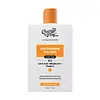 Key Ingredients
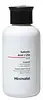
Benefits
Concerns
Ingredients Side-by-side
Water
Skin ConditioningSodium Lauroyl Sarcosinate
CleansingCocamidopropyl Betaine
Cleansing

Sodium Lauroyl Methyl Isethionate
CleansingAcrylates Copolymer
Glycol Stearate
Emollient
Propanediol
Solvent
Lactic Acid
Buffering







Cocamide Mea
EmulsifyingBetaine
Humectant

Salicylic Acid
Masking



Phenoxyethanol
Preservative
Parfum
Masking
Tocopheryl Acetate
Antioxidant

Oryza Sativa Powder
Cellulose
AbsorbentSodium Astrocaryum Murumuruate
EmollientSodium Hyaluronate
Humectant
Oryza Sativa Cera
Skin ConditioningHydrolyzed Amorphophallus Konjac Root
HumectantPhospholipids
Skin Conditioning
Sphingolipids
Emollient
Sodium Hydroxide
BufferingDisodium EDTA
Water, Sodium Lauroyl Sarcosinate, Cocamidopropyl Betaine, Sodium Lauroyl Methyl Isethionate, Acrylates Copolymer, Glycol Stearate, Propanediol, Lactic Acid, Cocamide Mea, Betaine, Salicylic Acid, Phenoxyethanol, Parfum, Tocopheryl Acetate, Oryza Sativa Powder, Cellulose, Sodium Astrocaryum Murumuruate, Sodium Hyaluronate, Oryza Sativa Cera, Hydrolyzed Amorphophallus Konjac Root, Phospholipids, Sphingolipids, Sodium Hydroxide, Disodium EDTA
Water
Skin ConditioningGlycerin
Humectant
Propanediol
Solvent
Cocamidopropyl Betaine
Cleansing
Sodium Lauroyl Methyl Isethionate
CleansingDecyl Glucoside
CleansingSalicylic Acid
Masking
Xylitylglucoside
Humectant
PEG-120 Methyl Glucose Dioleate
Emulsifying
Panthenol
Skin Conditioning
Betaine
Humectant
Sodium PCA
Humectant
PEG-150 Pentaerythrityl Tetrastearate
Emulsifying
PEG-6 Caprylic/Capric Glycerides
EmulsifyingAnhydroxylitol
Humectant
Xylitol
Humectant
Pentylene Glycol
Skin ConditioningAvena Sativa Kernel Extract
Abrasive
Sodium Hydroxide
BufferingSodium Lactate
BufferingPhenoxyethanol
Preservative
Ethylhexylglycerin
Skin ConditioningCoco-Glucoside
CleansingGlyceryl Oleate
Emollient
Zinc PCA
Humectant
Lactic Acid
Buffering
Capryloyl Salicylic Acid
Exfoliating
Allantoin
Skin Conditioning
Trisodium Ethylenediamine Disuccinate
Water, Glycerin, Propanediol, Cocamidopropyl Betaine, Sodium Lauroyl Methyl Isethionate, Decyl Glucoside, Salicylic Acid, Xylitylglucoside, PEG-120 Methyl Glucose Dioleate, Panthenol, Betaine, Sodium PCA, PEG-150 Pentaerythrityl Tetrastearate, PEG-6 Caprylic/Capric Glycerides, Anhydroxylitol, Xylitol, Pentylene Glycol, Avena Sativa Kernel Extract, Sodium Hydroxide, Sodium Lactate, Phenoxyethanol, Ethylhexylglycerin, Coco-Glucoside, Glyceryl Oleate, Zinc PCA, Lactic Acid, Capryloyl Salicylic Acid, Allantoin, Trisodium Ethylenediamine Disuccinate
Reviews
Ingredients Explained
These ingredients are found in both products.
Ingredients higher up in an ingredient list are typically present in a larger amount.
Betaine is a common humectant (a substance that promotes retention of moisture). It's known to be gentle on the skin and can help balance hydration.
This ingredient is best for improving hydration and soothing irritated skin. Studies also show it helps even out skin tone.
Fun fact: Betaine is naturally created in the skin and body. The kind found within cosmetic products can be either plant-derived or synthetic.
Another name for betaine is trimethylglycine.
Learn more about BetaineCocamidopropyl Betaine is a fatty acid created by mixing similar compounds in coconut oil and dimethylaminopropylamine, a compound with two amino groups.
This ingredient is a surfactant and cleanser. It helps gather the dirt, pollutants, and other impurities in your skin to be washed away. It also helps thicken a product and make the texture more creamy.
Being created from coconut oil means Cocamidopropyl Betaine is hydrating for the skin.
While Cocamidopropyl Betaine was believed to be an allergen, a study from 2012 disproved this. It found two compounds in unpure Cocamidopropyl Betaine to be the irritants: aminoamide and 3-dimethylaminopropylamine. High-grade and pure Cocamidopropyl Betaine did not induce allergic reactions during this study.
Learn more about Cocamidopropyl BetaineLactic Acid is another well-loved alpha hydroxy acid (AHA). It is gentler than glycolic acid but still highly effective.
Its main role is to exfoliate the surface of the skin by loosening the “glue” that holds dead skin cells together. Shedding those old cells leads to smoother, softer, and more even-toned skin.
Because lactic acid molecules are larger than glycolic acid, they don’t penetrate as deeply. This means they’re less likely to sting or irritate, making it a great choice for beginners or those with sensitive skin.
Like glycolic acid, it can:
Lactic acid also acts as a humectant (like hyaluronic acid). It can draw water into the skin to improve hydration and also plays a role in the skin's natural moisturizing factor (NMF) in the form of sodium lactate.
Studies show it can boost ceramide production to strengthen the skin barrier and even help balance the skin’s microbiome.
To get results, choose products with a pH between 3-4.
Lower strengths (5-12%) focus on surface exfoliation; higher strengths (12% and up) can reach deeper in the dermis (deeper, supportive layer) to improve skin texture and firmness over time.
Though it was originally derived from milk, most modern lactic acid used in skincare is vegan. It is made through non-dairy fermentation to create a bio-identical and stable form suitable for all formulations.
When lactic acid shows up near the end of an ingredient list, it usually means the brand added just a tiny amount to adjust the product’s pH.
Legend has it that Cleopatra used to bathe in sour milk to help reduce wrinkles.
Lactic acid is truly a gentle multitasker: it exfoliates, hydrates, strengthens, and brightens. It's a great ingredient for giving your skin a smooth, glowing, and healthy look without the harshness of stronger acids.
Read more about some other popular AHA's here:
Learn more about Lactic AcidPhenoxyethanol is a preservative that has germicide, antimicrobial, and aromatic properties. Studies show that phenoxyethanol can prevent microbial growth. By itself, it has a scent that is similar to that of a rose.
It's often used in formulations along with Caprylyl Glycol to preserve the shelf life of products.
Propanediol is an all-star ingredient. It softens, hydrates, and smooths the skin.
It’s often used to:
Propanediol is not likely to cause sensitivity and considered safe to use. It is derived from corn or petroleum with a clear color and no scent.
Learn more about PropanediolSalicylic Acid (also known as beta hydroxy acid or BHA) is a well-known ingredient for treating skin that struggles with acne and clogged pores. It exfoliates both the skin's surface and deep within the pores to help clear out buildup, control oil, and reduce inflammation.
Unlike AHAs (alpha hydroxy acids), salicylic acid is oil-soluble. This allows it to penetrate into pores which makes it especially effective for treating blackheads and preventing future breakouts.
Salicylic acid is also known for its soothing properties. It has a similar structure to aspirin and can calm inflamed or irritated skin, making it a good option for acne-prone skin that is also sensitive.
Concentrations of 0.5-2% are recognized by the U.S. FDA as an over-the-counter topical acne product.
It can cause irritation and/or dryness if one's skin already has a compromised moisture barrier, so it's best to focus on repairing that before introducing this ingredient into your routine.
While salicylic acid does not increase sun sensitivity, it’s still important to wear sunscreen daily to protect your skin.
If you are looking for the ingredient called BHA or Butylated Hydroxyanisole, click here.
Learn more about Salicylic AcidSodium Hydroxide is also known as lye or caustic soda. It is used to adjust the pH of products; many ingredients require a specific pH to be effective.
In small amounts, sodium hydroxide is considered safe to use. However, large amounts may cause chemical burns due to its high alkaline.
Your skin has a natural pH and acid mantle. This acid mantle helps prevent harmful bacteria from breaking through. The acid mantle also helps keep your skin hydrated.
"Alkaline" refers to a high pH level. A low pH level would be considered acidic.
Learn more about Sodium HydroxideSodium Lauroyl Methyl Isethionate is a cleansing ingredient. It is a surfactant, meaning it helps gather dirt, oil, and other pollutants. This helps them be rinsed away easily.
Water. It's the most common cosmetic ingredient of all. You'll usually see it at the top of ingredient lists, meaning that it makes up the largest part of the product.
So why is it so popular? Water most often acts as a solvent - this means that it helps dissolve other ingredients into the formulation.
You'll also recognize water as that liquid we all need to stay alive. If you see this, drink a glass of water. Stay hydrated!
Learn more about Water
