Charlotte Tilbury Airbrush Flawless Foundation Versus Charlotte Tilbury Airbrush Flawless Blur Concealer

What's inside
What's inside
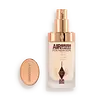 Key Ingredients
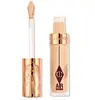
Benefits
Concerns
No concerns
Ingredients Side-by-side
Water
Skin ConditioningIsododecane
EmollientDimethicone
Emollient

Glycerin
Humectant

Cetyl PEG/PPG-10/1 Dimethicone
Emulsifying
Butylene Glycol Dicaprylate/Dicaprate
EmollientTrisiloxane
Skin Conditioning
Silica
Abrasive


Bis-Hydroxyethoxypropyl Dimethicone/Ipdi Copolymer Ethylcarbamate
Quaternium-90 Bentonite
Calcium Sodium Borosilicate
Di-C12-13 Alkyl Tartrate
EmollientDiisostearyl Malate
EmollientSorbitan Isostearate
Emulsifying
Phenoxyethanol
Preservative
Sodium Chloride
MaskingAlcohol
Antimicrobial




Saccharomyces Ferment
Skin Conditioning
Dimethicone Crosspolymer
Emulsion Stabilising
Menthyl PCA
HumectantMarrubium Vulgare Extract
Skin ConditioningPotassium Sorbate
Preservative
Sodium Dehydroacetate
Preservative
Dextrin Palmitate
Emulsifying
Alumina
Abrasive
Triethoxycaprylylsilane
Dimethicone/Vinyl Dimethicone Crosspolymer
Skin Conditioning
Polyphenylsilsesquioxane
C20-24 Olefin
Skin ConditioningPropylene Carbonate
SolventGlycogen
HumectantTocopheryl Acetate
Antioxidant


Isomalt
HumectantLauroyl Lysine
Skin Conditioning
Citric Acid
Buffering
Pentaerythrityl Tetra-Di-T-Butyl Hydroxyhydrocinnamate
Antioxidant
Phytol
Emollient
CI 77891
Cosmetic ColorantIron Oxides
Water, Isododecane, Dimethicone, Glycerin, Cetyl PEG/PPG-10/1 Dimethicone, Butylene Glycol Dicaprylate/Dicaprate, Trisiloxane, Silica, Bis-Hydroxyethoxypropyl Dimethicone/Ipdi Copolymer Ethylcarbamate, Quaternium-90 Bentonite, Calcium Sodium Borosilicate, Di-C12-13 Alkyl Tartrate, Diisostearyl Malate, Sorbitan Isostearate, Phenoxyethanol, Sodium Chloride, Alcohol, Saccharomyces Ferment, Dimethicone Crosspolymer, Menthyl PCA, Marrubium Vulgare Extract, Potassium Sorbate, Sodium Dehydroacetate, Dextrin Palmitate, Alumina, Triethoxycaprylylsilane, Dimethicone/Vinyl Dimethicone Crosspolymer, Polyphenylsilsesquioxane, C20-24 Olefin, Propylene Carbonate, Glycogen, Tocopheryl Acetate, Isomalt, Lauroyl Lysine, Citric Acid, Pentaerythrityl Tetra-Di-T-Butyl Hydroxyhydrocinnamate, Phytol, CI 77891, Iron Oxides
Water
Skin ConditioningDimethicone
Emollient
Caprylyl Methicone
Skin Conditioning
Lauryl Polyglyceryl-3 Polydimethylsiloxyethyl Dimethicone
Skin Conditioning
Squalane
Emollient
Propanediol
Solvent
Polyglyceryl-3 Polydimethylsiloxyethyl Dimethicone
Skin Conditioning
Mica
Cosmetic ColorantDisteardimonium Hectorite
StabilisingDimethicone/Vinyl Dimethicone Crosspolymer
Skin Conditioning
Aluminum Starch Octenylsuccinate
Absorbent
CI 77120
Cosmetic ColorantSodium Chloride
MaskingTrimethylsiloxysilicate
Emollient
Aluminum Hydroxide
EmollientLevulinic Acid
Perfuming
Sodium Dehydroacetate
Preservative
Glycogen
HumectantSodium Levulinate
Skin ConditioningPolyhydroxystearic Acid
Emulsifying
Sodium Lauroyl Glutamate
Glycerin
Humectant
Sodium Hyaluronate
Humectant

Lysine
Skin ConditioningHydrogen Dimethicone
Magnesium Chloride
Tocopherol
Antioxidant
CI 77891
Cosmetic ColorantCI 77491
Cosmetic ColorantCI 77492
Cosmetic ColorantCI 77499
Cosmetic ColorantWater, Dimethicone, Caprylyl Methicone, Lauryl Polyglyceryl-3 Polydimethylsiloxyethyl Dimethicone, Squalane, Propanediol, Polyglyceryl-3 Polydimethylsiloxyethyl Dimethicone, Mica, Disteardimonium Hectorite, Dimethicone/Vinyl Dimethicone Crosspolymer, Aluminum Starch Octenylsuccinate, CI 77120, Sodium Chloride, Trimethylsiloxysilicate, Aluminum Hydroxide, Levulinic Acid, Sodium Dehydroacetate, Glycogen, Sodium Levulinate, Polyhydroxystearic Acid, Sodium Lauroyl Glutamate, Glycerin, Sodium Hyaluronate, Lysine, Hydrogen Dimethicone, Magnesium Chloride, Tocopherol, CI 77891, CI 77491, CI 77492, CI 77499
Reviews
Ingredients Explained
These ingredients are found in both products.
Ingredients higher up in an ingredient list are typically present in a larger amount.
Ci 77891 is a white pigment from Titanium dioxide. It is naturally found in minerals such as rutile and ilmenite.
It's main function is to add a white color to cosmetics. It can also be mixed with other colors to create different shades.
Ci 77891 is commonly found in sunscreens due to its ability to block UV rays.
Learn more about CI 77891Dimethicone is a type of synthetic silicone created from natural materials such as quartz. It is also known as polydimethylsiloxane.
What it does:
Dimethicone comes in different viscosities:
Depending on the viscosity, dimethicone has different properties.
Ingredients lists don't always show which type is used, so we recommend reaching out to the brand if you have questions about the viscosity.
This ingredient is unlikely to cause irritation because it does not get absorbed into skin. However, people with silicone allergies should be careful about using this ingredient.
Note: Dimethicone may contribute to pilling. This is because it is not oil or water soluble, so pilling may occur when layered with products. When mixed with heavy oils in a formula, the outcome is also quite greasy.
Learn more about DimethiconeThis ingredient is a silicone elastomer that works as a texture enhancer, adds a silky slip, and also helps absorb excess oil.
Because it's a large macromolecule that's insoluble in water and chemically inert, it's not expected to penetrate or be absorbed into skin.
Human patch tests with a facial lotion containing 1% of this ingredient found no sensitization.
Learn more about Dimethicone/Vinyl Dimethicone CrosspolymerGlycerin (or glycerol) is a compound naturally found in your skin. It's a powerhouse humectant that pulls water into the stratum corneum.
Topically, glycerin does several things at once:
Your skin makes glycerin on its own (mostly from sebaceous oil breakdown) and shuttles it to your outermost layer of skin, or your epidermis, via aquaporin-3.
Aquaporin-3 is a transporter that is essential for normal skin hydration, elasticity, and repair. Interestingly, mice lacking in AQP3 have dry and less elastic skin that can be fully corrected with glycerin.
This ingredient is non-irritating, plays well with almost every ingredient, and works across all skin types. Typical use is anywhere between 3-10% but can go up to 79% in some leave-on products.
Just know very high concentrations (>40%) can feel tacky in low humidity.
Glycerin is the name for this ingredient in American English. British English uses Glycerol/Glycerine.
Learn more about GlycerinGlycogen is a naturally occurring polysaccharide.
You can find glycogen in our keratinocytes (the cells that produce keratin). It plays an important role in skin hydration and barrier recovery.
Recent research shows topical glycogen can help improve skin moisture, support barrier function, and increase the rate of keratinocyte production. Some studies also suggest this ingredient can protect our skin from oxidative stress.
Biologically, animals and some microorganisms use glycogen as an energy-storage molecule.
This ingredient is usually derived from marine or plant sources, but can sometimes come from animals. We recommend reaching out to the brand if you have questions about the source of their glycogen.
Learn more about GlycogenChances are, you eat sodium chloride every day. Sodium Chloride is also known as table salt. This ingredient has many purposes in skincare: thickener, emulsifier, and exfoliator.
You'll most likely find this ingredient in cleansers where it is used to create a gel-like texture. As an emulsifier, it also prevents ingredients from separating.
You might see people debate whether Sodium Chloride is comedogenic, but there actually haven't been any comedogenic tests done on it. Either way, the overall formulation of a product matters a lot more than any single ingredient.
You might see this ingredient used in scrubs as a primary exfoliating ingredient.
Learn more about Sodium ChlorideThis ingredient is a preservative with antimicrobial properties. It is the sodium salt of dehydroacetic acid.
It is especially effective at preventing bacterial and fungal growth in low concentrations.
Water. It's the most common cosmetic ingredient of all. You'll usually see it at the top of ingredient lists, meaning that it makes up the largest part of the product.
So why is it so popular? Water most often acts as a solvent - this means that it helps dissolve other ingredients into the formulation.
You'll also recognize water as that liquid we all need to stay alive. If you see this, drink a glass of water. Remember to stay hydrated!
Learn more about Water
