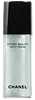
This serum is formulated around Zingiber Officinale Root Extract to calm irritation and support scar healing.
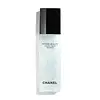
This hydrating essence is formulated around Zingiber Officinale Root Extract and Sodium Hyaluronate to hydrate skin and strengthen the skin barrier.

What's inside
What's inside
 Key Ingredients
Benefits
Concerns
Ingredients Side-by-side
Water
Skin ConditioningGlycerin
Humectant


Propanediol
Solvent
Betaine
Humectant
Butylene Glycol
Humectant
Pentylene Glycol
Skin Conditioning
Sorbitol
Humectant
Coco-Caprylate/Caprate
Emollient
Caprylic/Capric Triglyceride
Masking
Oleyl Erucate
Emollient

Camellia Japonica Flower Water
Skin ConditioningFaex
Skin ConditioningCamellia Japonica Flower Extract
EmollientZingiber Officinale Root Extract
Masking
Camellia Oleifera Seed Oil
Skin Conditioning
Castor Oil/Ipdi Copolymer
Carbomer
Emulsion StabilisingLimnanthes Alba Seed Oil
Skin Conditioning
Parfum
Masking



Chlorphenesin
Antimicrobial
Sodium Hyaluronate
Humectant


Dipropylene Glycol
HumectantSodium Hydroxide
BufferingTriheptanoin
Skin ConditioningTrisodium Ethylenediamine Disuccinate
ChelatingC13-15 Alkane
SolventCaprylyl Glycol
Emollient
1,2-Hexanediol
Skin Conditioning
Tocopherol
Antioxidant



Ricinus Communis Seed Oil
Masking
Helianthus Annuus Seed Oil
Emollient
CI 42090
Cosmetic ColorantWater, Glycerin, Propanediol, Betaine, Butylene Glycol, Pentylene Glycol, Sorbitol, Coco-Caprylate/Caprate, Caprylic/Capric Triglyceride, Oleyl Erucate, Camellia Japonica Flower Water, Faex, Camellia Japonica Flower Extract, Zingiber Officinale Root Extract, Camellia Oleifera Seed Oil, Castor Oil/Ipdi Copolymer, Carbomer, Limnanthes Alba Seed Oil, Parfum, Chlorphenesin, Sodium Hyaluronate, Dipropylene Glycol, Sodium Hydroxide, Triheptanoin, Trisodium Ethylenediamine Disuccinate, C13-15 Alkane, Caprylyl Glycol, 1,2-Hexanediol, Tocopherol, Ricinus Communis Seed Oil, Helianthus Annuus Seed Oil, CI 42090
Water
Skin ConditioningGlycerin
Humectant
Butylene Glycol
Humectant
Pentylene Glycol
Skin Conditioning
Isononyl Isononanoate
EmollientCamellia Japonica Flower Extract
EmollientZingiber Officinale Root Extract
Masking
Phenoxyethanol
Preservative
Dextrin Palmitate
Emulsifying
Carbomer
Emulsion StabilisingParfum
Masking
Dipropylene Glycol
HumectantDisodium EDTA
ChelatingSodium Hydroxide
BufferingDehydroxanthan Gum
Emulsion StabilisingAmodimethicone

Sodium Hyaluronate
Humectant
Ethylhexyl Salicylate
UV Absorber

Butyl Methoxydibenzoylmethane
UV Absorber
Diethylhexyl Syringylidenemalonate
Skin Protecting
CI 61565
Cosmetic ColorantWater, Glycerin, Butylene Glycol, Pentylene Glycol, Isononyl Isononanoate, Camellia Japonica Flower Extract, Zingiber Officinale Root Extract, Phenoxyethanol, Dextrin Palmitate, Carbomer, Parfum, Dipropylene Glycol, Disodium EDTA, Sodium Hydroxide, Dehydroxanthan Gum, Amodimethicone, Sodium Hyaluronate, Ethylhexyl Salicylate, Butyl Methoxydibenzoylmethane, Diethylhexyl Syringylidenemalonate, CI 61565
Ingredients Explained
These ingredients are found in both products.
Ingredients higher up in an ingredient list are typically present in a larger amount.
Butylene Glycol (or BG) is used within cosmetic products for a few different reasons:
Overall, Butylene Glycol is a safe and well-rounded ingredient that works well with other ingredients.
Though this ingredient works well with most skin types, some people with sensitive skin may experience a reaction such as allergic rashes, closed comedones, or itchiness.
Learn more about Butylene GlycolCamellia Japonica Flower Extract comes from the Japanese Camellia plant (a cousin of the green tea plant). This plant is native to East Asia and known as "Tsubaki" in Japanese.
It's a flower extract packed with flavonoids and phenolic acids that give it most of its skincare value. In lab tests on human skin cells, the ethanol extract of the flower mopped up free radicals and boosted the skin's own antioxidant enzymes.
A separate study found the flower extract had solid antioxidant activity and reduced the reactive oxygen species that urban air pollution triggers in skin cells.
Newer work also points at anti-aging and calming effects:
One 2025 paper tied the extract and its component hyperoside to collagen III and elastin production plus better skin-barrier protein expression. A mouse study on eczema-like skin found four weeks of topical camellia extract reduced inflammation and itch-related markers.
Just know that most of these studies are cell-culture and animal work and not human trials. For now, it's best to treat it as a nice supporting antioxidant rather than a headline active.
At this time, there's no published regulatory use-level for this specific ingredient; suppliers usually sell it as a water/glycerin-based extract used in the low single-digit percent range.
There's no published contact-allergy case reports for this ingredient but as with any botanical, a patch test is sensible if you react to plant extracts generally.
Learn more about Camellia Japonica Flower ExtractCarbomer is a synthetic thickening and gelling agent. It's basically the ingredient that gives a lot of serums, gels, creams, and sunscreens their smooth, non-sticky texture.
Although legally permitted at very high levels, carbomers are normally used at concentrations below 1%.
It also needs to be neutralized to actually thicken, and because it is a large molecule, it doesn't really penetrate the skin barrier.
Allergy-wise, the risk is very low. Clinical studies show carbomers have low potential for skin irritation/sensitization even at concentrations up to 100%.
A 2024 UK study patch-tested 1,302 patients and found true allergy to the parent group of carbomer to be rare with no confirmed relevant reactions.
Learn more about CarbomerDipropylene Glycol is a synthetically created humectant, stabilizer, and solvent.
This ingredient helps:
Dipropylene glycol is technically an alcohol, but it belongs to the glycol family (often considered part of the ‘good’ alcohols). This means it is hydrating and gentle on skin unlike drying solvent alcohols like denatured alcohol.
As a masking agent, Dipropylene Glycol can be used to cover the smell of other ingredients. However, it does not have a scent.
Studies show Dipropylene Glycol is considered safe to use in skincare.
Learn more about Dipropylene GlycolGlycerin (or glycerol) is a compound naturally found in your skin. It's a powerhouse humectant that pulls water into the stratum corneum.
Topically, glycerin does several things at once:
Your skin makes glycerin on its own (mostly from sebaceous oil breakdown) and shuttles it to your outermost layer of skin, or your epidermis, via aquaporin-3.
Aquaporin-3 is a transporter that is essential for normal skin hydration, elasticity, and repair. Interestingly, mice lacking in AQP3 have dry and less elastic skin that can be fully corrected with glycerin.
This ingredient is non-irritating, plays well with almost every ingredient, and works across all skin types. Typical use is anywhere between 3-10% but can go up to 79% in some leave-on products.
Just know very high concentrations (>40%) can feel tacky in low humidity.
Glycerin is the name for this ingredient in American English. British English uses Glycerol/Glycerine.
Learn more about GlycerinParfum is a catch-all term for an ingredient or more that is used to give a scent to products.
Also called "fragrance", this ingredient can be a blend of hundreds of chemicals or plant oils. This means every product with "fragrance" or "parfum" in the ingredients list is a different mixture.
For instance, Habanolide is a proprietary trade name for a specific aroma chemical. When used as a fragrance ingredient in cosmetics, most aroma chemicals fall under the broad labeling category of “FRAGRANCE” or “PARFUM” according to EU and US regulations.
The term 'parfum' or 'fragrance' is not regulated in many countries. In many cases, it is up to the brand to define this term.
For instance, many brands choose to label themselves as "fragrance-free" because they are not using synthetic fragrances. However, their products may still contain ingredients such as essential oils that are considered a fragrance by INCI standards.
One example is Calendula flower extract. Calendula is an essential oil that still imparts a scent or 'fragrance'.
Depending on the blend, the ingredients in the mixture can cause allergies and sensitivities on the skin. Some ingredients that are known EU allergens include linalool and citronellol.
Parfum can also be used to mask or cover an unpleasant scent.
The bottom line is: not all fragrances/parfum/ingredients are created equally. If you are worried about fragrances, we recommend taking a closer look at an ingredient. And of course, we always recommend speaking with a professional.
Learn more about ParfumPentylene Glycol (1,2-pentanediol) is a multitasking little diol with three main roles in a formula:
Research on alkanediols (the family pentylene glycol belongs to) show they work by disrupting microbial cell membranes. This disruption helps the primary preservative system in a product work more effectively at lower doses.
On the safety side, the Cosmetic Ingredient Review Expert Panel has concluded this ingredient to be safe as used in current cosmetic practices + concentrations.
Typical use levels in a formula run about 1-5%.
Learn more about Pentylene GlycolSodium Hyaluronate is the salt form of hyaluronic acid. It is a long sugar chain that is naturally found in your skin, joints, and connective tissue that maintains hydration and elasticity.
In skincare, it works as a humectant. It pulls water from the environment and deeper layers of skin and binds it to the surface.
Interestingly, the size of the molecule affects its behavior:
Some clinical evidence links low molecular weight versions to improved wrinkle depth, elasticity, anti-inflammatory effects, and barrier repair.
Many serums use a blend of both weights so you can get surface hydration plus longer-lasting and deeper effects.
You'll typically see concentrations between 0.1-2% for this ingredient.
Learn more about Sodium HyaluronateSodium Hydroxide is also known as lye or caustic soda. It is used to adjust the pH of products; many ingredients require a specific pH to be effective.
In small amounts, sodium hydroxide is considered safe to use. However, large amounts may cause chemical burns due to its high alkaline.
Your skin has a natural pH and acid mantle. This acid mantle helps prevent harmful bacteria from breaking through. The acid mantle also helps keep your skin hydrated.
"Alkaline" refers to a high pH level. A low pH level would be considered acidic.
Learn more about Sodium HydroxideWater. It's the most common cosmetic ingredient of all. You'll usually see it at the top of ingredient lists, meaning that it makes up the largest part of the product.
So why is it so popular? Water most often acts as a solvent - this means that it helps dissolve other ingredients into the formulation.
You'll also recognize water as that liquid we all need to stay alive. If you see this, drink a glass of water. Remember to stay hydrated!
Learn more about WaterZingiber Officinale is more commonly known as ginger.
Ginger root has antioxidant, anti-inflammation, and antimicrobial properties.
The antioxidant properties help protect your body from free-radicals. Free-radicals are molecules that may damage your skin cells. As a result, ginger may help slow down signs of aging such as hyperpigmentation and wrinkles.
Studies show ginger inhibits the enzyme that breaks down collagen. It also helps with:
This ingredient has no negative side-effects and is safe to use unless one has a specific allergy to it.
Ginger originates from Southeast Asia but has spread throughout the world. It is now a common spice used in many cultures.
Learn more about Zingiber Officinale Root Extract

