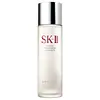
This barrier-repair essence is formulated around Galactomyces Ferment Filtrate to strengthen the skin barrier and hydrate skin.
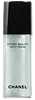
This serum is formulated around Zingiber Officinale Root Extract to calm irritation and support scar healing.


What's inside
What's inside
 Key Ingredients
No key ingredients
Benefits
Concerns
Ingredients Side-by-side


Water
Skin ConditioningGlycerin
Humectant


Propanediol
Solvent
Betaine
Humectant
Butylene Glycol
Humectant
Pentylene Glycol
Skin Conditioning
Sorbitol
Humectant
Coco-Caprylate/Caprate
Emollient
Caprylic/Capric Triglyceride
Masking
Oleyl Erucate
Emollient

Camellia Japonica Flower Water
Skin ConditioningFaex
Skin ConditioningCamellia Japonica Flower Extract
EmollientZingiber Officinale Root Extract
Masking
Camellia Oleifera Seed Oil
Skin Conditioning
Castor Oil/Ipdi Copolymer
Carbomer
Emulsion StabilisingLimnanthes Alba Seed Oil
Skin Conditioning
Parfum
Masking



Chlorphenesin
Antimicrobial
Sodium Hyaluronate
Humectant


Dipropylene Glycol
HumectantSodium Hydroxide
BufferingTriheptanoin
Skin ConditioningTrisodium Ethylenediamine Disuccinate
ChelatingC13-15 Alkane
SolventCaprylyl Glycol
Emollient
1,2-Hexanediol
Skin Conditioning
Tocopherol
Antioxidant



Ricinus Communis Seed Oil
Masking
Helianthus Annuus Seed Oil
Emollient
CI 42090
Cosmetic ColorantWater, Glycerin, Propanediol, Betaine, Butylene Glycol, Pentylene Glycol, Sorbitol, Coco-Caprylate/Caprate, Caprylic/Capric Triglyceride, Oleyl Erucate, Camellia Japonica Flower Water, Faex, Camellia Japonica Flower Extract, Zingiber Officinale Root Extract, Camellia Oleifera Seed Oil, Castor Oil/Ipdi Copolymer, Carbomer, Limnanthes Alba Seed Oil, Parfum, Chlorphenesin, Sodium Hyaluronate, Dipropylene Glycol, Sodium Hydroxide, Triheptanoin, Trisodium Ethylenediamine Disuccinate, C13-15 Alkane, Caprylyl Glycol, 1,2-Hexanediol, Tocopherol, Ricinus Communis Seed Oil, Helianthus Annuus Seed Oil, CI 42090
Reviews
Ingredients Explained
These ingredients are found in both products.
Ingredients higher up in an ingredient list are typically present in a larger amount.
Butylene Glycol (or BG) is used within cosmetic products for a few different reasons:
Overall, Butylene Glycol is a safe and well-rounded ingredient that works well with other ingredients.
Though this ingredient works well with most skin types, some people with sensitive skin may experience a reaction such as allergic rashes, closed comedones, or itchiness.
Learn more about Butylene GlycolPentylene Glycol (1,2-pentanediol) is a multitasking little diol with three main roles in a formula:
Research on alkanediols (the family pentylene glycol belongs to) show they work by disrupting microbial cell membranes. This disruption helps the primary preservative system in a product work more effectively at lower doses.
On the safety side, the Cosmetic Ingredient Review Expert Panel has concluded this ingredient to be safe as used in current cosmetic practices + concentrations.
Typical use levels in a formula run about 1-5%.
Learn more about Pentylene GlycolWater. It's the most common cosmetic ingredient of all. You'll usually see it at the top of ingredient lists, meaning that it makes up the largest part of the product.
So why is it so popular? Water most often acts as a solvent - this means that it helps dissolve other ingredients into the formulation.
You'll also recognize water as that liquid we all need to stay alive. If you see this, drink a glass of water. Remember to stay hydrated!
Learn more about Water

