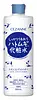
This hydrating toner is formulated around Sodium Hyaluronate to hydrate skin and calm redness.
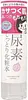
This hydrating toner is formulated around Urea and Ceramide Ng to hydrate skin and strengthen the skin barrier.

What's inside
What's inside
 Key Ingredients
Benefits
Concerns
Ingredients Side-by-side
Water
Skin ConditioningButylene Glycol
Humectant

Dipropylene Glycol
HumectantCoix Lacryma-Jobi Ma-Yuen Seed Extract
Skin ConditioningSorbitol
Humectant
Betaine
Humectant
Sodium Hyaluronate
Humectant


Sodium Acetylated Hyaluronate
Humectant
Hydrolyzed Hyaluronic Acid
Humectant
Succinoyl Atelocollagen
Skin Conditioning
Glycine Soja Extract
Skin ConditioningGlutamic Acid
Humectant
Polyglutamic Acid
Skin Conditioning
Rosa Multiflora Fruit Extract
MaskingCitrus Limon Fruit Extract
Masking
Cynara Scolymus Leaf Extract
Skin ConditioningVitis Vinifera Leaf Extract
Skin ConditioningClematis Vitalba Leaf Extract
Skin ConditioningRosmarinus Officinalis Leaf Extract
AntimicrobialSalvia Officinalis Leaf Extract
CleansingHedera Helix Leaf/Stem Extract
AntimicrobialNasturtium Officinale Leaf/Stem Extract
Skin ConditioningHypericum Perforatum Flower/Leaf/Stem Extract
Skin ConditioningHumulus Lupulus Extract
AntimicrobialArnica Montana Flower Extract
Masking
Malva Sylvestris Extract
AstringentChamomilla Recutita Flower Extract
Masking
Anthemis Nobilis Flower Extract
Masking
Lamium Album Flower Extract
AstringentCalendula Officinalis Flower Extract
Masking
Spiraea Ulmaria Flower Extract
Skin ConditioningPinus Sylvestris Cone Extract
Masking
Morus Alba Root Extract
BleachingPaeonia Albiflora Root Extract
Skin ConditioningAngelica Acutiloba Root Extract
Skin ConditioningArctium Lappa Root Extract
Skin Conditioning
Allium Sativum Bulb Extract
Skin ConditioningSophora Angustifolia Root Extract
Skin ConditioningHydrangea Serrata Leaf Extract
Skin ConditioningEquisetum Arvense Extract
AstringentFucus Vesiculosus Extract
Emollient
Tilia Cordata Extract
RefreshingAchillea Millefolium Extract
CleansingSodium PCA
Humectant
Serine
Masking
Lysine
Skin ConditioningGlycine
Buffering
Alanine
Masking
Arginine
Masking
Threonine
Proline
Skin Conditioning
Citric Acid
Buffering


Sodium Citrate
BufferingDisodium EDTA
ChelatingXanthan Gum
EmulsifyingStyrene/Vp Copolymer
Methylparaben
Preservative



Propylparaben
Preservative
Water, Butylene Glycol, Dipropylene Glycol, Coix Lacryma-Jobi Ma-Yuen Seed Extract, Sorbitol, Betaine, Sodium Hyaluronate, Sodium Acetylated Hyaluronate, Hydrolyzed Hyaluronic Acid, Succinoyl Atelocollagen, Glycine Soja Extract, Glutamic Acid, Polyglutamic Acid, Rosa Multiflora Fruit Extract, Citrus Limon Fruit Extract, Cynara Scolymus Leaf Extract, Vitis Vinifera Leaf Extract, Clematis Vitalba Leaf Extract, Rosmarinus Officinalis Leaf Extract, Salvia Officinalis Leaf Extract, Hedera Helix Leaf/Stem Extract, Nasturtium Officinale Leaf/Stem Extract, Hypericum Perforatum Flower/Leaf/Stem Extract, Humulus Lupulus Extract, Arnica Montana Flower Extract, Malva Sylvestris Extract, Chamomilla Recutita Flower Extract, Anthemis Nobilis Flower Extract, Lamium Album Flower Extract, Calendula Officinalis Flower Extract, Spiraea Ulmaria Flower Extract, Pinus Sylvestris Cone Extract, Morus Alba Root Extract, Paeonia Albiflora Root Extract, Angelica Acutiloba Root Extract, Arctium Lappa Root Extract, Allium Sativum Bulb Extract, Sophora Angustifolia Root Extract, Hydrangea Serrata Leaf Extract, Equisetum Arvense Extract, Fucus Vesiculosus Extract, Tilia Cordata Extract, Achillea Millefolium Extract, Sodium PCA, Serine, Lysine, Glycine, Alanine, Arginine, Threonine, Proline, Citric Acid, Sodium Citrate, Disodium EDTA, Xanthan Gum, Styrene/Vp Copolymer, Methylparaben, Propylparaben
Water
Skin ConditioningGlycerin
Humectant
Dipropylene Glycol
HumectantPentylene Glycol
Skin Conditioning
Urea
Buffering

Ceramide Ng
Skin Conditioning
Sodium Hyaluronate
Humectant
Sodium Acetylated Hyaluronate
Humectant
Hydrolyzed Hyaluronic Acid
Humectant
Hydroxyethyl Urea
Humectant
Cirsium Flower/Leaf/Stem Extract
Skin ConditioningAnthemis Nobilis Flower Extract
Masking
Erica Cinerea Flower Extract
Skin ConditioningCalendula Officinalis Flower Extract
Masking
Centaurea Cyanus Flower Extract
Astringent
Pyrus Malus Fruit Extract
Skin Conditioning
Prunus Persica Leaf Extract
Emollient
Pimpinella Anisum Fruit Water
Skin ConditioningDipotassium Glycyrrhizate
Humectant
Sodium Citrate
BufferingLactic Acid
Buffering


Butylene Glycol
Humectant
PPG-4-Ceteth-20
EmulsifyingAlcohol Denat.
Antimicrobial

Phenoxyethanol
Preservative
Water, Glycerin, Dipropylene Glycol, Pentylene Glycol, Urea, Ceramide Ng, Sodium Hyaluronate, Sodium Acetylated Hyaluronate, Hydrolyzed Hyaluronic Acid, Hydroxyethyl Urea, Cirsium Flower/Leaf/Stem Extract, Anthemis Nobilis Flower Extract, Erica Cinerea Flower Extract, Calendula Officinalis Flower Extract, Centaurea Cyanus Flower Extract, Pyrus Malus Fruit Extract, Prunus Persica Leaf Extract, Pimpinella Anisum Fruit Water, Dipotassium Glycyrrhizate, Sodium Citrate, Lactic Acid, Butylene Glycol, PPG-4-Ceteth-20, Alcohol Denat., Phenoxyethanol
Ingredients Explained
These ingredients are found in both products.
Ingredients higher up in an ingredient list are typically present in a larger amount.
Anthemis Nobilis Flower Extract is from the Roman Chamomile flower. It helps soothe the skin and contains antioxidants.
Butylene Glycol (or BG) is used within cosmetic products for a few different reasons:
Overall, Butylene Glycol is a safe and well-rounded ingredient that works well with other ingredients.
Though this ingredient works well with most skin types, some people with sensitive skin may experience a reaction such as allergic rashes, closed comedones, or itchiness.
Learn more about Butylene GlycolCalendula Officinalis Flower Extract comes from the marigold flower and has been used on skin for centuries for its calming effect.
In the lab, its active compounds appear to calm inflammation and support the early "healing" phase of minor wounds.
This is why Europe's medicines regulator has approved calendula extracts as a traditional remedy for minor skin inflammation and healing small wounds.
The stronger human evidence is around would/ulcer care rather than everyday cosmetic claims; a review that pulled together 14 studies found that calendula helped calm the early, inflamed stage of a wound and helped new skin tissue form faster.
Two studies also showed it shrank leg ulcers (the kind caused by poor circulation). Results were mixed for burns and for the skin irritation people get from radiation treatment, so it's not a sure thing there.
In cosmetics, it's mostly a skin conditioning and soothing agent.
The Cosmetic Ingredient Review panel concluded that calendula-derived ingredients are safe as used and that the ingredients are not irritating, sensitizing, or photosensitizing in clinical tests (though they may be mild eye irritants).
Typical use levels are quite low; industry data reported it used at under 0.5% (one supplier noted a 10-25% extract blend used at 1-10% in the finished product). Historical use goes up to 10%.
The only thing to keep in mind is if you have daisy/ragweed allergies. Calendula is in the same family and one patch-test study found 2% of dermatitis patients reacted to marigold. Be sure to patch test if you have sensitive or allergy-prone skin.
Learn more about Calendula Officinalis Flower ExtractDipropylene Glycol is a synthetically created humectant, stabilizer, and solvent.
This ingredient helps:
Dipropylene glycol is technically an alcohol, but it belongs to the glycol family (often considered part of the ‘good’ alcohols). This means it is hydrating and gentle on skin unlike drying solvent alcohols like denatured alcohol.
As a masking agent, Dipropylene Glycol can be used to cover the smell of other ingredients. However, it does not have a scent.
Studies show Dipropylene Glycol is considered safe to use in skincare.
Learn more about Dipropylene GlycolHydrolyzed Hyaluronic Acid is hyaluronic acid (HA) that is broken down into lower molecular weight fragments.
It's a humectant that pulls and holds water in the skin to help with hydration, plumpness, and reduce transepidermal water loss.
Because hydrolyzed hyaluronic acid is smaller in size, it can slip past your outermost layer of skin more easily than full-sized HA.
Most formulations will combine all sizes to get the best of both worlds.
Typical usage levels range from 0.01-1%. Any percentage higher than 2% might become goopy and tacky.
Learn more about Hydrolyzed Hyaluronic AcidSodium Acetylated Hyaluronate is a type of Hyaluronic Acid.
Hyaluronic Acids help moisturize, soothe, and protect the skin.
Read about common types of Hyaluronic Acid here:
Learn more about Sodium Acetylated HyaluronateSodium Citrate is the sodium salts of citric acid. In skincare, it is used to alter pH levels and acts as a preservative.
Its main functions are to maintain the pH of a product and neutralize metal ions.
The acidity of our skin is maintained by our glands and skin biome; normal pH level of skin is slightly acidic (~4.75-5.5).
Being slightly acidic allows our skin to create an "acid mantle". This acid mantle is a thin barrier that protects our skin from bacteria and contaminants.
Learn more about Sodium CitrateSodium Hyaluronate is the salt form of hyaluronic acid. It is a long sugar chain that is naturally found in your skin, joints, and connective tissue that maintains hydration and elasticity.
In skincare, it works as a humectant. It pulls water from the environment and deeper layers of skin and binds it to the surface.
Interestingly, the size of the molecule affects its behavior:
Some clinical evidence links low molecular weight versions to improved wrinkle depth, elasticity, anti-inflammatory effects, and barrier repair.
Many serums use a blend of both weights so you can get surface hydration plus longer-lasting and deeper effects.
You'll typically see concentrations between 0.1-2% for this ingredient.
Learn more about Sodium HyaluronateWater. It's the most common cosmetic ingredient of all. You'll usually see it at the top of ingredient lists, meaning that it makes up the largest part of the product.
So why is it so popular? Water most often acts as a solvent - this means that it helps dissolve other ingredients into the formulation.
You'll also recognize water as that liquid we all need to stay alive. If you see this, drink a glass of water. Remember to stay hydrated!
Learn more about Water

