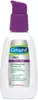
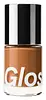
Cetaphil Pro Oil Absorbing Moisturizer With Spf 30 Broad Spectrum Versus Glossier Stretch Fluid Foundation
This oil-control moisturizer is formulated around Polymethyl Methacrylate and Aluminum Starch Octenylsuccinate to balance excess oil.

What's inside
What's inside
 Key Ingredients
Benefits
Concerns
Ingredients Side-by-side
Butyl Methoxydibenzoylmethane 3%
UV Absorber
Ethylhexyl Salicylate 5%
UV Absorber
Octocrylene 7%
UV Absorber

Water
Skin ConditioningIsopropyl Lauroyl Sarcosinate
Skin ConditioningGlycerin
Humectant


Dimethicone
Emollient
Diisopropyl Sebacate
EmollientSilica
Abrasive


Polymethyl Methacrylate
Aluminum Starch Octenylsuccinate
Absorbent
Sucrose Tristearate
Emollient

Dimethiconol
Emollient
Pentylene Glycol
Skin Conditioning
Polysorbate 61
Emulsifying
Sodium Stearoyl Glutamate
CleansingPhenoxyethanol
Preservative
Caprylyl Glycol
Emollient
Tocopheryl Acetate
Antioxidant


Glycyrrhetinic Acid
Skin Conditioning
Panthenol
Skin Conditioning
Triethanolamine
BufferingAllantoin
Skin Conditioning
Carbomer
Emulsion StabilisingPotassium Sorbate
Preservative
Zinc Gluconate
Skin Conditioning

Xanthan Gum
EmulsifyingDisodium EDTA
ChelatingHydroxypalmitoyl Sphinganine
Skin Conditioning
Butyl Methoxydibenzoylmethane 3%, Ethylhexyl Salicylate 5%, Octocrylene 7%, Water, Isopropyl Lauroyl Sarcosinate, Glycerin, Dimethicone, Diisopropyl Sebacate, Silica, Polymethyl Methacrylate, Aluminum Starch Octenylsuccinate, Sucrose Tristearate, Dimethiconol, Pentylene Glycol, Polysorbate 61, Sodium Stearoyl Glutamate, Phenoxyethanol, Caprylyl Glycol, Tocopheryl Acetate, Glycyrrhetinic Acid, Panthenol, Triethanolamine, Allantoin, Carbomer, Potassium Sorbate, Zinc Gluconate, Xanthan Gum, Disodium EDTA, Hydroxypalmitoyl Sphinganine
Water
Skin ConditioningC9-12 Alkane
SolventSqualane
Emollient
Coco-Caprylate/Caprate
Emollient
Propanediol
Solvent
Glycerin
Humectant
Pentylene Glycol
Skin Conditioning
Sorbitan Isostearate
Emulsifying
Polyglyceryl-3 Polyricinoleate
Emulsifying
Tribehenin
Emollient
Ethyl Oleate
Emollient

Butylene Glycol
Humectant
Disteardimonium Hectorite
StabilisingEctoin
Skin Conditioning
Silica
Abrasive
Rosa Canina Fruit Extract
Astringent
Plankton Extract
Skin ConditioningButyrospermum Parkii Butter Unsaponifiables
Skin Conditioning
Tocopherol
Antioxidant
Ethyl Stearate
Emollient
Ethyl Linoleate
Emollient
Ethyl Palmitate
Emollient
Ethylhexyl Polyhydroxystearate
EmollientLecithin
Emollient
Xanthan Gum
EmulsifyingSucrose
Humectant
Lysine
Skin ConditioningGlyceryl Caprylate/Caprate
EmollientSodium Lauroyl Glutamate
SurfactantMagnesium Chloride
Aluminum Hydroxide
EmollientCI 77891
Cosmetic ColorantIron Oxides
Water, C9-12 Alkane, Squalane, Coco-Caprylate/Caprate, Propanediol, Glycerin, Pentylene Glycol, Sorbitan Isostearate, Polyglyceryl-3 Polyricinoleate, Tribehenin, Ethyl Oleate, Butylene Glycol, Disteardimonium Hectorite, Ectoin, Silica, Rosa Canina Fruit Extract, Plankton Extract, Butyrospermum Parkii Butter Unsaponifiables, Tocopherol, Ethyl Stearate, Ethyl Linoleate, Ethyl Palmitate, Ethylhexyl Polyhydroxystearate, Lecithin, Xanthan Gum, Sucrose, Lysine, Glyceryl Caprylate/Caprate, Sodium Lauroyl Glutamate, Magnesium Chloride, Aluminum Hydroxide, CI 77891, Iron Oxides
Reviews
Ingredients Explained
These ingredients are found in both products.
Ingredients higher up in an ingredient list are typically present in a larger amount.
Glycerin (or glycerol) is a compound naturally found in your skin. It's a powerhouse humectant that pulls water into the stratum corneum.
Topically, glycerin does several things at once:
Your skin makes glycerin on its own (mostly from sebaceous oil breakdown) and shuttles it to your outermost layer of skin, or your epidermis, via aquaporin-3.
Aquaporin-3 is a transporter that is essential for normal skin hydration, elasticity, and repair. Interestingly, mice lacking in AQP3 have dry and less elastic skin that can be fully corrected with glycerin.
This ingredient is non-irritating, plays well with almost every ingredient, and works across all skin types. Typical use is anywhere between 3-10% but can go up to 79% in some leave-on products.
Just know very high concentrations (>40%) can feel tacky in low humidity.
Glycerin is the name for this ingredient in American English. British English uses Glycerol/Glycerine.
Learn more about GlycerinPentylene Glycol (1,2-pentanediol) is a multitasking little diol with three main roles in a formula:
Research on alkanediols (the family pentylene glycol belongs to) show they work by disrupting microbial cell membranes. This disruption helps the primary preservative system in a product work more effectively at lower doses.
On the safety side, the Cosmetic Ingredient Review Expert Panel has concluded this ingredient to be safe as used in current cosmetic practices + concentrations.
Typical use levels in a formula run about 1-5%.
Learn more about Pentylene GlycolSilica, also known as silicon dioxide, is a naturally occurring mineral. It is used as a fine, spherical, and porous powder in cosmetics.
Though it has exfoliant properties, the function of silica varies depending on the product.
The unique structure of silica enhances the spreadability and adds smoothness, making it a great texture enhancer.
It is also used as an active carrier, emulsifier, and mattifier due to its ability to absorb excess oil.
In some products, tiny microneedles called spicules are made from silica or hydrolyzed sponge. When you rub them in, they lightly polish away dead skin layers and enhance the penetration of active ingredients.
Learn more about SilicaWater. It's the most common cosmetic ingredient of all. You'll usually see it at the top of ingredient lists, meaning that it makes up the largest part of the product.
So why is it so popular? Water most often acts as a solvent - this means that it helps dissolve other ingredients into the formulation.
You'll also recognize water as that liquid we all need to stay alive. If you see this, drink a glass of water. Remember to stay hydrated!
Learn more about WaterXanthan gum is used as a stabilizer and thickener within cosmetic products. It helps give products a sticky, thick feeling - preventing them from being too runny.
On the technical side of things, xanthan gum is a polysaccharide - a combination consisting of multiple sugar molecules bonded together.
Xanthan gum is a pretty common and great ingredient. It is a natural, non-toxic, non-irritating ingredient that is also commonly used in food products.
Learn more about Xanthan Gum

