Bioderma Photoderm AKN Mat SPF 30 Versus Cetaphil Pro Oil Absorbing Moisturizer With Spf 30 Broad Spectrum
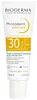
This chemical sunscreen covers the full UV range and blocks ~97% of UVB at SPF 30.
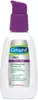
This oil-control moisturizer is formulated around Polymethyl Methacrylate and Aluminum Starch Octenylsuccinate to balance excess oil.


What's inside
What's inside
 Key Ingredients
Benefits
Concerns
Ingredients Side-by-side
Water
Skin ConditioningC12-15 Alkyl Benzoate
AntimicrobialMethylene Bis-Benzotriazolyl Tetramethylbutylphenol
UV Filter
Corn Starch Modified
AbsorbentDiethylamino Hydroxybenzoyl Hexyl Benzoate
UV Filter
Ethylhexyl Triazone
UV Absorber
Potassium Cetyl Phosphate
EmulsifyingBrassica Campestris/Aleurites Fordi Oil Copolymer
Skin Conditioning
Hydroxyethyl Acrylate/Sodium Acryloyldimethyl Taurate Copolymer
Emulsion Stabilising1,2-Hexanediol
Skin Conditioning
Bis-Ethylhexyloxyphenol Methoxyphenyl Triazine
UV Absorber
Silica
Abrasive


Decyl Glucoside
Cleansing
Glycolic Acid
Buffering








Boron Nitride
Absorbent
Salicylic Acid
Masking



Tocopheryl Acetate
Antioxidant

Propylene Glycol
Humectant
Xanthan Gum
EmulsifyingSodium Hydroxide
BufferingPolysorbate 60
Emulsifying
Sorbitan Isostearate
Emulsifying
Ectoin
Skin Conditioning



Mannitol
Humectant
Xylitol
Humectant
Rhamnose
HumectantGinkgo Biloba Leaf Extract
Skin Conditioning
Fructooligosaccharides
Humectant
Propyl Gallate
Antioxidant

Caprylic/Capric Triglyceride
Masking
Tocopherol
Antioxidant
Laminaria Ochroleuca Extract
Skin Conditioning
Parfum
Masking
Water, C12-15 Alkyl Benzoate, Methylene Bis-Benzotriazolyl Tetramethylbutylphenol, Corn Starch Modified, Diethylamino Hydroxybenzoyl Hexyl Benzoate, Ethylhexyl Triazone, Potassium Cetyl Phosphate, Brassica Campestris/Aleurites Fordi Oil Copolymer, Hydroxyethyl Acrylate/Sodium Acryloyldimethyl Taurate Copolymer, 1,2-Hexanediol, Bis-Ethylhexyloxyphenol Methoxyphenyl Triazine, Silica, Decyl Glucoside, Glycolic Acid, Boron Nitride, Salicylic Acid, Tocopheryl Acetate, Propylene Glycol, Xanthan Gum, Sodium Hydroxide, Polysorbate 60, Sorbitan Isostearate, Ectoin, Mannitol, Xylitol, Rhamnose, Ginkgo Biloba Leaf Extract, Fructooligosaccharides, Propyl Gallate, Caprylic/Capric Triglyceride, Tocopherol, Laminaria Ochroleuca Extract, Parfum
Butyl Methoxydibenzoylmethane 3%
UV Absorber
Ethylhexyl Salicylate 5%
UV Absorber
Octocrylene 7%
UV Absorber
Water
Skin ConditioningIsopropyl Lauroyl Sarcosinate
Skin ConditioningGlycerin
Humectant
Dimethicone
Emollient
Diisopropyl Sebacate
EmollientSilica
Abrasive
Polymethyl Methacrylate
Aluminum Starch Octenylsuccinate
Absorbent
Sucrose Tristearate
Emollient
Dimethiconol
Emollient
Pentylene Glycol
Skin Conditioning
Polysorbate 61
Emulsifying
Sodium Stearoyl Glutamate
CleansingPhenoxyethanol
Preservative
Caprylyl Glycol
Emollient
Tocopheryl Acetate
Antioxidant
Glycyrrhetinic Acid
Skin Conditioning
Panthenol
Skin Conditioning
Triethanolamine
BufferingAllantoin
Skin Conditioning
Carbomer
Emulsion StabilisingPotassium Sorbate
Preservative
Zinc Gluconate
Skin Conditioning
Xanthan Gum
EmulsifyingDisodium EDTA
Hydroxypalmitoyl Sphinganine
Skin Conditioning
Butyl Methoxydibenzoylmethane 3%, Ethylhexyl Salicylate 5%, Octocrylene 7%, Water, Isopropyl Lauroyl Sarcosinate, Glycerin, Dimethicone, Diisopropyl Sebacate, Silica, Polymethyl Methacrylate, Aluminum Starch Octenylsuccinate, Sucrose Tristearate, Dimethiconol, Pentylene Glycol, Polysorbate 61, Sodium Stearoyl Glutamate, Phenoxyethanol, Caprylyl Glycol, Tocopheryl Acetate, Glycyrrhetinic Acid, Panthenol, Triethanolamine, Allantoin, Carbomer, Potassium Sorbate, Zinc Gluconate, Xanthan Gum, Disodium EDTA, Hydroxypalmitoyl Sphinganine
Reviews
Ingredients Explained
These ingredients are found in both products.
Ingredients higher up in an ingredient list are typically present in a larger amount.
Silica, also known as silicon dioxide, is a naturally occurring mineral. It is used as a fine, spherical, and porous powder in cosmetics.
Though it has exfoliant properties, the function of silica varies depending on the product.
The unique structure of silica enhances the spreadability and adds smoothness, making it a great texture enhancer.
It is also used as an active carrier, emulsifier, and mattifier due to its ability to absorb excess oil.
In some products, tiny microneedles called spicules are made from silica or hydrolyzed sponge. When you rub them in, they lightly polish away dead skin layers and enhance the penetration of active ingredients.
Learn more about SilicaTocopheryl Acetate is a stable, shelf-friendly form of vitamin E.
Formulators love it because plain vitamin E oxidizes quickly once it hits air. This acetate version stays stable and resists going off, helping to extend a product's shelf life.
It's actually inactive on its own and works like a slow-release "storage" form; the enzymes in your skin called esterases gradually convert it into active vitamin E over time.
One in vivo study showed 5% of the acetate in the living layer of the epidermis converted to vitamin E after 5 days of application. This study also found the skin gained protection against UV damage even though the conversion was slow and small.
Once converted, vitamin E acts as a skin's main fat-soluble antioxidant that fights free radicals to protect skin from damage.
Topical vitamin E generally boosts the skin's photoprotection, and it reduced UV-damage in animal models.
This ingredient has some brightening potential but it's more of a prevention ingredient than spot-fader. Cell studies show it can slow down melanin production but it's worth noting that it's not the most powerful brightener out there.
Overall, it has a pretty solid safety profile and has been found to be non-irritating and non-comedogenic. Allergic reactions may happen but stay rare due to how widely the ingredient gets used.
The concentration will vary depending on the formula; industry data shows 0.1% in baby lotions, 3% in lipsticks, and 5% in foot powders. You can also find this ingredient at 100% in a pure vitamin E oil.
Most leave-on skincare keeps it at the lower end, often between 0.5-1%.
Learn more about Tocopheryl AcetateWater. It's the most common cosmetic ingredient of all. You'll usually see it at the top of ingredient lists, meaning that it makes up the largest part of the product.
So why is it so popular? Water most often acts as a solvent - this means that it helps dissolve other ingredients into the formulation.
You'll also recognize water as that liquid we all need to stay alive. If you see this, drink a glass of water. Remember to stay hydrated!
Learn more about WaterXanthan gum is used as a stabilizer and thickener within cosmetic products. It helps give products a sticky, thick feeling - preventing them from being too runny.
On the technical side of things, xanthan gum is a polysaccharide - a combination consisting of multiple sugar molecules bonded together.
Xanthan gum is a pretty common and great ingredient. It is a natural, non-toxic, non-irritating ingredient that is also commonly used in food products.
Learn more about Xanthan Gum

