
What's inside
What's inside
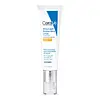 Key Ingredients
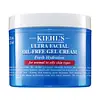
Benefits
Concerns
Ingredients Side-by-side
Butyl Methoxydibenzoylmethane 3%
UV Absorber


Homosalate 10%
Skin Conditioning
Ethylhexyl Salicylate 5%
UV Absorber
Octocrylene 2.7%
UV Absorber
Water
Skin ConditioningC12-15 Alkyl Benzoate
AntimicrobialGlyceryl Stearate Se
Emulsifying

Methyl Methacrylate Crosspolymer
Glycerin
Humectant



Pentylene Glycol
Skin ConditioningCeramide NP
Skin Conditioning


Ceramide AP
Skin Conditioning
Ceramide EOP
Skin Conditioning
Carbomer
Emulsion StabilisingSodium Acryloyldimethyltaurate/Vp Crosspolymer
Emulsion StabilisingSodium Lauroyl Lactylate
EmulsifyingSodium Hyaluronate
Humectant
Cholesterol
Emollient
Phenoxyethanol
Preservative
Disodium EDTA
Hydroxyacetophenone
Antioxidant
Citric Acid
Buffering



Phytosphingosine
Skin Conditioning
Xanthan Gum
EmulsifyingT-Butyl Alcohol
Perfuming


Ethylhexylglycerin
Skin ConditioningButyl Methoxydibenzoylmethane 3%, Homosalate 10%, Ethylhexyl Salicylate 5%, Octocrylene 2.7%, Water, C12-15 Alkyl Benzoate, Glyceryl Stearate Se, Methyl Methacrylate Crosspolymer, Glycerin, Pentylene Glycol, Ceramide NP, Ceramide AP, Ceramide EOP, Carbomer, Sodium Acryloyldimethyltaurate/Vp Crosspolymer, Sodium Lauroyl Lactylate, Sodium Hyaluronate, Cholesterol, Phenoxyethanol, Disodium EDTA, Hydroxyacetophenone, Citric Acid, Phytosphingosine, Xanthan Gum, T-Butyl Alcohol, Ethylhexylglycerin
Water
Skin ConditioningGlycerin
Humectant
Propanediol
Solvent
Dimethicone
Emollient
Isononyl Isononanoate
EmollientHydroxyethylpiperazine Ethane Sulfonic Acid
BufferingPhenoxyethanol
Preservative
Carbomer
Emulsion StabilisingButylene Glycol
Humectant
Chlorphenesin
Antimicrobial
Caprylyl Glycol
Emollient
Dimethiconol
Emollient
Sodium Hydroxide
BufferingXanthan Gum
EmulsifyingPentylene Glycol
Skin ConditioningTetrasodium EDTA
Tocopheryl Acetate
Antioxidant
Menthoxypropanediol
Masking
Pseudoalteromonas Ferment Extract
Humectant
Biosaccharide Gum-1
Humectant
Sarcosine
Skin ConditioningSalicylic Acid
Masking

Water, Glycerin, Propanediol, Dimethicone, Isononyl Isononanoate, Hydroxyethylpiperazine Ethane Sulfonic Acid, Phenoxyethanol, Carbomer, Butylene Glycol, Chlorphenesin, Caprylyl Glycol, Dimethiconol, Sodium Hydroxide, Xanthan Gum, Pentylene Glycol, Tetrasodium EDTA, Tocopheryl Acetate, Menthoxypropanediol, Pseudoalteromonas Ferment Extract, Biosaccharide Gum-1, Sarcosine, Salicylic Acid
Reviews
Ingredients Explained
These ingredients are found in both products.
Ingredients higher up in an ingredient list are typically present in a larger amount.
Carbomer is a polymer of acrylic acid. Its main role is to create a gel consistency.
A high amount of carbomer can cause pilling or balling up of products. Don't worry, most products contain 1% or less of carbomer.
Glycerin is already naturally found in your skin. It helps moisturize and protect your skin.
A study from 2016 found glycerin to be more effective as a humectant than AHAs and hyaluronic acid.
As a humectant, it helps the skin stay hydrated by pulling moisture to your skin. The low molecular weight of glycerin allows it to pull moisture into the deeper layers of your skin.
Hydrated skin improves your skin barrier; Your skin barrier helps protect against irritants and bacteria.
Glycerin has also been found to have antimicrobial and antiviral properties. Due to these properties, glycerin is often used in wound and burn treatments.
In cosmetics, glycerin is usually derived from plants such as soybean or palm. However, it can also be sourced from animals, such as tallow or animal fat.
This ingredient is organic, colorless, odorless, and non-toxic.
Glycerin is the name for this ingredient in American English. British English uses Glycerol/Glycerine.
Learn more about GlycerinPentylene glycol is typically used within a product to thicken it. It also adds a smooth, soft, and moisturizing feel to the product. It is naturally found in plants such as sugar beets.
The hydrophilic trait of Pentylene Glycol makes it a humectant. As a humectant, Pentylene Glycol helps draw moisture from the air to your skin. This can help keep your skin hydrated.
This property also makes Pentylene Glycol a great texture enhancer. It can also help thicken or stabilize a product.
Pentylene Glycol also acts as a mild preservative and helps to keep a product microbe-free.
Some people may experience mild eye and skin irritation from Pentylene Glycol. We always recommend speaking with a professional about using this ingredient in your routine.
Pentylene Glycol has a low molecular weight and is part of the 1,2-glycol family.
Learn more about Pentylene GlycolPhenoxyethanol is a preservative that has germicide, antimicrobial, and aromatic properties. Studies show that phenoxyethanol can prevent microbial growth. By itself, it has a scent that is similar to that of a rose.
It's often used in formulations along with Caprylyl Glycol to preserve the shelf life of products.
Water. It's the most common cosmetic ingredient of all. You'll usually see it at the top of ingredient lists, meaning that it makes up the largest part of the product.
So why is it so popular? Water most often acts as a solvent - this means that it helps dissolve other ingredients into the formulation.
You'll also recognize water as that liquid we all need to stay alive. If you see this, drink a glass of water. Stay hydrated!
Learn more about WaterXanthan gum is used as a stabilizer and thickener within cosmetic products. It helps give products a sticky, thick feeling - preventing them from being too runny.
On the technical side of things, xanthan gum is a polysaccharide - a combination consisting of multiple sugar molecules bonded together.
Xanthan gum is a pretty common and great ingredient. It is a natural, non-toxic, non-irritating ingredient that is also commonly used in food products.
Learn more about Xanthan Gum
