
What's inside
What's inside
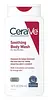 Key Ingredients
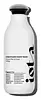
Benefits
Concerns
Ingredients Side-by-side
Glycine Soja Oil
Emollient








Ricinus Communis Seed Oil
Masking
Laureth-4
Emulsifying
Silica Dimethyl Silylate
EmollientLaureth-7 Citrate
CleansingWater
Skin ConditioningUrea
Buffering


Ceramide NP
Skin Conditioning


Ceramide AP
Skin Conditioning
Ceramide EOP
Skin Conditioning
Carbomer
Emulsion StabilisingSodium PCA
Humectant
Sodium Lauroyl Lactylate
EmulsifyingSodium Hyaluronate
Humectant
Cholesterol
Emollient
Phenoxyethanol
Preservative
Tocopheryl Acetate
Antioxidant


Tocopherol
Antioxidant
Citric Acid
Buffering
Hydrogenated Palm Glycerides Citrate
Emollient
Hydrogenated Castor Oil
Emollient
Phytosphingosine
Skin Conditioning
Xanthan Gum
EmulsifyingEthylhexylglycerin
Skin ConditioningGlycine Soja Oil, Ricinus Communis Seed Oil, Laureth-4, Silica Dimethyl Silylate, Laureth-7 Citrate, Water, Urea, Ceramide NP, Ceramide AP, Ceramide EOP, Carbomer, Sodium PCA, Sodium Lauroyl Lactylate, Sodium Hyaluronate, Cholesterol, Phenoxyethanol, Tocopheryl Acetate, Tocopherol, Citric Acid, Hydrogenated Palm Glycerides Citrate, Hydrogenated Castor Oil, Phytosphingosine, Xanthan Gum, Ethylhexylglycerin
Water
Skin ConditioningSodium C14-16 Olefin Sulfonate
Cleansing
Cocamidopropyl Hydroxysultaine
Cleansing
Acrylates Copolymer
Aloe Barbadensis Leaf Juice
Skin Conditioning
Hydroxyacetophenone
Antioxidant
Propanediol
Solvent
Leuconostoc/Radish Root Ferment Filtrate
Antimicrobial
Ganoderma Lucidum Extract
Skin Protecting
Ziziphus Jujuba Fruit Extract
Skin ConditioningBrassica Campestris Seed Oil
Skin Conditioning
Linum Usitatissimum Seed Oil
Perfuming
Emblica Officinalis Fruit Extract
Skin ConditioningSesamum Indicum Seed Oil
Emollient
Polyquaternium-10
Bupleurum Falcatum Root Extract
Skin ConditioningPassiflora Incarnata Extract
AstringentNelumbo Nucifera Seed Extract
Antimicrobial
Angelica Polymorpha Sinensis Root Extract
Skin ConditioningGlycyrrhiza Glabra Root Extract
Bleaching
Chamomilla Recutita Flower Extract
Masking
Cichorium Intybus Root Extract
MaskingSodium Benzoate
Masking
Sodium Hydroxide
BufferingTocopherol
Antioxidant
Potassium Sorbate
Preservative
Lactobacillus Ferment Lysate
Skin Conditioning
Pentylene Glycol
Skin Conditioning
Ethylhexylglycerin
Skin ConditioningCitric Acid
Buffering
Water, Sodium C14-16 Olefin Sulfonate, Cocamidopropyl Hydroxysultaine, Acrylates Copolymer, Aloe Barbadensis Leaf Juice, Hydroxyacetophenone, Propanediol, Leuconostoc/Radish Root Ferment Filtrate, Ganoderma Lucidum Extract, Ziziphus Jujuba Fruit Extract, Brassica Campestris Seed Oil, Linum Usitatissimum Seed Oil, Emblica Officinalis Fruit Extract, Sesamum Indicum Seed Oil, Polyquaternium-10, Bupleurum Falcatum Root Extract, Passiflora Incarnata Extract, Nelumbo Nucifera Seed Extract, Angelica Polymorpha Sinensis Root Extract, Glycyrrhiza Glabra Root Extract, Chamomilla Recutita Flower Extract, Cichorium Intybus Root Extract, Sodium Benzoate, Sodium Hydroxide, Tocopherol, Potassium Sorbate, Lactobacillus Ferment Lysate, Pentylene Glycol, Ethylhexylglycerin, Citric Acid
Ingredients Explained
These ingredients are found in both products.
Ingredients higher up in an ingredient list are typically present in a larger amount.
Citric Acid is an alpha hydroxy acid (AHA) naturally found in citrus fruits like oranges, lemons, and limes.
Like other AHAs, citric acid can exfoliate skin by breaking down the bonds that hold dead skin cells together. This helps reveal smoother and brighter skin underneath.
However, this exfoliating effect only happens at high concentrations (20%) which can be hard to find in cosmetic products.
Due to this, citric acid is usually included in small amounts as a pH adjuster. This helps keep products slightly more acidic and compatible with skin's natural pH.
In skincare formulas, citric acid can:
While it can provide some skin benefits, research shows lactic acid and glycolic acid are generally more effective and less irritating exfoliants.
Most citric acid used in skincare today is made by fermenting sugars (usually from molasses). This synthetic version is identical to the natural citrus form but easier to stabilize and use in formulations.
Rosacea skin has a lower threshold for acids generally, with 62.5% of rosacea subjects in one study reacting to lactic acid in a sting test. This is why we mark citric acid as a potential rosacea trigger.
However, this ingredient shows up as a pH adjuster or chelator at roughly 0.1-1% in many products. These low levels are unlikely to be an issue for rosacea skin and becomes a potential trigger at exfoliating concentrations (20%). Because everybody's skin is unique, we recommend a patch test if you are unsure.
Learn more about Citric AcidEthylhexylglycerin is created from glycerin. It is a multitasker ingredient that:
The CIR Expert Panel found minimal skin absorption or sensitization of any kind in a safety assessment. Though this ingredient is considered well-tolerated, a small number of cases of allergic dermatitis have been published since 2002. Just be sure to patch test if you are unsure.
Industry-reported use ranges from 8% in rinse-off products and 2% in leave-on formulations.
Learn more about EthylhexylglycerinTocopherol is a fat-soluble antioxidant known as Vitamin E.
You'll find this ingredient in the vast majority of skincare (for good reason). It works to neutralize free radicals, or unstable molecules generated by UV exposure, pollution, and other environmental stressors, before they can cause oxidative damage to your skin cells.
Topically applied tocopherol has been shown to protect against UV damage by ramping up the skin's own natural defense enzymes.
It also acts as a skin conditioning agent; some studies show that regular topical use can improve the skin's water-binding capacity over 2-4 weeks.
This ingredient is especially loved for being a team player. When combined with Vitamin C, the photoprotective effect of both ingredients roughly doubles and the combo also helps reduce UV-induced DNA damage.
This ingredient has some brightening potential but it's more of a prevention ingredient than spot-fader. Cell studies show it can slow down melanin production but it's worth noting that it's not the most powerful brightener out there.
In formulations, it also serves as a stabilizer that helps protect other oxidation-prone ingredients from degrading.
Concentrations usually range from 0.1-1% in most leave-on products.
Learn more about TocopherolWater. It's the most common cosmetic ingredient of all. You'll usually see it at the top of ingredient lists, meaning that it makes up the largest part of the product.
So why is it so popular? Water most often acts as a solvent - this means that it helps dissolve other ingredients into the formulation.
You'll also recognize water as that liquid we all need to stay alive. If you see this, drink a glass of water. Remember to stay hydrated!
Learn more about Water

