
What's inside
What's inside
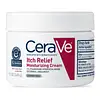 Key Ingredients
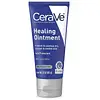
Benefits
Concerns
Ingredients Side-by-side
Pramoxine Hydrochloride 1%
Water
Skin ConditioningGlycerin
Humectant



Petrolatum
Emollient

Cetyl Alcohol
Emollient
Butyrospermum Parkii Butter
Skin Conditioning

Cetearyl Alcohol
Emollient
PEG-100 Stearate
Glyceryl Stearate
Emollient
Isopropyl Myristate
Emollient
Stearic Acid
Cleansing
Dimethicone
Emollient
Palmitic Acid
Emollient
Potassium Phosphate
BufferingCeramide NP
Skin Conditioning


Ceramide AP
Skin Conditioning
Ceramide EOP
Skin Conditioning
Carbomer
Emulsion StabilisingBehentrimonium Methosulfate

Sodium Hydroxide
BufferingMyristic Acid
Cleansing
Sodium Lauroyl Lactylate
EmulsifyingCholesterol
Emollient
Tasmannia Lanceolata Fruit Extract
Skin ConditioningPhenoxyethanol
Preservative
Dipotassium Phosphate
BufferingDisodium EDTA
Alcohol Denat.
Antimicrobial




Hydrolyzed Hyaluronic Acid
Humectant
Citric Acid
Buffering



Xanthan Gum
EmulsifyingPhytosphingosine
Skin Conditioning
Ethylhexylglycerin
Skin ConditioningPramoxine Hydrochloride 1%, Water, Glycerin, Petrolatum, Cetyl Alcohol, Butyrospermum Parkii Butter, Cetearyl Alcohol, PEG-100 Stearate, Glyceryl Stearate, Isopropyl Myristate, Stearic Acid, Dimethicone, Palmitic Acid, Potassium Phosphate, Ceramide NP, Ceramide AP, Ceramide EOP, Carbomer, Behentrimonium Methosulfate, Sodium Hydroxide, Myristic Acid, Sodium Lauroyl Lactylate, Cholesterol, Tasmannia Lanceolata Fruit Extract, Phenoxyethanol, Dipotassium Phosphate, Disodium EDTA, Alcohol Denat., Hydrolyzed Hyaluronic Acid, Citric Acid, Xanthan Gum, Phytosphingosine, Ethylhexylglycerin
Petrolatum 46.5%
Emollient
Paraffinum Liquidum
Emollient
Paraffin
Perfuming
Ozokerite
Emulsion StabilisingDimethicone
Emollient
Ceramide NP
Skin Conditioning
Ceramide AP
Skin Conditioning
Ceramide EOP
Skin Conditioning
Carbomer
Emulsion StabilisingWater
Skin ConditioningSodium Lauroyl Lactylate
EmulsifyingProline
Skin ConditioningCholesterol
Emollient
Phenoxyethanol
Preservative
Tocopheryl Acetate
Antioxidant

Tocopherol
Antioxidant
Hydrolyzed Hyaluronic Acid
Humectant
Panthenol
Skin Conditioning
Pantolactone
Humectant
Phytosphingosine
Skin Conditioning
Xanthan Gum
EmulsifyingEthylhexylglycerin
Skin ConditioningPetrolatum 46.5%, Paraffinum Liquidum, Paraffin, Ozokerite, Dimethicone, Ceramide NP, Ceramide AP, Ceramide EOP, Carbomer, Water, Sodium Lauroyl Lactylate, Proline, Cholesterol, Phenoxyethanol, Tocopheryl Acetate, Tocopherol, Hydrolyzed Hyaluronic Acid, Panthenol, Pantolactone, Phytosphingosine, Xanthan Gum, Ethylhexylglycerin
Reviews
Ingredients Explained
These ingredients are found in both products.
Ingredients higher up in an ingredient list are typically present in a larger amount.
Carbomer is a polymer of acrylic acid. Its main role is to create a gel consistency.
A high amount of carbomer can cause pilling or balling up of products. Don't worry, most products contain 1% or less of carbomer.
Ceramide AP is formally known as Ceramide 6.
Ceramides are intercellular lipids naturally found in our skin that bonds dead skin cells together to create a barrier. Having a strong skin barrier leads to more firm and hydrated skin.
They are known for their ability to hold water and thus are a great ingredient for dry skin. By bolstering the skin ceramides act as a barrier against irritating ingredients. This can help with inflammation as well.
If you would like to eat ceramides, sweet potatoes contain a small amount.
Read more about other common types of ceramides here:
Ceramide NP
Ceramide EOP
Ceramide EOP is formally known as Ceramide 1 and Ceramide 1 A.
EOP stands for a linked Ester fatty acid, a linked Omega hydroxy fatty acid, and the Phytosphingosine base.
Ceramides are intercellular lipids naturally found in our skin. They bind dead skin cells together to create a barrier. The ceramides in our skin have the ability to hold water to keep our skin hydrated.
Ceramides are an important building block for our skin barrier. A strong skin barrier helps with:
If you would like to eat ceramides, sweet potatoes contain a small amount.
Read more about other common types of ceramides here:
Learn more about Ceramide EOPCeramide NP is a type of ceramide and formally known as ceramide 3.
Ceramides are intercellular lipids naturally found in our skin that bonds dead skin cells together to create a barrier. They are known for their ability to hold water and thus are a great ingredient for dry skin.
Ceramides are an important building block for our skin barrier. A stronger barrier helps the skin look more firm and hydrated. By bolstering the skin ceramides act as a barrier against irritating ingredients. This can help with inflammation as well.
If you would like to eat ceramides, sweet potatoes contain a small amount.
Read more about other common types of ceramides here:
Ceramide AP
Ceramide EOP
Cholesterol is a class of organic molecules called lipids. It helps hydrate your skin and is essential to having a healthy skin barrier.
Our skin naturally contains cholesterol in the outermost layer. Besides cholesterol, it also contains ceramides and fatty acids. Cholesterol makes up about 1/4 of your skin's outer layer and barrier. Your skin barrier is responsible for keeping allergens and microbes out. Having a healthy skin barrier is also responsible for keeping your skin firm and plump.
Our bodies use cholestrol to create vitamin D, steroid hormones, and more.
Learn more about CholesterolDimethicone is a type of synthetic silicone created from natural materials such as quartz.
What it does:
Dimethicone comes in different viscosities:
Depending on the viscosity, dimethicone has different properties.
Ingredients lists don't always show which type is used, so we recommend reaching out to the brand if you have questions about the viscosity.
This ingredient is unlikely to cause irritation because it does not get absorbed into skin. However, people with silicone allergies should be careful about using this ingredient.
Note: Dimethicone may contribute to pilling. This is because it is not oil or water soluble, so pilling may occur when layered with products. When mixed with heavy oils in a formula, the outcome is also quite greasy.
Learn more about DimethiconeEthylhexylglycerin (we can't pronounce this either) is commonly used as a preservative and skin softener. It is derived from glyceryl.
You might see Ethylhexylglycerin often paired with other preservatives such as phenoxyethanol. Ethylhexylglycerin has been found to increase the effectiveness of these other preservatives.
Hydrolyzed Hyaluronic Acid is a form of hyaluronic acid. It is created by the hydrolysis of hyaluronic acid with a high molecular weight. Once created, Hydrolyzed Hyaluronic Acid has a low molecular weight.
Low molecular weight HA has been shown to hydrate and increase elasticity of the skin. Increasing elasticity is also associated with reduction of wrinkle depth.
One study found topical low molecular weight hyaluronic acid may be considered for the treatment of rosacea in the adult population. However, we always recommend speaking with a professional about your skin concerns.
Hyaluronic acids are a humectant. This means they draw moisture from the air. Hyaluronic acids help moisturize, soothe, and protect the skin.
Read more about other common forms of hyaluronic acid:
Learn more about Hydrolyzed Hyaluronic AcidPetrolatum is more commonly known as petroleum jelly. It is created by mixing waxes and mineral oils.
This ingredient is effective at reducing water loss by 99%. This is because it is an occlusive. Occlusives create a hydrophobic barrier on the skin to prevent evaporation. This property makes it great for hydrating dry skin.
Pro tip: Use occlusives, such as this ingredient, on damp skin for the best results.
The quality or origin of petrolatum is only known when disclosed by the brand. Most cosmetic petrolatum has gone through several purification stages.
Another benefit of occlusives is it protects your skin against infection or allergies.
Petrolatum may not be safe for fungal-acne. Studies show mineral oil / petroleum leads to the growth of M. Furfur, a type of yeast.
Learn more about PetrolatumPhenoxyethanol is a preservative that has germicide, antimicrobial, and aromatic properties. Studies show that phenoxyethanol can prevent microbial growth. By itself, it has a scent that is similar to that of a rose.
It's often used in formulations along with Caprylyl Glycol to preserve the shelf life of products.
Phytosphingosine is a phospholipid naturally found in our skin as a building block for ceramides.. It helps moisturize, soothe, and protect skin.
Phytosphingosine contributes to your skin's natural moisturizing factor (NMF). The NMF is responsible for hydration, a strong barrier, and plasticity. Our NMF decreases with age. Increasing NMF leads to more healthy and hydrated skin.
Studies show products formulated with NMF ingredients help strengthen our skin's barrier. Having a healthy skin barrier reduces irritation and increases hydration. Our skin barrier is responsible for having plump and firm skin. It also helps protect our skin against infection, allergies, and inflammation.
Fun fact: Phytosphingosine is abundant in plants and fungi.
More ingredients that help boost collagen in skin:
Learn more about PhytosphingosineSodium Lauroyl Lactylate is the lauric acid sodium salt of lactyl lactate.
Sodium Lauroyl Lactylate is an emulsifier and surfactant.
Emulsifiers help stabilize a product. They do this by preventing ingredients from separating, such as oils and water which do not mix naturally. Surfactants reduce surface tension, making it easier to rinse pollutants off skin.
Due to its relation to lauric acid, it may provide antimicrobial benefits.
Learn more about Sodium Lauroyl LactylateWater. It's the most common cosmetic ingredient of all. You'll usually see it at the top of ingredient lists, meaning that it makes up the largest part of the product.
So why is it so popular? Water most often acts as a solvent - this means that it helps dissolve other ingredients into the formulation.
You'll also recognize water as that liquid we all need to stay alive. If you see this, drink a glass of water. Stay hydrated!
Learn more about WaterXanthan gum is used as a stabilizer and thickener within cosmetic products. It helps give products a sticky, thick feeling - preventing them from being too runny.
On the technical side of things, xanthan gum is a polysaccharide - a combination consisting of multiple sugar molecules bonded together.
Xanthan gum is a pretty common and great ingredient. It is a natural, non-toxic, non-irritating ingredient that is also commonly used in food products.
Learn more about Xanthan Gum
