CeraVe AM Facial Moisturising Lotion SPF30 Versus Eucerin Sensitive Tinted Mineral Face Lotion SPF 35


What's inside
What's inside
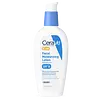 Key Ingredients
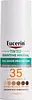
Benefits
Concerns
Ingredients Side-by-side
Homosalate 10%
Skin Conditioning

Menthyl Anthranilate 5%
UV AbsorberEthylhexyl Methoxycinnamate 5%
UV Absorber
Octocrylene 2%
UV Absorber
Zinc Oxide 6.3%
Cosmetic Colorant
Water
Skin ConditioningNiacinamide
Smoothing









Glycerin
Humectant
Cetearyl Alcohol
Emollient



Behentrimonium Methosulfate

Dimethicone
Emollient
BHT
Antioxidant
Ceramide NP
Skin Conditioning
Ceramide AP
Skin Conditioning
Ceramide EOP
Skin Conditioning
Carbomer
Emulsion StabilisingTriethoxycaprylylsilane
Methylparaben
Preservative

Sodium Lauroyl Lactylate
EmulsifyingCholesterol
Emollient
Aluminum Starch Octenylsuccinate
Absorbent
Disodium EDTA
Propylparaben
Preservative
Hydroxyethylcellulose
Emulsion StabilisingHydrolyzed Hyaluronic Acid
Humectant
Phytosphingosine
Skin Conditioning
Xanthan Gum
EmulsifyingHomosalate 10%, Menthyl Anthranilate 5%, Ethylhexyl Methoxycinnamate 5%, Octocrylene 2%, Zinc Oxide 6.3%, Water, Niacinamide, Glycerin, Cetearyl Alcohol, Behentrimonium Methosulfate, Dimethicone, BHT, Ceramide NP, Ceramide AP, Ceramide EOP, Carbomer, Triethoxycaprylylsilane, Methylparaben, Sodium Lauroyl Lactylate, Cholesterol, Aluminum Starch Octenylsuccinate, Disodium EDTA, Propylparaben, Hydroxyethylcellulose, Hydrolyzed Hyaluronic Acid, Phytosphingosine, Xanthan Gum
Zinc Oxide 24%
Cosmetic Colorant
Water
Skin ConditioningC12-15 Alkyl Benzoate
AntimicrobialIsopropyl Palmitate
Emollient
Butyloctyl Salicylate
Skin Conditioning
Ethylhexyl Pelargonate
Emollient
Cetyl PEG/PPG-10/1 Dimethicone
Emulsifying
Propylene Glycol
Humectant
Cyclopentasiloxane
Emollient
Bis-Octyldodecyl Dimer Dilinoleate/Propanediol Copolymer
EmollientDimethicone
Emollient
Diethylhexyl Syringylidenemalonate
Skin ProtectingEthylhexyl Methoxycrylene
Skin Conditioning
Polyester-27
Glycyrrhiza Inflata Root Extract
Skin ConditioningGlycyrrhetinic Acid
Skin ConditioningSodium Ascorbyl Phosphate
Antioxidant

Simmondsia Chinensis Seed Oil
Emollient
Tocopherol
Antioxidant
Triethoxycaprylylsilane
Beeswax
Emulsion Stabilising
Hydroxyacetophenone
Antioxidant
Sodium Chloride
Masking
PEG-12 Dimethicone Crosspolymer
Emulsifying
1,2-Hexanediol
Skin Conditioning
Caprylyl Glycol
Emollient
Jojoba Esters
Emollient
Silica
Abrasive
Polyglyceryl-6 Polyricinoleate
Emulsifying
Iron Oxides
Zinc Oxide 24%, Water, C12-15 Alkyl Benzoate, Isopropyl Palmitate, Butyloctyl Salicylate, Ethylhexyl Pelargonate, Cetyl PEG/PPG-10/1 Dimethicone, Propylene Glycol, Cyclopentasiloxane, Bis-Octyldodecyl Dimer Dilinoleate/Propanediol Copolymer, Dimethicone, Diethylhexyl Syringylidenemalonate, Ethylhexyl Methoxycrylene, Polyester-27, Glycyrrhiza Inflata Root Extract, Glycyrrhetinic Acid, Sodium Ascorbyl Phosphate, Simmondsia Chinensis Seed Oil, Tocopherol, Triethoxycaprylylsilane, Beeswax, Hydroxyacetophenone, Sodium Chloride, PEG-12 Dimethicone Crosspolymer, 1,2-Hexanediol, Caprylyl Glycol, Jojoba Esters, Silica, Polyglyceryl-6 Polyricinoleate, Iron Oxides
Reviews
Ingredients Explained
These ingredients are found in both products.
Ingredients higher up in an ingredient list are typically present in a larger amount.
Dimethicone is a type of synthetic silicone created from natural materials such as quartz.
What it does:
Dimethicone comes in different viscosities:
Depending on the viscosity, dimethicone has different properties.
Ingredients lists don't always show which type is used, so we recommend reaching out to the brand if you have questions about the viscosity.
This ingredient is unlikely to cause irritation because it does not get absorbed into skin. However, people with silicone allergies should be careful about using this ingredient.
Note: Dimethicone may contribute to pilling. This is because it is not oil or water soluble, so pilling may occur when layered with products. When mixed with heavy oils in a formula, the outcome is also quite greasy.
Learn more about DimethiconeTriethoxycaprylylsilane is a silicone used to bind and stabilize ingredients.
As an emulsifier, it helps prevent ingredients from separating. This can help elongate the shelf life of products.
Triethoxycaprylylsilane is often used to coat mineral sunscreens ingredients to help give a better feel. It also helps reduce oxidative stress in sunscreens.
Learn more about TriethoxycaprylylsilaneWater. It's the most common cosmetic ingredient of all. You'll usually see it at the top of ingredient lists, meaning that it makes up the largest part of the product.
So why is it so popular? Water most often acts as a solvent - this means that it helps dissolve other ingredients into the formulation.
You'll also recognize water as that liquid we all need to stay alive. If you see this, drink a glass of water. Stay hydrated!
Learn more about WaterZinc Oxide is a mineral broad-spectrum UV filter; it is the broadest UVA and UVB reflector approved by the FDA. It also has skin protectant and skin soothing properties.
Zinc oxide is one of the most effective broad-spectrum UV filters. It protects against UVB, UVAII, and UVAI. In comparison to its counterpart titanium dioxide, zinc oxide provides uniform and extended UVA protection.
Another great benefit? This ingredient is highly photostable so it won't degrade easily under sunlight.
A common myth is that mineral UV filters are widely believed to primarily reflect UV light.
However, modern research shows titanium dioxide absorbs UV radiation like chemical filters (~95% absorption & 5% reflection).
Zinc oxide has great skin soothing properties so you'll likely find this in sunscreens formulated for sensitive skin or babies/children. It is unlikely to cause "eye sting" like other sunscreen ingredients.
Regulatory agencies consider zinc oxide to be non-toxic and safe. It has also been shown to not penetrate the skin.
Unfortunately, this ingredient does leave a visible white cast. This is why mineral sunscreens are often less cosmetically elegant than chemical or hybrid ones.
In cosmetics, zinc oxide can be found in both non-nano and nano-sized forms. The nano version is used to reduce white cast and improve the texture of sunscreen formulas.
There are ongoing concerns surrounding nano-zinc oxide's impact on marine ecosystems and whether it can be absorbed into skin.
Regarding marine ecosystems and coral reefs, there is no conclusive evidence that any form of zinc oxide (or any other sunscreen ingredients) will cause harm. The science is still developing but many consumers are keeping a close eye on this issue.
Please note, many destinations have reef-safety sunscreen rules. For instance, the U.S. Virgin Islands advises all visitors to use non-nano mineral sunscreens.
There has also been some stir about whether micronized or nano zinc oxide has potential photoxicity and absorption through the skin/lungs.
An in-vitro (done in a test tube or petri dish) study demonstrated micronized zinc oxide to have potential phototoxicity. There's no need to fret; the EU Commission's Scientific Committee on Consumer Safety has stated, "The relevance of these findings needs to be clarified by appropriate investigations in vivo." Or in other words, further studies done on living organisms are needed to prove this.
Current research shows zinc oxide nanoparticles do not penetrate intact or sunburned skin. They either remain on the surface or in the outermost layer of dead skin (stratum corneum).
Zinc oxide is one of only two classified mineral UV filters with titanium dioxide being the other one.
Fun fact: Zinc has been used throughout history as an ingredient in paint and medicine. An Indian text from 500BC is believed to list zinc oxide as a salve for open wound. The Ancient Greek physician Dioscorides has also mentioned the use of zinc as an ointment in 1AD.
Learn more about Zinc Oxide
