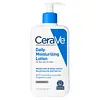
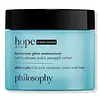
CeraVe Daily Moisturizing Lotion Normal To Dry Skin Versus Philosophy Hope In A Jar Water Cream Hyaluronic Glow Moisturizer

What's inside
What's inside
 Key Ingredients
Benefits
Concerns
Ingredients Side-by-side
Water
Skin ConditioningGlycerin
Humectant



Caprylic/Capric Triglyceride
Masking
Cetearyl Alcohol
Emollient



Cetyl Alcohol
Emollient
Potassium Phosphate
BufferingCeramide NP
Skin Conditioning


Ceramide AP
Skin Conditioning
Ceramide EOP
Skin Conditioning
Carbomer
Emulsion StabilisingDimethicone
Emollient
Ceteareth-20
Cleansing
Behentrimonium Methosulfate

Methylparaben
Preservative



Sodium Lauroyl Lactylate
EmulsifyingCholesterol
Emollient
Disodium EDTA
Dipotassium Phosphate
BufferingPropylparaben
Preservative
Hydrolyzed Hyaluronic Acid
Humectant
Phytosphingosine
Skin Conditioning
Xanthan Gum
EmulsifyingPolysorbate 20
Emulsifying
Polyglyceryl-3 Diisostearate
Emulsifying
Water, Glycerin, Caprylic/Capric Triglyceride, Cetearyl Alcohol, Cetyl Alcohol, Potassium Phosphate, Ceramide NP, Ceramide AP, Ceramide EOP, Carbomer, Dimethicone, Ceteareth-20, Behentrimonium Methosulfate, Methylparaben, Sodium Lauroyl Lactylate, Cholesterol, Disodium EDTA, Dipotassium Phosphate, Propylparaben, Hydrolyzed Hyaluronic Acid, Phytosphingosine, Xanthan Gum, Polysorbate 20, Polyglyceryl-3 Diisostearate
Water
Skin ConditioningGlycerin
Humectant
Pentylene Glycol
Skin ConditioningCaprylic/Capric Triglyceride
Masking
Pentaerythrityl Tetraethylhexanoate
Emollient
Cetearyl Alcohol
Emollient
1,2-Hexanediol
Skin Conditioning
Caprylyl Glycol
Emollient
Dimethicone
Emollient
Ammonium Acryloyldimethyltaurate/Beheneth-25 Methacrylate Crosspolymer
Emulsion StabilisingButylene Glycol
Humectant
Cetearyl Glucoside
EmulsifyingMethylpropanediol
SolventSodium Polyacrylate Starch
AbsorbentParfum
Masking

Ananas Sativus Fruit Extract
Skin ConditioningLaureth-3
EmulsifyingCitric Acid
Buffering



Hydroxyethylcellulose
Emulsion StabilisingGlucosyl Hesperidin
HumectantGuar Hydroxypropyltrimonium Chloride
Skin ConditioningAcetyl Dipeptide-1 Cetyl Ester
Skin Conditioning

Limonene
Perfuming

Hyaluronic Acid
Humectant
Sodium Benzoate
Masking
Potassium Sorbate
Preservative
Silanetriol
Hydrolyzed Opuntia Ficus-Indica Flower Extract
Abrasive
Agave Americana Leaf Extract
Skin ConditioningCI 42090
Cosmetic ColorantCI 17200
Cosmetic ColorantWater, Glycerin, Pentylene Glycol, Caprylic/Capric Triglyceride, Pentaerythrityl Tetraethylhexanoate, Cetearyl Alcohol, 1,2-Hexanediol, Caprylyl Glycol, Dimethicone, Ammonium Acryloyldimethyltaurate/Beheneth-25 Methacrylate Crosspolymer, Butylene Glycol, Cetearyl Glucoside, Methylpropanediol, Sodium Polyacrylate Starch, Parfum, Ananas Sativus Fruit Extract, Laureth-3, Citric Acid, Hydroxyethylcellulose, Glucosyl Hesperidin, Guar Hydroxypropyltrimonium Chloride, Acetyl Dipeptide-1 Cetyl Ester, Limonene, Hyaluronic Acid, Sodium Benzoate, Potassium Sorbate, Silanetriol, Hydrolyzed Opuntia Ficus-Indica Flower Extract, Agave Americana Leaf Extract, CI 42090, CI 17200
Reviews
Ingredients Explained
These ingredients are found in both products.
Ingredients higher up in an ingredient list are typically present in a larger amount.
This ingredient is an emollient, solvent, and texture enhancer. It is considered a skin-softener by helping the skin prevent moisture loss.
It helps thicken a product's formula and makes it easier to spread by dissolving clumping compounds.
Caprylic Triglyceride is made by combining glycerin with coconut oil, forming a clear liquid.
While there is an assumption Caprylic Triglyceride can clog pores due to it being derived from coconut oil, there is no research supporting this.
Learn more about Caprylic/Capric TriglycerideCetearyl alcohol is a mixture of two fatty alcohols: cetyl alcohol and stearyl alcohol. It is mainly used as an emulsifier. Emulsifiers help prevent the separation of oils and products. Due to its composition, it can also be used to thicken a product or help create foam.
Cetearyl alcohol is an emollient. Emollients help soothe and hydrate the skin by trapping moisture.
Studies show Cetearyl alcohol is non-toxic and non-irritating. The FDA allows products labeled "alcohol-free" to have fatty alcohols.
This ingredient is usually derived from plant oils such as palm, vegetable, or coconut oils. There is debate on whether this ingredient will cause acne.
Due to the fatty acid base, this ingredient may not be Malassezia folliculitis safe.
Learn more about Cetearyl AlcoholDimethicone is a type of synthetic silicone created from natural materials such as quartz.
What it does:
Dimethicone comes in different viscosities:
Depending on the viscosity, dimethicone has different properties.
Ingredients lists don't always show which type is used, so we recommend reaching out to the brand if you have questions about the viscosity.
This ingredient is unlikely to cause irritation because it does not get absorbed into skin. However, people with silicone allergies should be careful about using this ingredient.
Note: Dimethicone may contribute to pilling. This is because it is not oil or water soluble, so pilling may occur when layered with products. When mixed with heavy oils in a formula, the outcome is also quite greasy.
Learn more about DimethiconeGlycerin is already naturally found in your skin. It helps moisturize and protect your skin.
A study from 2016 found glycerin to be more effective as a humectant than AHAs and hyaluronic acid.
As a humectant, it helps the skin stay hydrated by pulling moisture to your skin. The low molecular weight of glycerin allows it to pull moisture into the deeper layers of your skin.
Hydrated skin improves your skin barrier; Your skin barrier helps protect against irritants and bacteria.
Glycerin has also been found to have antimicrobial and antiviral properties. Due to these properties, glycerin is often used in wound and burn treatments.
In cosmetics, glycerin is usually derived from plants such as soybean or palm. However, it can also be sourced from animals, such as tallow or animal fat.
This ingredient is organic, colorless, odorless, and non-toxic.
Glycerin is the name for this ingredient in American English. British English uses Glycerol/Glycerine.
Learn more about GlycerinWater. It's the most common cosmetic ingredient of all. You'll usually see it at the top of ingredient lists, meaning that it makes up the largest part of the product.
So why is it so popular? Water most often acts as a solvent - this means that it helps dissolve other ingredients into the formulation.
You'll also recognize water as that liquid we all need to stay alive. If you see this, drink a glass of water. Stay hydrated!
Learn more about Water
