
What's inside
What's inside
 Key Ingredients
Benefits
Concerns
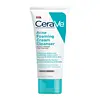
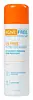
Ingredients Side-by-side
Benzoyl Peroxide 4%






Water
Skin ConditioningGlycerin
Humectant


Sodium Methyl Cocoyl Taurate
Cleansing

Coco-Betaine
Cleansing
Sodium Cocoyl Isethionate
Cleansing
Sodium Chloride
MaskingPEG-100 Stearate
PEG-30 Dipolyhydroxystearate
Emulsifying
Ceramide NP
Skin Conditioning



Ceramide AP
Skin Conditioning
Ceramide EOP
Skin Conditioning
Carbomer
Emulsion StabilisingGlyceryl Stearate
Emollient
Niacinamide
Smoothing





Trideceth-6
EmulsifyingCetearyl Alcohol
Emollient


Sodium Citrate
BufferingSodium Hydroxide
BufferingSodium Hyaluronate
Humectant
Sodium Lauroyl Lactylate
EmulsifyingCholesterol
Emollient
Phenoxyethanol
Preservative
Propanediol
Solvent
Caprylyl Glycol
Emollient
Xanthan Gum
EmulsifyingDiethylhexyl Sodium Sulfosuccinate
CleansingPhytosphingosine
Skin Conditioning
Acrylates/C10-30 Alkyl Acrylate Crosspolymer
Emulsion StabilisingEthylhexylglycerin
Skin ConditioningBenzoyl Peroxide 4%, Water, Glycerin, Sodium Methyl Cocoyl Taurate, Coco-Betaine, Sodium Cocoyl Isethionate, Sodium Chloride, PEG-100 Stearate, PEG-30 Dipolyhydroxystearate, Ceramide NP, Ceramide AP, Ceramide EOP, Carbomer, Glyceryl Stearate, Niacinamide, Trideceth-6, Cetearyl Alcohol, Sodium Citrate, Sodium Hydroxide, Sodium Hyaluronate, Sodium Lauroyl Lactylate, Cholesterol, Phenoxyethanol, Propanediol, Caprylyl Glycol, Xanthan Gum, Diethylhexyl Sodium Sulfosuccinate, Phytosphingosine, Acrylates/C10-30 Alkyl Acrylate Crosspolymer, Ethylhexylglycerin
Benzoyl Peroxide 2.5%
Water
Skin ConditioningCetearyl Alcohol
Emollient
Cetyl Alcohol
Emollient
Glyceryl Stearate
Emollient
Cocamidopropyl Hydroxysultaine
Cleansing
Sodium C14-16 Olefin Sulfonate
Cleansing
Sodium Methyl Cocoyl Taurate
Cleansing
Caprylyl Glycol
Emollient
Carbomer
Emulsion StabilisingSodium Citrate
BufferingCeteareth-20
CleansingPhenoxyethanol
Preservative
Hexylene Glycol
EmulsifyingSodium Hydroxide
BufferingGlycerin
Humectant
Glycolic Acid
Buffering

Disodium EDTA
Niacinamide
Smoothing
Ceramide Ng
Skin Conditioning
Avena Sativa Kernel Extract
Abrasive
Benzoyl Peroxide 2.5%, Water, Cetearyl Alcohol, Cetyl Alcohol, Glyceryl Stearate, Cocamidopropyl Hydroxysultaine, Sodium C14-16 Olefin Sulfonate, Sodium Methyl Cocoyl Taurate, Caprylyl Glycol, Carbomer, Sodium Citrate, Ceteareth-20, Phenoxyethanol, Hexylene Glycol, Sodium Hydroxide, Glycerin, Glycolic Acid, Disodium EDTA, Niacinamide, Ceramide Ng, Avena Sativa Kernel Extract
Reviews
Alternatives
Ingredients Explained
These ingredients are found in both products.
Ingredients higher up in an ingredient list are typically present in a larger amount.
Benzoyl Peroxide (BPO) is one of the most studied and widely used acne-fighting ingredients on the market for over five decades.
It works by releasing oxygen into your pores to kill Cutibacterium acne, or the bacteria closely linked to acne breakouts. This bacteria has a hard time surviving in an oxygen-rich environment.
On top of that, BPO has keratolytic properties to help shed dead skin cells and keep pores from getting clogged.
One of the coolest things about BPO is that bacteria do not develop resistance to it the way they can with antibiotics. That's why dermatologists recommend pairing it with topical antibiotics to keep resistance at bay.
BPO is usually available in 2.5%, 5%, and 10% concentrations. Research has shown that 2.5% tends to be just as effective as the higher strengths while being more gentle on the skin.
The FDA has classified BPO as a safe and effective acne treatment. You'll be able to find this ingredient in over-the-counter products in many countries.
Just so you know, BPO is a known mild irritant. It's common to see dryness, peeling, and some redness when you first start using it. This usually goes away as your skin adjusts.
A very small number of people might develop allergic contact dermatitis from it as patch test studies show positive reactions in about 1-5% of patients.
Once BPO is absorbed into the skin, our bodies turn it into benzoic acid and quickly exits in urine. It's also worth noting that BPO will bleach fabrics and hair, so watch your towels and pillowcases!
Learn more about Benzoyl PeroxideCaprylyl Glycol is a humectant, skin conditioner, emollient, and preservative booster derived from either caprylic acid or synthetically created.
Typical use levels vary from 0.3-1% as a preservative booster and go up to 2% to condition skin.
Because it is not a free-fatty acid or alcohol, this ingredient is fungal acne safe (there's nothing for Malassezia to feed on).
Learn more about Caprylyl GlycolCarbomer is a high-molecular weight polymer of acrylic acid. It is used to form gels and thicken formulas.
Due to its large molecular size, carbomer has minimal skin penetration and is considered an inert ingredient.
A high amount of carbomer can cause pilling or balling up of products. Don't worry, most products contain 1% or less of carbomer.
Learn more about CarbomerCetearyl alcohol is a waxy mixture of two fatty alcohols: cetyl alcohol and stearyl alcohol. It is an emollient and emulsifier.
Despite having "alcohol" in its name, it has nothing to do with drying solvent alcohols; the FDA also allows "alcohol-free" products to contain fatty alcohols like this ingredient.
It plays several roles in a formula:
Typical use levels for this ingredient sit around 1-10% and the Cosmetic Ingredient Review Expert Panel has affirmed safety at concentrations up to 25% in leave-on products.
Multiple assessments have found it to be non-irritating and non-sensitizing to most people.
However, there have been some cases of allergic contact dermatitis in patients with chronically compromised skin barriers.
Cetearyl alcohol has a comedogenic rating of 2 and irritancy rating of 1. Both of these numbers come from the 1989 study that used rabbit ears; a "2" means mildly comedogenic and a "1" means low irritancy.
Here's the catch: rabbit skin is more sensitive than human skin and throws a lot of false positives. A 1996 reappraisal found that ingredients rated 1-2 in the rabbit ear tests are generally safe for humans.
Remember comedogenic ratings are unable to assess the entire formula of a product or how it will react on your skin. Just be sure to patch test if you are unsure about certain ingredients.
This ingredient is not fungal acne safe. Cetearyl alcohol is a fatty alcohol with chain lengths that fall within the range that Malassezia can metabolize.
Learn more about Cetearyl AlcoholGlycerin (or glycerol) is a compound naturally found in your skin. It's a powerhouse humectant that pulls water into the stratum corneum.
Topically, glycerin does several things at once:
Your skin makes glycerin on its own (mostly from sebaceous oil breakdown) and shuttles it to your outermost layer of skin, or your epidermis, via aquaporin-3.
Aquaporin-3 is a transporter that is essential for normal skin hydration, elasticity, and repair. Interestingly, mice lacking in AQP3 have dry and less elastic skin that can be fully corrected with glycerin.
This ingredient is non-irritating, plays well with almost every ingredient, and works across all skin types. Typical use is anywhere between 3-10% but can go up to 79% in some leave-on products.
Just know very high concentrations (>40%) can feel tacky in low humidity.
Glycerin is the name for this ingredient in American English. British English uses Glycerol/Glycerine.
Learn more about GlycerinGlyceryl Stearate is made by reacting glycerin with stearic acid (typically sourced from plant oils like palm or coconut). It's an emulsifier, emollient, and mild occlusive.
Emulsifiers help ingredients like oil and water stay mixed so your formula stays nicely blended and uniform in texture.
This ingredient is typically used in concentrations between 1-10%. Studies have found it to be non-sensitizing, non-phototoxic, and non-photoallergenic.
A close cousin of this ingredient is Glyceryl Stearate SE ("self-emulsifying"). This just has a small amount of sodium or potassium stearate added so it can emulsify without a co-emulsifier.
Since this ingredient is an ester of a C18 fatty acid, it may not be fungal acne safe. The Malassezia yeast can potentially metabolize within the C11-C24 range.
Fun fact: The human body also creates Glyceryl Stearate naturally.
Learn more about Glyceryl StearateNiacinamide is a multitasking form of vitamin B3 that strengthens the skin barrier, reduces pores and dark spots, regulates oil, and improves signs of aging.
And the best part? It's gentle and well-tolerated by most skin types, including sensitive and reactive skin.
You might have heard of "niacin flush", or the reddening of skin that causes itchiness. Niacinamide has not been found to cause this.
In very rare cases, some individuals may not be able to tolerate niacinamide at all or experience an allergic reaction to it.
If you are experiencing flaking, irritation, and dryness with this ingredient, be sure to double check all your products as this ingredient can be found in all categories of skincare.
When incorporating niacinamide into your routine, look out for concentration amounts. Typically, 5% niacinamide provides benefits such as fading dark spots. However, if you have sensitive skin, it is better to begin with a smaller concentration.
When you apply niacinamide to your skin, your body converts it into nicotinamide adenine dinucleotide (NAD). NAD is an essential coenzyme that is already found in your cells as "fuel" and powers countless biological processes.
In your skin, NAD helps repair cell damage, produce new healthy cells, support collagen production, strengthen the skin barrier, and fight environmental stressors (like UV and pollution).
Our natural NAD levels start to decline with age, leading to slower skin repair, visible aging, and a weaker skin barrier. By providing your skin niacinamide, you're recharging your skin's NAD levels. This leads to stronger, healthier, and younger looking skin.
Another name for vitamin B3 is nicotinamide. This vitamin is water-soluble and our bodies don't store it. We obtain Vitamin B3 from either food or skincare. Meat, fish, wheat, yeast, and leafy greens contain vitamin B3.
The type of niacinamide used in skincare is synthetically created.
Learn more about NiacinamidePhenoxyethanol is a preservative that has germicide, antimicrobial, and aromatic properties. Studies show that phenoxyethanol can prevent microbial growth. By itself, it has a scent that is similar to that of a rose.
It's often used in formulations along with Caprylyl Glycol to preserve the shelf life of products.
Sodium Citrate is the sodium salts of citric acid. In skincare, it is used to alter pH levels and acts as a preservative.
Its main functions are to maintain the pH of a product and neutralize metal ions.
The acidity of our skin is maintained by our glands and skin biome; normal pH level of skin is slightly acidic (~4.75-5.5).
Being slightly acidic allows our skin to create an "acid mantle". This acid mantle is a thin barrier that protects our skin from bacteria and contaminants.
Learn more about Sodium CitrateSodium Hydroxide is also known as lye or caustic soda. It is used to adjust the pH of products; many ingredients require a specific pH to be effective.
In small amounts, sodium hydroxide is considered safe to use. However, large amounts may cause chemical burns due to its high alkaline.
Your skin has a natural pH and acid mantle. This acid mantle helps prevent harmful bacteria from breaking through. The acid mantle also helps keep your skin hydrated.
"Alkaline" refers to a high pH level. A low pH level would be considered acidic.
Learn more about Sodium HydroxideThis gentle cleansing and foaming ingredient is known for leaving a smooth feeling in skin and hair. It is made using coconut oil.
According to the manufacturer, it is soluble in water and has resistance to hard water, acid, and alkali.
Due to its coconut base, it may not be Malassezia folliculitis safe.
Learn more about Sodium Methyl Cocoyl TaurateWater. It's the most common cosmetic ingredient of all. You'll usually see it at the top of ingredient lists, meaning that it makes up the largest part of the product.
So why is it so popular? Water most often acts as a solvent - this means that it helps dissolve other ingredients into the formulation.
You'll also recognize water as that liquid we all need to stay alive. If you see this, drink a glass of water. Remember to stay hydrated!
Learn more about Water
