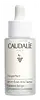
This brightening serum is formulated around Palmitoyl Grapevine Shoot Extract and Squalane to fade the look of dark spots and brighten dull-looking skin.
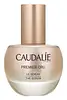
This anti-aging serum is formulated around Niacinamide and Palmitoyl Grapevine Shoot Extract to soften the look of wrinkles and fade the look of dark spots.

What's inside
What's inside
 Key Ingredients
Benefits
Concerns
Ingredients Side-by-side
Water
Skin ConditioningButylene Glycol
Humectant

Glycerin
Humectant
Coco-Caprylate/Caprate
Emollient
Squalane
Emollient
Palmitoyl Grapevine Shoot Extract
Antioxidant


Polyglyceryl-3 Distearate
Emulsifying

Bisabolol
Antioxidant

Glyceryl Stearate
Emollient
Xanthan Gum
EmulsifyingCaprylyl Glycol
Emollient
Microcrystalline Cellulose
AbsorbentPolyacrylate Crosspolymer-6
Emulsion StabilisingPotassium Sorbate
Preservative
Glyceryl Stearate Citrate
Emollient
Citric Acid
Buffering
Sodium Phytate
ChelatingSodium Hydroxide
BufferingParfum
Masking



Water, Butylene Glycol, Glycerin, Coco-Caprylate/Caprate, Squalane, Palmitoyl Grapevine Shoot Extract, Polyglyceryl-3 Distearate, Bisabolol, Glyceryl Stearate, Xanthan Gum, Caprylyl Glycol, Microcrystalline Cellulose, Polyacrylate Crosspolymer-6, Potassium Sorbate, Glyceryl Stearate Citrate, Citric Acid, Sodium Phytate, Sodium Hydroxide, Parfum
Water
Skin ConditioningGlycerin
Humectant
Niacinamide
Smoothing




Methylpropanediol
SolventBetaine
Humectant
Ribose
HumectantHydrolyzed Hyaluronic Acid
Humectant
Paeonia Lactiflora Root Extract
Skin ConditioningSodium Hyaluronate
Humectant
Palmitoyl Grape Seed Extract
Skin ConditioningPalmitoyl Grapevine Shoot Extract
Antioxidant
Caprylyl Glycol
Emollient
Carbomer
Emulsion StabilisingPolyacrylate Crosspolymer-6
Emulsion StabilisingHelianthus Annuus Seed Oil
Emollient
Tocopherol
Antioxidant
Hydroxyethyl Acrylate/Sodium Acryloyldimethyl Taurate Copolymer
Emulsion StabilisingPhenylpropanol
Masking
Sodium Carboxymethyl Beta-Glucan
CleansingSorbitan Isostearate
Emulsifying
Parfum
Masking
Sodium Phytate
ChelatingSodium Hydroxide
BufferingGeraniol
Perfuming
Linalool
Perfuming
Water, Glycerin, Niacinamide, Methylpropanediol, Betaine, Ribose, Hydrolyzed Hyaluronic Acid, Paeonia Lactiflora Root Extract, Sodium Hyaluronate, Palmitoyl Grape Seed Extract, Palmitoyl Grapevine Shoot Extract, Caprylyl Glycol, Carbomer, Polyacrylate Crosspolymer-6, Helianthus Annuus Seed Oil, Tocopherol, Hydroxyethyl Acrylate/Sodium Acryloyldimethyl Taurate Copolymer, Phenylpropanol, Sodium Carboxymethyl Beta-Glucan, Sorbitan Isostearate, Parfum, Sodium Phytate, Sodium Hydroxide, Geraniol, Linalool
Reviews
Ingredients Explained
These ingredients are found in both products.
Ingredients higher up in an ingredient list are typically present in a larger amount.
Caprylyl Glycol is a humectant, skin conditioner, emollient, and preservative booster derived from either caprylic acid or synthetically created.
Typical use levels vary from 0.3-1% as a preservative booster and go up to 2% to condition skin.
Because it is not a free-fatty acid, this ingredient is fungal acne safe (there's nothing for Malassezia to feed on).
Learn more about Caprylyl GlycolGlycerin (or glycerol) is a compound naturally found in your skin. It's a powerhouse humectant that pulls water into the stratum corneum.
Topically, glycerin does several things at once:
Your skin makes glycerin on its own (mostly from sebaceous oil breakdown) and shuttles it to your outermost layer of skin, or your epidermis, via aquaporin-3.
Aquaporin-3 is a transporter that is essential for normal skin hydration, elasticity, and repair. Interestingly, mice lacking in AQP3 have dry and less elastic skin that can be fully corrected with glycerin.
This ingredient is non-irritating, plays well with almost every ingredient, and works across all skin types. Typical use is anywhere between 3-10% but can go up to 79% in some leave-on products.
Just know very high concentrations (>40%) can feel tacky in low humidity.
Glycerin is the name for this ingredient in American English. British English uses Glycerol/Glycerine.
Learn more about GlycerinPalmitoyl Grapevine Shoot Extract is an antioxidant made by attaching a palmitic acid group to extract from young grapevine (Vitis vinifera) shoots. The palmitoyl part makes it more oil-soluble, which helps it absorb into skin.
It's a proprietary ingredient used almost exclusively by Caudalie, where it's the active behind their "Viniférine" technology and the brightening claims in the Vinoperfect line. Grapevine shoots are naturally rich in resveratrol and related compounds like ε-viniferin, so the antioxidant credentials are plausible. Studies on similar grapevine-shoot extracts show real free-radical scavenging and a boost to the skin's own antioxidant enzymes like SOD and GPx.
The catch: most of the evidence for the brightening and anti-aging claims comes from the brand itself rather than independent research.
Fun fact: grapevine shoots are the pruned branches left over after harvest - a vineyard byproduct that got a second life in skincare.
Learn more about Palmitoyl Grapevine Shoot ExtractParfum is a catch-all term for an ingredient or more that is used to give a scent to products.
Also called "fragrance", this ingredient can be a blend of hundreds of chemicals or plant oils. This means every product with "fragrance" or "parfum" in the ingredients list is a different mixture.
For instance, Habanolide is a proprietary trade name for a specific aroma chemical. When used as a fragrance ingredient in cosmetics, most aroma chemicals fall under the broad labeling category of “FRAGRANCE” or “PARFUM” according to EU and US regulations.
The term 'parfum' or 'fragrance' is not regulated in many countries. In many cases, it is up to the brand to define this term.
For instance, many brands choose to label themselves as "fragrance-free" because they are not using synthetic fragrances. However, their products may still contain ingredients such as essential oils that are considered a fragrance by INCI standards.
One example is Calendula flower extract. Calendula is an essential oil that still imparts a scent or 'fragrance'.
Depending on the blend, the ingredients in the mixture can cause allergies and sensitivities on the skin. Some ingredients that are known EU allergens include linalool and citronellol.
Parfum can also be used to mask or cover an unpleasant scent.
The bottom line is: not all fragrances/parfum/ingredients are created equally. If you are worried about fragrances, we recommend taking a closer look at an ingredient. And of course, we always recommend speaking with a professional.
Learn more about ParfumPolyacrylate Crosspolymer-6 is a texture enhancer and pH adjuster.
It is be used to thicken water-based products and create a gel-texture with a velvet feel.
One manufacturer claims this ingredient to have a pH range of 2-8 and to be biodegradable.
This ingredient is also known as Sepimax Zen.
Learn more about Polyacrylate Crosspolymer-6Sodium Hydroxide is also known as lye or caustic soda. It is used to adjust the pH of products; many ingredients require a specific pH to be effective.
In small amounts, sodium hydroxide is considered safe to use. However, large amounts may cause chemical burns due to its high alkaline.
Your skin has a natural pH and acid mantle. This acid mantle helps prevent harmful bacteria from breaking through. The acid mantle also helps keep your skin hydrated.
"Alkaline" refers to a high pH level. A low pH level would be considered acidic.
Learn more about Sodium HydroxideSodium Phytate is the sodium salt of Phytic acid, a compound that plants store phosphorus in. It's the plant-derived alternative to ingredients like Disodium EDTA.
In skincare, this ingredient is a chelator that grabs onto trace metal ions like iron and copper that sneak into formulas through water/raw materials.
Those metals speed up oxidation so binding them keeps oils, fragrance, and actives from going off, stops color changes, and helps the preservative system work harder.
Survey data shows usage levels range from 0.0099%-0.5% in leave-on products, 0.025%-0.3% in rinse-off, and up to 0.05% in eye-area products. Suppliers typically recommend a range between 0.05-0.5%.
Learn more about Sodium PhytateWater. It's the most common cosmetic ingredient of all. You'll usually see it at the top of ingredient lists, meaning that it makes up the largest part of the product.
So why is it so popular? Water most often acts as a solvent - this means that it helps dissolve other ingredients into the formulation.
You'll also recognize water as that liquid we all need to stay alive. If you see this, drink a glass of water. Remember to stay hydrated!
Learn more about Water

