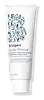
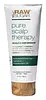
BrioGeo Scalp Revival Charcoal + Tea Tree Cooling Hydration Mask Versus Raw Sugar Pure Scalp Therapy Scalp & Hair Masque

What's inside
What's inside
 Key Ingredients
Benefits
Concerns
Ingredients Side-by-side
Water
Skin ConditioningCaprylic/Capric Triglyceride
Masking


Hydroxypropyl Starch Phosphate
Cetearyl Alcohol
Emollient





Glyceryl Stearate
Emollient
Brassica Alcohol
Emollient
Propanediol
Solvent
Glycerin
Humectant
Cetyl Alcohol
Emollient
Cocos Nucifera Oil
Masking

Charcoal Powder
Abrasive


Aloe Barbadensis Leaf Juice
Skin Conditioning

Melaleuca Alternifolia Leaf Oil
Antioxidant


Biotin
AntiseborrhoeicMentha Piperita Oil
Masking

Mentha Viridis Leaf Oil
Astringent
Sodium Hyaluronate
Humectant

Niacinamide
Smoothing




Brassicyl Valinate Esylate
EmollientCarrageenan
Arginine
Masking
Panthenol
Skin Conditioning
Cetyl Hydroxyethylcellulose
Emulsion StabilisingCitric Acid
Buffering
Sodium PCA
Humectant
Guar Hydroxypropyltrimonium Chloride
Skin ConditioningMenthyl Lactate
Masking
Plantago Lanceolata Leaf Extract
AntimicrobialPotassium Hydroxide
BufferingCalcium Gluconate
HumectantPotassium Sorbate
Preservative
Sodium Benzoate
Masking
Sodium Metabisulfite
Antioxidant
Tetrasodium Glutamate Diacetate
ChelatingSodium Glycolate
BufferingSodium Formate
Buffering
Sodium Hydroxide
BufferingChlorphenesin
Antimicrobial
Dehydroacetic Acid
Preservative
Benzyl Alcohol
Perfuming

Limonene
Perfuming
Water, Caprylic/Capric Triglyceride, Hydroxypropyl Starch Phosphate, Cetearyl Alcohol, Glyceryl Stearate, Brassica Alcohol, Propanediol, Glycerin, Cetyl Alcohol, Cocos Nucifera Oil, Charcoal Powder, Aloe Barbadensis Leaf Juice, Melaleuca Alternifolia Leaf Oil, Biotin, Mentha Piperita Oil, Mentha Viridis Leaf Oil, Sodium Hyaluronate, Niacinamide, Brassicyl Valinate Esylate, Carrageenan, Arginine, Panthenol, Cetyl Hydroxyethylcellulose, Citric Acid, Sodium PCA, Guar Hydroxypropyltrimonium Chloride, Menthyl Lactate, Plantago Lanceolata Leaf Extract, Potassium Hydroxide, Calcium Gluconate, Potassium Sorbate, Sodium Benzoate, Sodium Metabisulfite, Tetrasodium Glutamate Diacetate, Sodium Glycolate, Sodium Formate, Sodium Hydroxide, Chlorphenesin, Dehydroacetic Acid, Benzyl Alcohol, Limonene
Water
Skin ConditioningCetyl Alcohol
Emollient
Isopropyl Palmitate
Emollient
Behentrimonium Methosulfate
SurfactantCocos Nucifera Oil
Masking
Cetearyl Alcohol
Emollient
Charcoal Powder
Abrasive
Mentha Piperita Oil
Masking
Ahnfeltiopsis Concinna Extract
Skin Conditioning
Algae Extract
Emollient
Macrocystis Pyrifera Extract
Skin Conditioning
Coconut Alkanes
Emollient
Coco-Caprylate/Caprate
Emollient
Menthol
Masking
Polysorbate 60
Emulsifying
Phenoxyethanol
Preservative
Dehydroacetic Acid
Preservative
Benzyl Alcohol
Perfuming
Parfum
Masking
Water, Cetyl Alcohol, Isopropyl Palmitate, Behentrimonium Methosulfate, Cocos Nucifera Oil, Cetearyl Alcohol, Charcoal Powder, Mentha Piperita Oil, Ahnfeltiopsis Concinna Extract, Algae Extract, Macrocystis Pyrifera Extract, Coconut Alkanes, Coco-Caprylate/Caprate, Menthol, Polysorbate 60, Phenoxyethanol, Dehydroacetic Acid, Benzyl Alcohol, Parfum
Reviews
Ingredients Explained
These ingredients are found in both products.
Ingredients higher up in an ingredient list are typically present in a larger amount.
Benzyl Alcohol is an aromatic alcohol with several roles: it's a preservative, solvent, and mild fragrance component with a floral scent.
This ingredient has been deemed safe for use in cosmetic formulations at concentrations up to 5%, and up to 10% in hair dyes. You'll typically see 0.5-2% in most rinse-off or leave-on products.
As a preservative, it works by disrupting the membrane of microbial proteins. This helps keep bacteria and fungi from growing in your products.
The sensitization picture is actually quite assuring as well:of nearly 71,000 patients patch tested with benzyl alcohol, only 0.21% showed a positive reaction with most of them being weakly positive.
This led researchers to conclude that benzyl alcohol cannot be regarded as a significant contact allergen.
It is worth noting this ingredient is classified as one of the EU's regulated fragrance allergens and restricted to 1% in finished products.
Labels must also declare it in concentrations above 0.001% in leave-on products and 0.01% in rinse-off products.
At concentrations around 5%, localized redness and itching can appear as a direct irritant response and not as a true allergic reaction.
Learn more about Benzyl AlcoholCetearyl alcohol is a waxy mixture of two fatty alcohols: cetyl alcohol and stearyl alcohol. It is an emollient and emulsifier.
Despite having "alcohol" in its name, it has nothing to do with drying solvent alcohols; the FDA also allows "alcohol-free" products to contain fatty alcohols like this ingredient.
It plays several roles in a formula:
Typical use levels for this ingredient sit around 1-10% and the Cosmetic Ingredient Review Expert Panel has affirmed safety at concentrations up to 25% in leave-on products.
Multiple assessments have found it to be non-irritating and non-sensitizing to most people.
However, there have been some cases of allergic contact dermatitis in patients with chronically compromised skin barriers.
Cetearyl alcohol has a comedogenic rating of 2 and irritancy rating of 1. Both of these numbers come from the 1989 study that used rabbit ears; a "2" means mildly comedogenic and a "1" means low irritancy.
Here's the catch: rabbit skin is more sensitive than human skin and throws a lot of false positives. A 1996 reappraisal found that ingredients rated 1-2 in the rabbit ear tests are generally safe for humans.
Remember comedogenic ratings are unable to assess the entire formula of a product or how it will react on your skin. Just be sure to patch test if you are unsure about certain ingredients.
This ingredient is not fungal acne safe. Cetearyl alcohol is a fatty alcohol with chain lengths that fall within the range that Malassezia can metabolize.
A 2019 study has also observed Malassezia growth in the presence of this ingredient, confirming it to be not-fungal acne safe.
Learn more about Cetearyl AlcoholCetyl Alcohol is a fatty alcohol. Fatty Alcohols are most often used as an emollient or to thicken a product.
Its main roles are:
Though it has "alcohol" in the name, it is not related to denatured alcohol or ethyl alcohol.
The FDA allows products labeled "alcohol-free" to have fatty alcohols.
This ingredient may not be fungal acne safe. It is a primary fatty alcohol with a chain length above 12 carbons. A study from 2019 show Malassezia can feed on fatty alcohols in this range, so it may trigger fungal acne in those prone to it.
Learn more about Cetyl AlcoholCharcoal powder comes from grounded charcoal. Charcoal can originate from peat, bamboo, coal, wood, coconut shell, or petroleum.
This ingredient has absorbent properties, making it great at absorbing oil.
This ingredient is also known as coconut oil. It is a plant-derived ingredient with skin conditioning properties.
The fatty acid profile of coconut oil is mostly lauric acid (~54%), followed by capric, caprylic, palmitic, and myristic acids. This profile allows it to penetrate easily into skin, moisturize, and improve dry skin.
A double-blind study confirmed that extra virgin coconut oil is as effective as mineral oil for treating very dry skin. Another study found it outperformed mineral oil for mild to moderate atopic dermatitis in children.
Another study from 2018 found that virgin coconut oil can soothe inflammation and boost key skin barrier proteins. Just know this evidence is still only from lab settings and not human trials.
It has also been shown to reduce Staphylococcus aureus, a bacteria that commonly overgrows in people with eczema.
Clinical testing shows very minimal skin irritation and no evidence of sensitization or phototoxicity.
Coconut oil gets flagged as a "fragrance" because it has a natural mild scent (not because it's a synthetic perfume). The European Cosmetic ingredient database also lists "perfuming" as a function of this ingredient.
Just so you know, the term "fragrance" is completely unregulated. Some brands still use botanical extracts or essential oils in their "fragrance-free" formulas, but regulatory databases technically classify these under "fragrance".
Coconut oil has a tiny and useless bit of natural SPF. Early lab studies clocked it around SPF 7-8 but a more recent study found the real number closer to SPF 1.2. It also offers no meaningful UVA protection (SPF only overs UVB rays).
The comedogenic rating of 4/5 means it has a high potential to clog pores; but it's worth noting that comedogenicity is highly individual and ratings cannot predict how an overall formula will behave on skin.
Since lauric acid is the dominant fatty acid, this ingredient may not be fungal acne safe. The Malassezia yeast feeds on fatty acids with carbon chain lengths between 11-24, and lauric acid falls within these lengths (C12).
Learn more about Cocos Nucifera OilDehydroacetic Acid is a synthetic preservative that keeps your products safe from microbes.
As an organic acid, it penetrates microbial cell walls and disrupts cellular metabolism. This makes it effective against bacteria, yeast, and mold.
It is effective at low concentrations (<0.6%). Clinical studies have found it to be non-irritating, non-sensitizing, and non-photosensitizing.
Learn more about Dehydroacetic AcidThis essential oil is steam-distilled from peppermint leaves, also known as peppermint oil. It's mainly used for scent in skincare but also provides that signature "cooling" sensation.
Peppermint oil is a "feels amazing" ingredient until it doesn't.
At higher doses or for those with sensitive skin, methol-type cooling can quickly turn into burning/irritation. It can also trigger irritant dermatitis or even allergic contact dermatitis. In a large patch-test dataset, peppermint oil had a low but positive rate for this.
In cosmetics, Cosmetic Safety Reviews (CIR) concludes that peppermint oil is safe to use when formulated to be non-sensitizing with some restrictions; for instance, pulegone, a naturally occurring component of peppermint oil, should not exceed 1%.
Since peppermint oil contains fragrance allergens such as limonene, linalool, and menthol, it can be sensitizing for those with rosacea, eczema, a broken skin barrier, or just sensitive skin in general.
In Japan, this ingredient is known as Hakka Yu.
Learn more about Mentha Piperita OilWater. It's the most common cosmetic ingredient of all. You'll usually see it at the top of ingredient lists, meaning that it makes up the largest part of the product.
So why is it so popular? Water most often acts as a solvent - this means that it helps dissolve other ingredients into the formulation.
You'll also recognize water as that liquid we all need to stay alive. If you see this, drink a glass of water. Remember to stay hydrated!
Learn more about Water


