
What's inside
What's inside
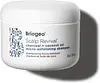 Key Ingredients
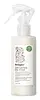
Benefits
Concerns
Ingredients Side-by-side
Water
Skin ConditioningSodium Lauroyl Methyl Isethionate
CleansingCocos Nucifera Oil
Masking








Glyceryl Stearate
Emollient
Glycerin
Humectant

Microcrystalline Cellulose
AbsorbentCocamidopropyl Betaine
Cleansing
Sodium Methyl Oleoyl Taurate
CleansingSodium Cocoyl Isethionate
Cleansing
Hydrogenated Castor Oil
Emollient
Lithium Magnesium Sodium Silicate
AbsorbentPanthenol
Skin Conditioning

Xylitylglucoside
Humectant
Charcoal Powder
Abrasive


Melaleuca Alternifolia Leaf Oil
Antioxidant

Mentha Piperita Oil
Masking

Zingiber Officinale Root Oil
Masking
Mentha Viridis Leaf Oil
Astringent
Anhydroxylitol
Humectant
Bisabolol
Antioxidant
Menthyl Lactate
Masking
Xylitol
Humectant
Polyquaternium-7
Pentaerythrityl Tetra-Di-T-Butyl Hydroxyhydrocinnamate
Antioxidant
Dehydroacetic Acid
Preservative
Benzyl Alcohol
Perfuming

Parfum
Masking
Citric Acid
Buffering

Sodium Hydroxide
BufferingWater, Sodium Lauroyl Methyl Isethionate, Cocos Nucifera Oil, Glyceryl Stearate, Glycerin, Microcrystalline Cellulose, Cocamidopropyl Betaine, Sodium Methyl Oleoyl Taurate, Sodium Cocoyl Isethionate, Hydrogenated Castor Oil, Lithium Magnesium Sodium Silicate, Panthenol, Xylitylglucoside, Charcoal Powder, Melaleuca Alternifolia Leaf Oil, Mentha Piperita Oil, Zingiber Officinale Root Oil, Mentha Viridis Leaf Oil, Anhydroxylitol, Bisabolol, Menthyl Lactate, Xylitol, Polyquaternium-7, Pentaerythrityl Tetra-Di-T-Butyl Hydroxyhydrocinnamate, Dehydroacetic Acid, Benzyl Alcohol, Parfum, Citric Acid, Sodium Hydroxide
Water
Skin ConditioningPolyglyceryl-6 Stearate
Emollient
Isopropyl Palmitate
Emollient
Vitis Vinifera Seed Oil
Emollient
Glycerin
Humectant
Limnanthes Alba Seed Oil
Skin Conditioning
Aloe Barbadensis Leaf Juice
Skin Conditioning
Avena Sativa Bran Extract
Abrasive
Camellia Sinensis Leaf Extract
Antimicrobial

Simmondsia Chinensis Seed Oil
Emollient
Cetrimonium Chloride
Antimicrobial
Cetearyl Alcohol
Emollient
Panthenol
Skin Conditioning
Leuconostoc/Radish Root Ferment Filtrate
Antimicrobial
Glyceryl Stearate
Emollient
Polyglyceryl-6 Behenate
Emulsion Stabilising
Tocopheryl Acetate
Antioxidant
Citric Acid
Buffering
Potassium Sorbate
Preservative
Sodium Benzoate
Masking
Caprylhydroxamic Acid
Benzyl Alcohol
Perfuming
Water, Polyglyceryl-6 Stearate, Isopropyl Palmitate, Vitis Vinifera Seed Oil, Glycerin, Limnanthes Alba Seed Oil, Aloe Barbadensis Leaf Juice, Avena Sativa Bran Extract, Camellia Sinensis Leaf Extract, Simmondsia Chinensis Seed Oil, Cetrimonium Chloride, Cetearyl Alcohol, Panthenol, Leuconostoc/Radish Root Ferment Filtrate, Glyceryl Stearate, Polyglyceryl-6 Behenate, Tocopheryl Acetate, Citric Acid, Potassium Sorbate, Sodium Benzoate, Caprylhydroxamic Acid, Benzyl Alcohol
Ingredients Explained
These ingredients are found in both products.
Ingredients higher up in an ingredient list are typically present in a larger amount.
Benzyl Alcohol is an aromatic alcohol with several roles: it's a preservative, solvent, and mild fragrance component with a floral scent.
This ingredient has been deemed safe for use in cosmetic formulations at concentrations up to 5%, and up to 10% in hair dyes. You'll typically see 0.5-2% in most rinse-off or leave-on products.
As a preservative, it works by disrupting the membrane of microbial proteins. This helps keep bacteria and fungi from growing in your products.
The sensitization picture is actually quite assuring as well:of nearly 71,000 patients patch tested with benzyl alcohol, only 0.21% showed a positive reaction with most of them being weakly positive.
This led researchers to conclude that benzyl alcohol cannot be regarded as a significant contact allergen.
It is worth noting this ingredient is classified as one of the EU's regulated fragrance allergens and restricted to 1% in finished products.
Labels must also declare it in concentrations above 0.001% in leave-on products and 0.01% in rinse-off products.
At concentrations around 5%, localized redness and itching can appear as a direct irritant response and not as a true allergic reaction.
Learn more about Benzyl AlcoholCitric Acid is an alpha hydroxy acid (AHA) naturally found in citrus fruits like oranges, lemons, and limes.
Like other AHAs, citric acid can exfoliate skin by breaking down the bonds that hold dead skin cells together. This helps reveal smoother and brighter skin underneath.
However, this exfoliating effect only happens at high concentrations (20%) which can be hard to find in cosmetic products.
Due to this, citric acid is usually included in small amounts as a pH adjuster. This helps keep products slightly more acidic and compatible with skin's natural pH.
In skincare formulas, citric acid can:
While it can provide some skin benefits, research shows lactic acid and glycolic acid are generally more effective and less irritating exfoliants.
Most citric acid used in skincare today is made by fermenting sugars (usually from molasses). This synthetic version is identical to the natural citrus form but easier to stabilize and use in formulations.
Read more about some other popular AHA's here:
Learn more about Citric AcidGlycerin (or glycerol) is a compound naturally found in your skin. It's a powerhouse humectant that pulls water into the stratum corneum.
Topically, glycerin does several things at once:
Your skin makes glycerin on its own (mostly from sebaceous oil breakdown) and shuttles it to your outermost layer of skin, or your epidermis, via aquaporin-3.
Aquaporin-3 is a transporter that is essential for normal skin hydration, elasticity, and repair. Interestingly, mice lacking in AQP3 have dry and less elastic skin that can be fully corrected with glycerin.
This ingredient is non-irritating, plays well with almost every ingredient, and works across all skin types. Typical use is anywhere between 3-10% but can go up to 79% in some leave-on products.
Just know very high concentrations (>40%) can feel tacky in low humidity.
Glycerin is the name for this ingredient in American English. British English uses Glycerol/Glycerine.
Learn more about GlycerinGlyceryl Stearate is made by reacting glycerin with stearic acid (typically sourced from plant oils like palm or coconut). It's an emulsifier, emollient, and mild occlusive.
Emulsifiers help ingredients like oil and water stay mixed so your formula stays nicely blended and uniform in texture.
This ingredient is typically used in concentrations between 1-10%. Studies have found it to be non-sensitizing, non-phototoxic, and non-photoallergenic.
A close cousin of this ingredient is Glyceryl Stearate SE ("self-emulsifying"). This just has a small amount of sodium or potassium stearate added so it can emulsify without a co-emulsifier.
Since this ingredient is an ester of a C18 fatty acid, it may not be fungal acne safe. The Malassezia yeast can potentially metabolize within the C11-C24 range.
Fun fact: The human body also creates Glyceryl Stearate naturally.
Learn more about Glyceryl StearatePanthenol is a common ingredient that helps hydrate and soothe the skin. It is found naturally in our skin and hair.
There are two forms of panthenol: D and L.
D-panthenol is also known as dexpanthenol. Most cosmetics use dexpanthenol or a mixture of D and L-panthenol.
Panthenol is famous due to its ability to go deeper into the skin's layers. Using this ingredient has numerous pros (and no cons):
Like hyaluronic acid, panthenol is a humectant. Humectants are able to bind and hold large amounts of water to keep skin hydrated.
This ingredient works well for wound healing. It works by increasing tissue in the wound and helps close open wounds.
Once oxidized, panthenol converts to pantothenic acid. Panthothenic acid is found in all living cells.
This ingredient is also referred to as pro-vitamin B5.
Learn more about PanthenolWater. It's the most common cosmetic ingredient of all. You'll usually see it at the top of ingredient lists, meaning that it makes up the largest part of the product.
So why is it so popular? Water most often acts as a solvent - this means that it helps dissolve other ingredients into the formulation.
You'll also recognize water as that liquid we all need to stay alive. If you see this, drink a glass of water. Remember to stay hydrated!
Learn more about Water

