

What's inside
What's inside
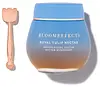 Key Ingredients
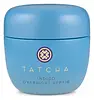
Benefits
Concerns
Ingredients Side-by-side
Glycerin
Humectant


Propanediol
Solvent
Caprylic/Capric Triglyceride
Masking
Sodium Acrylates Copolymer
Hydrogenated Polyisobutene
EmollientWater
Skin ConditioningPanthenol
Skin Conditioning

Phospholipids
Skin Conditioning
Leuconostoc/Radish Root Ferment Filtrate
Antimicrobial

Helianthus Annuus Seed Oil
Emollient
Polyglyceryl-10 Stearate
Skin Conditioning
3-O-Ethyl Ascorbic Acid
Skin Conditioning



Isosorbide Dicaprylate
Skin ConditioningBenzyl Alcohol
Perfuming






Cocodimonium Hydroxypropyl Silk Amino Acids
Skin ConditioningMarrubium Vulgare Meristem Cell Culture
Skin ProtectingButylene Glycol
Humectant
Caprylhydroxamic Acid
Hydrolyzed Verbascum Thapsus Flower
Antioxidant
Avena Sativa Meristem Cell Extract
HumectantSodium Gluconate
Skin ConditioningSodium Lactate
Buffering
Rumex Occidentalis Extract
Skin ConditioningNonapeptide-1
Skin Conditioning
Dextran
Xanthan Gum
EmulsifyingSodium Hyaluronate
Humectant

Phenethyl Alcohol
MaskingPotassium Sorbate
Preservative
Caprylyl Glycol
Emollient
Glycerin, Propanediol, Caprylic/Capric Triglyceride, Sodium Acrylates Copolymer, Hydrogenated Polyisobutene, Water, Panthenol, Phospholipids, Leuconostoc/Radish Root Ferment Filtrate, Helianthus Annuus Seed Oil, Polyglyceryl-10 Stearate, 3-O-Ethyl Ascorbic Acid, Isosorbide Dicaprylate, Benzyl Alcohol, Cocodimonium Hydroxypropyl Silk Amino Acids, Marrubium Vulgare Meristem Cell Culture, Butylene Glycol, Caprylhydroxamic Acid, Hydrolyzed Verbascum Thapsus Flower, Avena Sativa Meristem Cell Extract, Sodium Gluconate, Sodium Lactate, Rumex Occidentalis Extract, Nonapeptide-1, Dextran, Xanthan Gum, Sodium Hyaluronate, Phenethyl Alcohol, Potassium Sorbate, Caprylyl Glycol
Water
Skin ConditioningDimethicone
Emollient
Diglycerin
Humectant
Camellia Sinensis Leaf
Perfuming
Glycerin
Humectant
Diphenylsiloxy Phenyl Trimethicone
Skin Conditioning
Neopentyl Glycol Diethylhexanoate
Emollient
Butylene Glycol
Humectant
Diisostearyl Malate
EmollientPEG-10 Dimethicone
Skin Conditioning
Propanediol
Solvent
Disteardimonium Hectorite
StabilisingOphiopogon Japonicus Root Extract
Skin ConditioningIndigofera Tinctoria Leaf Extract
Skin ConditioningCeramide Ng
Skin Conditioning
Palmitic Acid
Emollient
Linoleic Acid
Cleansing
Sodium Hyaluronate
Humectant
Polygonum Tinctorium Leaf/Stem Extract
Skin ConditioningCetyl Alcohol
Emollient
Sucrose Stearate
EmollientSucrose Palmitate
EmollientMaltodextrin
Absorbent
Sargassum Vulgare Extract
Skin ConditioningSaccharomyces Ferment Filtrate
Humectant
Hydrolyzed Lagenaria Siceraria Fruit Juice
Skin ConditioningSalvia Miltiorrhiza Root Extract
Skin ConditioningTocopherol
Antioxidant
Lauryl PEG-9 Polydimethylsiloxyethyl Dimethicone
Skin Conditioning
Magnesium Sulfate
Hydrogenated Lecithin
Emulsifying
Phytosterols
Skin Conditioning
Ethylhexylglycerin
Skin ConditioningPhenoxyethanol
Preservative
Mica
Cosmetic ColorantCI 77891
Cosmetic ColorantWater, Dimethicone, Diglycerin, Camellia Sinensis Leaf, Glycerin, Diphenylsiloxy Phenyl Trimethicone, Neopentyl Glycol Diethylhexanoate, Butylene Glycol, Diisostearyl Malate, PEG-10 Dimethicone, Propanediol, Disteardimonium Hectorite, Ophiopogon Japonicus Root Extract, Indigofera Tinctoria Leaf Extract, Ceramide Ng, Palmitic Acid, Linoleic Acid, Sodium Hyaluronate, Polygonum Tinctorium Leaf/Stem Extract, Cetyl Alcohol, Sucrose Stearate, Sucrose Palmitate, Maltodextrin, Sargassum Vulgare Extract, Saccharomyces Ferment Filtrate, Hydrolyzed Lagenaria Siceraria Fruit Juice, Salvia Miltiorrhiza Root Extract, Tocopherol, Lauryl PEG-9 Polydimethylsiloxyethyl Dimethicone, Magnesium Sulfate, Hydrogenated Lecithin, Phytosterols, Ethylhexylglycerin, Phenoxyethanol, Mica, CI 77891
Reviews
Ingredients Explained
These ingredients are found in both products.
Ingredients higher up in an ingredient list are typically present in a larger amount.
Butylene Glycol (or BG) is used within cosmetic products for a few different reasons:
Overall, Butylene Glycol is a safe and well-rounded ingredient that works well with other ingredients.
Though this ingredient works well with most skin types, some people with sensitive skin may experience a reaction such as allergic rashes, closed comedones, or itchiness.
Learn more about Butylene GlycolGlycerin (or glycerol) is a compound naturally found in your skin. It's a powerhouse humectant that pulls water into the stratum corneum.
Topically, glycerin does several things at once:
Your skin makes glycerin on its own (mostly from sebaceous oil breakdown) and shuttles it to your outermost layer of skin, or your epidermis, via aquaporin-3.
Aquaporin-3 is a transporter that is essential for normal skin hydration, elasticity, and repair. Interestingly, mice lacking in AQP3 have dry and less elastic skin that can be fully corrected with glycerin.
This ingredient is non-irritating, plays well with almost every ingredient, and works across all skin types. Typical use is anywhere between 3-10% but can go up to 79% in some leave-on products.
Just know very high concentrations (>40%) can feel tacky in low humidity.
Glycerin is the name for this ingredient in American English. British English uses Glycerol/Glycerine.
Learn more about GlycerinPropanediol is an all-star ingredient. It softens, hydrates, and smooths the skin.
It’s often used to:
Propanediol is not likely to cause sensitivity and considered safe to use. It is derived from corn or petroleum with a clear color and no scent.
Learn more about PropanediolSodium Hyaluronate is the salt form of hyaluronic acid. It is a long sugar chain that is naturally found in your skin, joints, and connective tissue that maintains hydration and elasticity.
In skincare, it works as a humectant. It pulls water from the environment and deeper layers of skin and binds it to the surface.
Interestingly, the size of the molecule affects its behavior:
Some clinical evidence links low molecular weight versions to improved wrinkle depth, elasticity, anti-inflammatory effects, and barrier repair.
Many serums use a blend of both weights so you can get surface hydration plus longer-lasting and deeper effects.
You'll typically see concentrations between 0.1-2% for this ingredient.
Learn more about Sodium HyaluronateWater. It's the most common cosmetic ingredient of all. You'll usually see it at the top of ingredient lists, meaning that it makes up the largest part of the product.
So why is it so popular? Water most often acts as a solvent - this means that it helps dissolve other ingredients into the formulation.
You'll also recognize water as that liquid we all need to stay alive. If you see this, drink a glass of water. Remember to stay hydrated!
Learn more about Water

