

What's inside
What's inside
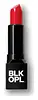 Key Ingredients
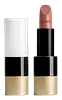
Benefits
Concerns
Ingredients Side-by-side
Hydrogenated Polyisobutene
EmollientOctyldodecanol
Emollient
Polyethylene
Abrasive

Microcrystalline Wax
Emulsion StabilisingCetyl Lactate
EmollientEuphorbia Cerifera Wax


Aluminum Starch Octenylsuccinate
Absorbent
Ceresin
Emulsion StabilisingSilica
Abrasive
Kaolin
Abrasive
Hydrogenated Castor Oil
Emollient

Tocopherol
Antioxidant






Tocopheryl Acetate
Antioxidant
Ascorbyl Palmitate
Antioxidant

Helianthus Annuus Seed Oil Unsaponifiables
Emollient
Pentaerythrityl Tetra-Di-T-Butyl Hydroxyhydrocinnamate
Antioxidant
Water
Skin ConditioningLecithin
Emollient
Squalane
Emollient
Sorbitan Oleate
Emulsifying
Disteardimonium Hectorite
StabilisingOctyldodecyl Neopentanoate
EmollientPropylene Carbonate
SolventHydrogenated Polycyclopentadiene
Calcium Sodium Borosilicate
Synthetic Fluorphlogopite
Calcium Aluminum Borosilicate
Polyethylene Terephthalate
Acrylates Copolymer
Tin Oxide
Abrasive
Caprylyl Glycol
Emollient
Parfum
Masking


Mica
Cosmetic ColorantCI 77891
Cosmetic ColorantIron Oxides
CI 77163
Cosmetic Colorant
CI 75470
Cosmetic ColorantCI 77742
Cosmetic ColorantCI 15850
Cosmetic ColorantCI 45380
Cosmetic ColorantCI 45410
Cosmetic ColorantCI 73360
Cosmetic ColorantCI 17200
Cosmetic ColorantCI 45370
Cosmetic ColorantCI 19140
Cosmetic ColorantCI 15985
Cosmetic ColorantCI 42090
Cosmetic ColorantHydrogenated Polyisobutene, Octyldodecanol, Polyethylene, Microcrystalline Wax, Cetyl Lactate, Euphorbia Cerifera Wax, Aluminum Starch Octenylsuccinate, Ceresin, Silica, Kaolin, Hydrogenated Castor Oil, Tocopherol, Tocopheryl Acetate, Ascorbyl Palmitate, Helianthus Annuus Seed Oil Unsaponifiables, Pentaerythrityl Tetra-Di-T-Butyl Hydroxyhydrocinnamate, Water, Lecithin, Squalane, Sorbitan Oleate, Disteardimonium Hectorite, Octyldodecyl Neopentanoate, Propylene Carbonate, Hydrogenated Polycyclopentadiene, Calcium Sodium Borosilicate, Synthetic Fluorphlogopite, Calcium Aluminum Borosilicate, Polyethylene Terephthalate, Acrylates Copolymer, Tin Oxide, Caprylyl Glycol, Parfum, Mica, CI 77891, Iron Oxides, CI 77163, CI 75470, CI 77742, CI 15850, CI 45380, CI 45410, CI 73360, CI 17200, CI 45370, CI 19140, CI 15985, CI 42090
Polyglyceryl-2 Triisostearate
Emulsifying
Hydrogenated Polyisobutene
EmollientHydrogenated Polydecene
EmollientEthylhexyl Palmitate
Emollient
Polyethylene
Abrasive
Euphorbia Cerifera Cera
Astringent
Ozokerite
Emulsion StabilisingDicalcium Phosphate
Abrasive
Mica
Cosmetic ColorantCalcium Sodium Borosilicate
Caprylic/Capric Triglyceride
Masking
Parfum
Masking
Dipalmitoyl Hydroxyproline
Skin Conditioning
Disteardimonium Hectorite
StabilisingLecithin
Emollient
Crambe Abyssinica Seed Oil
Skin Conditioning
Tocopherol
Antioxidant
Ascorbyl Palmitate
Antioxidant
Morus Alba Bark Extract
Skin ConditioningPhytosterols
Skin Conditioning
Oleyl Alcohol
Emollient
Benzyl Alcohol
Perfuming


Citric Acid
Buffering
Tin Oxide
Abrasive
CI 77491
Cosmetic ColorantCI 77891
Cosmetic ColorantPolyglyceryl-2 Triisostearate, Hydrogenated Polyisobutene, Hydrogenated Polydecene, Ethylhexyl Palmitate, Polyethylene, Euphorbia Cerifera Cera, Ozokerite, Dicalcium Phosphate, Mica, Calcium Sodium Borosilicate, Caprylic/Capric Triglyceride, Parfum, Dipalmitoyl Hydroxyproline, Disteardimonium Hectorite, Lecithin, Crambe Abyssinica Seed Oil, Tocopherol, Ascorbyl Palmitate, Morus Alba Bark Extract, Phytosterols, Oleyl Alcohol, Benzyl Alcohol, Citric Acid, Tin Oxide, CI 77491, CI 77891
Ingredients Explained
These ingredients are found in both products.
Ingredients higher up in an ingredient list are typically present in a larger amount.
Ascorbyl Palmitate is a fat-soluble form of vitamin C (Ascorbic Acid) made by combining it with palmitic acid.
It is able to blend easily into creams and oil-based formulas because it dissolves in oils rather than water.
As you may know, regular vitamin C is notorious for breaking down when exposed to sunlight and air. Ascorbyl Palmitate is more stable and degrades at a slower rate.
Research on whether it converts efficiently into active vitamin C once it's applied on your skin is still limited.
Some in-vitro studies suggest it may support collagen production, but it is not considered one of the stronger vitamin C derivatives, like:
Due to the palmitic acid base, this ingredient may not be fungal acne safe. Comedogenic studies have also shown this ingredient to have a rating of 2.
It's also worth keeping in mind that comedogenic and irritancy ratings are tested on individual ingredients, not finished formulas. The final product's formulation, concentration, and other ingredients all play a role in how something actually behaves on your skin.
Learn more about Ascorbyl PalmitateCalcium Sodium Borosilicate is a bulking agent. It is considered a borosilicate glass; it is composed of powder or flakes of calcium and sodium borosilicates.
This ingredient is used to add volume, shine, and color to products. You'll most likely find this ingredient in makeup products.
According to in-vivo and ex-vivo studies done by a manufacturer, this ingredient works well with UV filters:
Learn more about Calcium Sodium BorosilicateCi 77891 is a white pigment from Titanium dioxide. It is naturally found in minerals such as rutile and ilmenite.
It's main function is to add a white color to cosmetics. It can also be mixed with other colors to create different shades.
Ci 77891 is commonly found in sunscreens due to its ability to block UV rays.
Learn more about CI 77891Disteardimonium Hectorite comes from the clay mineral named hectorite. It is used to add thickness to a product.
It can also help stabilize a product by helping to disperse other ingredients.
Hectorite is a rare, white clay mineral.
Learn more about Disteardimonium HectoriteHydrogenated Polyisobutene is a synthetic polymer. Polymers are compounds with high molecular weight. Hydrogenated Polyisobutene is an emollient and texture enhancer.
In one study, Hydrogenated Polyisobutene showed better skin hydration levels than Caprylic/Capric Triglyceride. As an emollient, it helps keep your skin soft and hydrated by trapping moisture in.
Hydrogenated Polyisobutene is often used as a mineral oil replacement.
Learn more about Hydrogenated PolyisobuteneLecithin is a term for a group of substances found in the cell membranes of plants, animals, and humans. They are made up of phospholipids.
Thanks to its amphiphilic structure (water-loving head and oil-loving tail), it is a true multitasker:
It plays well with most ingredients and is typically used at 0.1-1%. However, concentrations up to 50% have been reported in moisturizers.
Learn more about LecithinMica is a naturally occurring mineral used to add shimmer and color in cosmetics. It can also help improve the texture of a product or give it an opaque, white/silver color.
Serecite is the name for very fine but ragged grains of mica.
This ingredient is often coated with metal oxides like titanium dioxide. Trace amounts of heavy metals may be found in mica, but these metals are not harmful in our personal products.
Mica has been used since prehistoric times throughout the world. Ancient Egyptian, Indian, Greek, Roman, Aztec, and Chinese civilizations have used mica.
Learn more about MicaParfum is a catch-all term for an ingredient or more that is used to give a scent to products.
Also called "fragrance", this ingredient can be a blend of hundreds of chemicals or plant oils. This means every product with "fragrance" or "parfum" in the ingredients list is a different mixture.
For instance, Habanolide is a proprietary trade name for a specific aroma chemical. When used as a fragrance ingredient in cosmetics, most aroma chemicals fall under the broad labeling category of “FRAGRANCE” or “PARFUM” according to EU and US regulations.
The term 'parfum' or 'fragrance' is not regulated in many countries. In many cases, it is up to the brand to define this term.
For instance, many brands choose to label themselves as "fragrance-free" because they are not using synthetic fragrances. However, their products may still contain ingredients such as essential oils that are considered a fragrance by INCI standards.
One example is Calendula flower extract. Calendula is an essential oil that still imparts a scent or 'fragrance'.
Depending on the blend, the ingredients in the mixture can cause allergies and sensitivities on the skin. Some ingredients that are known EU allergens include linalool and citronellol.
Parfum can also be used to mask or cover an unpleasant scent.
The bottom line is: not all fragrances/parfum/ingredients are created equally. If you are worried about fragrances, we recommend taking a closer look at an ingredient. And of course, we always recommend speaking with a professional.
Learn more about ParfumPolyethylene is a synthetic ingredient that helps the skin retain moisture. It is a polymer.
It is also typically used within product formulations to help bind solid ingredients together and thicken oil-based ingredients. When added to balms and emulsions, it helps increase the melting point temperature.
Tin Oxide is an inorganic oxide used to add opacity and volume to a product. In nature, it is already found in mineral form. The main ore of tin is an opaque and shiny mineral called casseterite.
Tin Oxide helps remove translucency in a product, or make it more opaque. Besides adding opacity, tin oxide is used for bulking to add volume.
Tocopherol is a fat-soluble antioxidant known as Vitamin E.
You'll find this ingredient in the vast majority of skincare (for good reason). It works to neutralize free radicals, or unstable molecules generated by UV exposure, pollution, and other environmental stressors, before they can cause oxidative damage to your skin cells.
Topically applied tocopherol has been shown to protect against UV damage by ramping up the skin's own natural defense enzymes.
It also acts as a skin conditioning agent; some studies show that regular topical use can improve the skin's water-binding capacity over 2-4 weeks.
This ingredient is especially loved for being a team player. When combined with Vitamin C, the photoprotective effect of both ingredients roughly doubles and the combo also helps reduce UV-induced DNA damage.
This ingredient has some brightening potential but it's more of a prevention ingredient than spot-fader. Cell studies show it can slow down melanin production but it's worth noting that it's not the most powerful brightener out there.
In formulations, it also serves as a stabilizer that helps protect other oxidation-prone ingredients from degrading.
Concentrations usually range from 0.1-1% in most leave-on products.
Learn more about Tocopherol

