
What's inside
What's inside
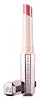 Key Ingredients
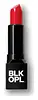
Benefits
Concerns
Ingredients Side-by-side
Octyldodecanol
Emollient
Polyethylene
Abrasive

Euphorbia Cerifera Cera
Astringent

Aluminum Starch Octenylsuccinate
Absorbent
Silica
Abrasive
Cera Microcristallina
Emulsion StabilisingIsodecyl Neopentanoate
EmollientHydrogenated Polycyclopentadiene
Isohexadecane
EmollientIsononyl Isononanoate
EmollientMica
Cosmetic ColorantLecithin
Emollient

Polyglyceryl-3 Diisostearate
Emulsifying

Polymethyl Methacrylate
Dimethicone/Bis-Isobutyl PPG-20 Crosspolymer
Emollient
Tocopherol
Antioxidant





Tocopheryl Acetate
Antioxidant
Tetrahexyldecyl Ascorbate
Antioxidant


Passiflora Edulis Seed Oil
Emollient
Copernicia Cerifera Cera
Emollient
Water
Skin ConditioningDisteardimonium Hectorite
StabilisingOctyldodecyl Neopentanoate
EmollientPropylene Carbonate
SolventSodium Hyaluronate
Humectant
Caprylyl Glycol
Emollient
Calcium Sodium Borosilicate
Synthetic Fluorphlogopite
Calcium Aluminum Borosilicate
Polyethylene Terephthalate
Acrylates Copolymer
Tin Oxide
Abrasive
CI 15850
Cosmetic ColorantCI 45410
Cosmetic ColorantCI 19140
Cosmetic ColorantCI 77891
Cosmetic ColorantCI 42090
Cosmetic ColorantCI 77499
Cosmetic ColorantCI 77492
Cosmetic ColorantCI 77491
Cosmetic ColorantCI 15985
Cosmetic ColorantOctyldodecanol, Polyethylene, Euphorbia Cerifera Cera, Aluminum Starch Octenylsuccinate, Silica, Cera Microcristallina, Isodecyl Neopentanoate, Hydrogenated Polycyclopentadiene, Isohexadecane, Isononyl Isononanoate, Mica, Lecithin, Polyglyceryl-3 Diisostearate, Polymethyl Methacrylate, Dimethicone/Bis-Isobutyl PPG-20 Crosspolymer, Tocopherol, Tocopheryl Acetate, Tetrahexyldecyl Ascorbate, Passiflora Edulis Seed Oil, Copernicia Cerifera Cera, Water, Disteardimonium Hectorite, Octyldodecyl Neopentanoate, Propylene Carbonate, Sodium Hyaluronate, Caprylyl Glycol, Calcium Sodium Borosilicate, Synthetic Fluorphlogopite, Calcium Aluminum Borosilicate, Polyethylene Terephthalate, Acrylates Copolymer, Tin Oxide, CI 15850, CI 45410, CI 19140, CI 77891, CI 42090, CI 77499, CI 77492, CI 77491, CI 15985
Hydrogenated Polyisobutene
EmollientOctyldodecanol
Emollient
Polyethylene
Abrasive
Microcrystalline Wax
Emulsion StabilisingCetyl Lactate
EmollientEuphorbia Cerifera Wax
Aluminum Starch Octenylsuccinate
Absorbent
Ceresin
Emulsion StabilisingSilica
Abrasive
Kaolin
Abrasive
Hydrogenated Castor Oil
Emollient
Tocopherol
Antioxidant
Tocopheryl Acetate
Antioxidant
Ascorbyl Palmitate
Antioxidant
Helianthus Annuus Seed Oil Unsaponifiables
Emollient
Pentaerythrityl Tetra-Di-T-Butyl Hydroxyhydrocinnamate
Antioxidant
Water
Skin ConditioningLecithin
Emollient
Squalane
Emollient
Sorbitan Oleate
Emulsifying
Disteardimonium Hectorite
StabilisingOctyldodecyl Neopentanoate
EmollientPropylene Carbonate
SolventHydrogenated Polycyclopentadiene
Calcium Sodium Borosilicate
Synthetic Fluorphlogopite
Calcium Aluminum Borosilicate
Polyethylene Terephthalate
Acrylates Copolymer
Tin Oxide
Abrasive
Caprylyl Glycol
Emollient
Parfum
Masking


Mica
Cosmetic ColorantCI 77891
Cosmetic ColorantIron Oxides
CI 77163
Cosmetic Colorant
CI 75470
Cosmetic ColorantCI 77742
Cosmetic ColorantCI 15850
Cosmetic ColorantCI 45380
Cosmetic ColorantCI 45410
Cosmetic ColorantCI 73360
Cosmetic ColorantCI 17200
Cosmetic ColorantCI 45370
Cosmetic ColorantCI 19140
Cosmetic ColorantCI 15985
Cosmetic ColorantCI 42090
Cosmetic ColorantHydrogenated Polyisobutene, Octyldodecanol, Polyethylene, Microcrystalline Wax, Cetyl Lactate, Euphorbia Cerifera Wax, Aluminum Starch Octenylsuccinate, Ceresin, Silica, Kaolin, Hydrogenated Castor Oil, Tocopherol, Tocopheryl Acetate, Ascorbyl Palmitate, Helianthus Annuus Seed Oil Unsaponifiables, Pentaerythrityl Tetra-Di-T-Butyl Hydroxyhydrocinnamate, Water, Lecithin, Squalane, Sorbitan Oleate, Disteardimonium Hectorite, Octyldodecyl Neopentanoate, Propylene Carbonate, Hydrogenated Polycyclopentadiene, Calcium Sodium Borosilicate, Synthetic Fluorphlogopite, Calcium Aluminum Borosilicate, Polyethylene Terephthalate, Acrylates Copolymer, Tin Oxide, Caprylyl Glycol, Parfum, Mica, CI 77891, Iron Oxides, CI 77163, CI 75470, CI 77742, CI 15850, CI 45380, CI 45410, CI 73360, CI 17200, CI 45370, CI 19140, CI 15985, CI 42090
Ingredients Explained
These ingredients are found in both products.
Ingredients higher up in an ingredient list are typically present in a larger amount.
Acrylates Copolymer is used as a film-forming agent and texture enhancer.
After applied, Acrylates Copolymer forms a thin film cover that helps skin feel more soft. It can help sunscreens become more water-resistant.
It is also used to make a product more thick.
Learn more about Acrylates CopolymerAluminum Starch Octenylsuccinate is a synthetic powder used as an absorbent, thickener, and anti-caking agent.
As an absorbent, it is great at mattifying skin by soaking up the oil. This is why you'll find it in a range of products from makeup to moisturizers.
This ingredient is considered a modified starch. Starch can also be found naturally in plants.
One study from 1991 found that 5% of this ingredient enhanced titanium dioxide SPF by as much as 40%. The study found 1% titanium dioxide had a 5.6 SPF and adding 5% of aluminum starch octenylsuccinate boosted it to an SPF of 8.1
Although “aluminum” in an ingredient name can raise red flags for some consumers, the form and usage context matter significantly. For typical topical applications, there is no substantial evidence of health risks - such as cancer, neurotoxicity, or systemic “aluminum overload.”
Learn more about Aluminum Starch OctenylsuccinateCalcium Aluminum Borosilicate is made up of calcium, aluminum, and silicates. It is a glass-like material. In cosmetics, it comes in the form of flakes or microspheres.
Calcium aluminum borosilicate is a bulking agent, meaning it helps thicken a product.
This ingredient is created by slowly mixing several minerals, including kaolin clay.
Although “aluminum” in an ingredient name can raise red flags for some consumers, the form and usage context matter significantly. For typical topical applications, there is no substantial evidence of health risks - such as cancer, neurotoxicity, or systemic “aluminum overload.”
Learn more about Calcium Aluminum BorosilicateCalcium Sodium Borosilicate is a bulking agent. It is considered a borosilicate glass; it is composed of powder or flakes of calcium and sodium borosilicates.
This ingredient is used to add volume, shine, and color to products. You'll most likely find this ingredient in makeup products.
According to in-vivo and ex-vivo studies done by a manufacturer, this ingredient works well with UV filters:
Learn more about Calcium Sodium BorosilicateCaprylyl Glycol is a humectant, skin conditioner, emollient, and preservative booster derived from either caprylic acid or synthetically created.
Typical use levels vary from 0.3-1% as a preservative booster and go up to 2% to condition skin.
Because it is not a free-fatty acid, this ingredient is fungal acne safe (there's nothing for Malassezia to feed on).
Learn more about Caprylyl GlycolCi 15850 is the pigment color red. It is an azo dye and created synthetically.
Azo dyes need to be thoroughly purified before use. This allows them to be more stable and longer-lasting.
This ingredient is common in foundations, lipsticks, and blushes. This color is described as brown/orangey red.
It has many secondary names such as Red 6 and Red 7. According to a manufacturer, Red 6 usually contains aluminum.
Learn more about CI 15850Ci 15985 is a dye made from petroleum. It is synthetically created and approved by the FDA for use in foods and cosmetics.
The color of this dye is orange/yellow.
This ingredient can be found in makeup, sun care, and skincare.
Learn more about CI 15985CI 19140 is also known as Tartrazine. Tartrazine is a synthetic dye used in cosmetics, foods, and medicine to add a yellow color.
Tartrazine is created from petroleum and is water-soluble.
Some people may experience allergies from this dye, especially asthmatics and those with an aspirin intolerance.
Learn more about CI 19140Ci 42090 is a synthetic dye created from petroleum. It is used to give a bright blue color to cosmetics, medicine, and food.
CI 45410 is a synthetic red-pigment and dye.
It often goes by both Red 28 or Red 27; manufacturers label both ingredients as CI 45410.
This dye is commonly found in makeup because it imparts a vivid color. Some types of this dye change color based on pH level and interaction with moisture:
Your skin has a natural pH of around 4.5 - 5.5.
According to the FDA, CI 45410 is not permitted for use in eye products.
Red 27 is a flourescein dye and commonly used as a fluorescent tracer in medicine.
Learn more about CI 45410Ci 77891 is a white pigment from Titanium dioxide. It is naturally found in minerals such as rutile and ilmenite.
It's main function is to add a white color to cosmetics. It can also be mixed with other colors to create different shades.
Ci 77891 is commonly found in sunscreens due to its ability to block UV rays.
Learn more about CI 77891Disteardimonium Hectorite comes from the clay mineral named hectorite. It is used to add thickness to a product.
It can also help stabilize a product by helping to disperse other ingredients.
Hectorite is a rare, white clay mineral.
Learn more about Disteardimonium HectoriteWe don't have a description for Hydrogenated Polycyclopentadiene yet.
Lecithin is a term for a group of substances found in the cell membranes of plants, animals, and humans. They are made up of phospholipids.
Thanks to its amphiphilic structure (water-loving head and oil-loving tail), it is a true multitasker:
It plays well with most ingredients and is typically used at 0.1-1%. However, concentrations up to 50% have been reported in moisturizers.
Learn more about LecithinMica is a naturally occurring mineral used to add shimmer and color in cosmetics. It can also help improve the texture of a product or give it an opaque, white/silver color.
Serecite is the name for very fine but ragged grains of mica.
This ingredient is often coated with metal oxides like titanium dioxide. Trace amounts of heavy metals may be found in mica, but these metals are not harmful in our personal products.
Mica has been used since prehistoric times throughout the world. Ancient Egyptian, Indian, Greek, Roman, Aztec, and Chinese civilizations have used mica.
Learn more about MicaOctyldodecanol is a fatty alcohol sourced from plant oils like coconut or palm (or made synthetically).
It is:
You'll likely see this in many BHA products because this is the go-to solvent for salicylic acid.
This ingredient is typically used at levels between 2-20%.
Regarding fungal acne:
In 2019, this ingredient was tested against multiple Malassezia species (the yeast that causes fungal acne) and showed no growth.
We don't have a description for Octyldodecyl Neopentanoate yet.
Polyethylene is a synthetic ingredient that helps the skin retain moisture. It is a polymer.
It is also typically used within product formulations to help bind solid ingredients together and thicken oil-based ingredients. When added to balms and emulsions, it helps increase the melting point temperature.
We don't have a description for Polyethylene Terephthalate yet.
This ingredient is a solvent. It helps dissolve active ingredients and alter the texture of products.
Propylene Carbonate is commonly used in makeup and with clay, such as montmorillonite or bentonite.
Studies show this ingredient to be safe for cosmetics. When it is undiluted, it can cause skin irritation. (It is always diluted in skincare and makeup). This ingredient is water-soluble.
Propylene Carbonate is created from propylene glycol and carbonic acid.
Learn more about Propylene CarbonateSilica, also known as silicon dioxide, is a naturally occurring mineral. It is used as a fine, spherical, and porous powder in cosmetics.
Though it has exfoliant properties, the function of silica varies depending on the product.
The unique structure of silica enhances the spreadability and adds smoothness, making it a great texture enhancer.
It is also used as an active carrier, emulsifier, and mattifier due to its ability to absorb excess oil.
In some products, tiny microneedles called spicules are made from silica or hydrolyzed sponge. When you rub them in, they lightly polish away dead skin layers and enhance the penetration of active ingredients.
Learn more about SilicaSynthetic Fluorphlogopite is the synthethic version of mica. It consists of fluorine, aluminum and silicate.
Synthetic Fluorphlogopite is used to add volume to products.
It is considered non-irritating on the skin.
Learn more about Synthetic FluorphlogopiteTin Oxide is an inorganic oxide used to add opacity and volume to a product. In nature, it is already found in mineral form. The main ore of tin is an opaque and shiny mineral called casseterite.
Tin Oxide helps remove translucency in a product, or make it more opaque. Besides adding opacity, tin oxide is used for bulking to add volume.
Tocopherol is a fat-soluble antioxidant known as Vitamin E.
You'll find this ingredient in the vast majority of skincare (for good reason). It works to neutralize free radicals, or unstable molecules generated by UV exposure, pollution, and other environmental stressors, before they can cause oxidative damage to your skin cells.
Topically applied tocopherol has been shown to protect against UV damage by ramping up the skin's own natural defense enzymes.
It also acts as a skin conditioning agent; some studies show that regular topical use can improve the skin's water-binding capacity over 2-4 weeks.
This ingredient is especially loved for being a team player. When combined with Vitamin C, the photoprotective effect of both ingredients roughly doubles and the combo also helps reduce UV-induced DNA damage.
This ingredient has some brightening potential but it's more of a prevention ingredient than spot-fader. Cell studies show it can slow down melanin production but it's worth noting that it's not the most powerful brightener out there.
In formulations, it also serves as a stabilizer that helps protect other oxidation-prone ingredients from degrading.
Concentrations usually range from 0.1-1% in most leave-on products.
Learn more about TocopherolTocopheryl Acetate is a stable, shelf-friendly form of vitamin E.
Formulators love it because plain vitamin E oxidizes quickly once it hits air. This acetate version stays stable and resists going off, helping to extend a product's shelf life.
It's actually inactive on its own and works like a slow-release "storage" form; the enzymes in your skin called esterases gradually convert it into active vitamin E over time.
One in vivo study showed 5% of the acetate in the living layer of the epidermis converted to vitamin E after 5 days of application. This study also found the skin gained protection against UV damage even though the conversion was slow and small.
Once converted, vitamin E acts as a skin's main fat-soluble antioxidant that fights free radicals to protect skin from damage.
Topical vitamin E generally boosts the skin's photoprotection, and it reduced UV-damage in animal models.
This ingredient has some brightening potential but it's more of a prevention ingredient than spot-fader. Cell studies show it can slow down melanin production but it's worth noting that it's not the most powerful brightener out there.
Overall, it has a pretty solid safety profile and has been found to be non-irritating and non-comedogenic. Allergic reactions may happen but stay rare due to how widely the ingredient gets used.
The concentration will vary depending on the formula; industry data shows 0.1% in baby lotions, 3% in lipsticks, and 5% in foot powders. You can also find this ingredient at 100% in a pure vitamin E oil.
Most leave-on skincare keeps it at the lower end, often between 0.5-1%.
Learn more about Tocopheryl AcetateWater. It's the most common cosmetic ingredient of all. You'll usually see it at the top of ingredient lists, meaning that it makes up the largest part of the product.
So why is it so popular? Water most often acts as a solvent - this means that it helps dissolve other ingredients into the formulation.
You'll also recognize water as that liquid we all need to stay alive. If you see this, drink a glass of water. Remember to stay hydrated!
Learn more about Water

