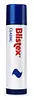
This barrier-repair lip moisturizer is formulated around Cera Alba and Simmondsia Chinensis Seed Oil to strengthen the lip barrier and hydrate lips.
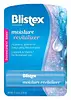
This barrier-repair lip moisturizer is formulated around Petrolatum and Ceramide Ng to strengthen the lip barrier and hydrate lips.

What's inside
What's inside
 Key Ingredients
Benefits
Concerns
Ingredients Side-by-side
Hydrogenated Coconut Oil
Emollient






Cera Alba
Emollient
Ethylhexyl Methoxycinnamate
UV Absorber


Simmondsia Chinensis Seed Oil
Emollient

Helianthus Annuus Seed Oil
Emollient
Canola Oil
Emollient
Jojoba Esters
Emollient
Tocopheryl Acetate
Antioxidant


Dimethicone
Emollient
Chamomilla Recutita Flower Extract
Masking

Phenoxyethanol
Preservative
Isopropyl Myristate
Emollient
Vanillin
Masking
Aloe Barbadensis Leaf Juice
Skin Conditioning
Saccharin
MaskingAlumina
Abrasive
Polyhydroxystearic Acid
Emulsifying
Silica
Abrasive

BHT
Antioxidant
CI 77891
Cosmetic ColorantHydrogenated Coconut Oil, Cera Alba, Ethylhexyl Methoxycinnamate, Simmondsia Chinensis Seed Oil, Helianthus Annuus Seed Oil, Canola Oil, Jojoba Esters, Tocopheryl Acetate, Dimethicone, Chamomilla Recutita Flower Extract, Phenoxyethanol, Isopropyl Myristate, Vanillin, Aloe Barbadensis Leaf Juice, Saccharin, Alumina, Polyhydroxystearic Acid, Silica, BHT, CI 77891
Tridecyl Neopentanoate
EmollientOzokerite
Emulsion StabilisingIsopropyl Myristate
Emollient
Microcrystalline Wax
Emulsion StabilisingMyristyl Myristate
Emollient
Polybutene
Dimethicone
Emollient
Ethylhexyl Palmitate
Emollient
Petrolatum
Emollient
Ethylhexyl Stearate
Emollient
Alumina
Abrasive
Butylene Glycol
Humectant
C12-15 Alkyl Benzoate
AntimicrobialCaprylic/Capric Triglyceride
Masking
Ceramide Ng
Skin Conditioning

Diethylhexyl Adipate
EmollientAroma


Linoleic Acid
Cleansing
Linolenic Acid
Cleansing
Palmitoyl Hexapeptide-12
Skin Conditioning
Phenoxyethanol
Preservative
Polyhydroxystearic Acid
Emulsifying
Saccharin
MaskingSilica Dimethyl Silylate
EmollientSodium Hyaluronate
Humectant
Sorbic Acid
Preservative
Stearic Acid
Cleansing
Tocopherol
Antioxidant
Tocopheryl Acetate
Antioxidant
Tribehenin
Emollient
Titanium Dioxide
Cosmetic Colorant
Tridecyl Neopentanoate, Ozokerite, Isopropyl Myristate, Microcrystalline Wax, Myristyl Myristate, Polybutene, Dimethicone, Ethylhexyl Palmitate, Petrolatum, Ethylhexyl Stearate, Alumina, Butylene Glycol, C12-15 Alkyl Benzoate, Caprylic/Capric Triglyceride, Ceramide Ng, Diethylhexyl Adipate, Aroma, Linoleic Acid, Linolenic Acid, Palmitoyl Hexapeptide-12, Phenoxyethanol, Polyhydroxystearic Acid, Saccharin, Silica Dimethyl Silylate, Sodium Hyaluronate, Sorbic Acid, Stearic Acid, Tocopherol, Tocopheryl Acetate, Tribehenin, Titanium Dioxide
Ingredients Explained
These ingredients are found in both products.
Ingredients higher up in an ingredient list are typically present in a larger amount.
Alumina (aka aluminum oxide) is an inorganic mineral powder refined from bauxite that works as a quiet workhorse in a formula.
It shows up often as an abrasive, absorbent, anticaking, bulking, and viscosity-controlling agent.
One of its most common jobs is acting as a pigment carrier and dispersant.
Alumina platelets are often blended with inorganic sunscreens like Titanium Dioxide (or with colorants) and then coated with a silicone such as Triethoxycaprylylsilane so the pigment spreads evenly and smoothly.
In makeup, it can also double as a light-diffusing powder or oil absorber to keep formulas from looking greasy.
The Cosmetic Ingredient Review Expert Panel has concluded alumina to be safe in present practices of use and concentration.
They note it's a stable, oxidized compound and scientific research has failed to establish links to health issues.
Concentrations vary depending on the product:
Learn more about AluminaDimethicone is a type of synthetic silicone created from natural materials such as quartz. It is also known as polydimethylsiloxane.
What it does:
Dimethicone comes in different viscosities:
Depending on the viscosity, dimethicone has different properties.
Ingredients lists don't always show which type is used, so we recommend reaching out to the brand if you have questions about the viscosity.
This ingredient is unlikely to cause irritation because it does not get absorbed into skin. However, people with silicone allergies should be careful about using this ingredient.
Note: Dimethicone may contribute to pilling. This is because it is not oil or water soluble, so pilling may occur when layered with products. When mixed with heavy oils in a formula, the outcome is also quite greasy.
Learn more about DimethiconeIsopropyl Myristate is an ester made by combining isopropyl alcohol with myristic acid.
It is primarily an emollient and penetration enhancer that gives products a lightweight, silky feel without the heaviness of oils.
This ingredient is generally considered non-toxic, non-irritating, and has low absorption potential.
This ingredient does have a comedogenic rating of 3-5, but this doesn't mean a formula with this ingredient will clog pores.
Dermatologist Dr. Zoe Draelos has also confirmed in a peer-reviewed paper that products containing comedogenic ingredients are not necessarily comedogenic themselves.
A small subset of people (~2%) may experience contact sensitivity so patch testing is a reasonable idea if you have reactive skin.
Since this ingredient is an ester of myristic acid (a C14 fatty acid), it falls within the carbon chain range that is known to feed Malassezia. This ingredient may not be fungal acne safe.
Learn more about Isopropyl MyristatePhenoxyethanol is one of the most widely used preservatives in skincare (and for good reason!).
It has a large spectrum of antimicrobial activity and especially effective bacteria, yeast, and mold while only having a weak effect on your skin's natural microbiome.
On a cellular level, it disrupts the cell membranes of microbes by poking holes that make the cell leak. This shuts down the chemical reactions the microbe needs to make energy so it can no longer survive.
Another perk of this ingredient is that it stays functional across a wide pH range (3-10).
You'll often see it paired with boosters like Ethylhexylglycerin; one study showed that a 1:9 ratio of Ethylhexylglycerin to Phenoxyethanol damages bacterial membranes as effectively as doubling the Phenoxyethanol concentration on its own.
Typical use concentrations range from 0.3-1% depending on the formula, and this ingredient is capped at 1% int the EU.
Safety-wise, the fear mongering does not hold up to the evidence. The EU's Scientific Committee on Consumer Safety and FDA consider it safe as a preservative at up to 1%, including for children of all ages.
Adverse systemic effects only showed up in animal studies at exposures roughly 200x higher than what people get from cosmetics. And despite its very widespread use, this ingredient is a rare sensitizer and allergic reactions are uncommon.
Learn more about PhenoxyethanolPolyhydroxystearic Acid is a vegetable-derived soft wax made from castor oil. It's an emulsion stabilizer, thickener, and film former.
You'll likely see it in sunscreens because it helps disperse pigments and UV-reflecting minerals like titanium dioxide and zinc oxide evenly.
Depending on the concentration, it can drastically change the texture of a product from pasty solid (like lipstick) to sprayable liquid.
The CIR Expert Panel for Cosmetic Ingredient Safety has concluded this ingredient to be safe in cosmetics. The highest reported use concentration is 14.2% in lipsticks.
Learn more about Polyhydroxystearic AcidWe don't have a description for Saccharin yet.
Tocopheryl Acetate is a stable, shelf-friendly form of vitamin E.
Formulators love it because plain vitamin E oxidizes quickly once it hits air. This acetate version stays stable and resists going off, helping to extend a product's shelf life.
It's actually inactive on its own and works like a slow-release "storage" form; the enzymes in your skin called esterases gradually convert it into active vitamin E over time.
One in vivo study showed 5% of the acetate in the living layer of the epidermis converted to vitamin E after 5 days of application. This study also found the skin gained protection against UV damage even though the conversion was slow and small.
Once converted, vitamin E acts as a skin's main fat-soluble antioxidant that fights free radicals to protect skin from damage.
Topical vitamin E generally boosts the skin's photoprotection, and it reduced UV-damage in animal models.
This ingredient has some brightening potential but it's more of a prevention ingredient than spot-fader. Cell studies show it can slow down melanin production but it's worth noting that it's not the most powerful brightener out there.
Overall, it has a pretty solid safety profile and has been found to be non-irritating and non-comedogenic. Allergic reactions may happen but stay rare due to how widely the ingredient gets used.
The concentration will vary depending on the formula; industry data shows 0.1% in baby lotions, 3% in lipsticks, and 5% in foot powders. You can also find this ingredient at 100% in a pure vitamin E oil.
Most leave-on skincare keeps it at the lower end, often between 0.5-1%.
Learn more about Tocopheryl Acetate

