
What's inside
What's inside
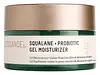 Key Ingredients
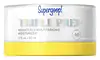
Benefits
Concerns
Ingredients Side-by-side
Water
Skin ConditioningGlycerin
Humectant


Squalane
Emollient
Lepidium Sativum Sprout Extract
Skin ConditioningSodium Acrylates Copolymer
Caprylic/Capric Triglyceride
Masking
Bisabolol
Antioxidant


Phospholipids
Skin Conditioning
Hansenula/Kloeckera/Lactobacillus/Lactococcus/Leuconostoc/Pediococcus/Saccharomyces/Fig/Lemon Ferment
Skin Conditioning
Sodium Hyaluronate
Humectant
Chondrus Crispus Extract
Skin Conditioning
Allantoin
Skin Conditioning
Glycine Soja Sterols
Emollient
Linoleic Acid
Cleansing
Capryloyl Glycerin/Sebacic Acid Copolymer
Skin ConditioningDiheptyl Succinate
EmollientCellulose Gum
Emulsion StabilisingLecithin
Emollient
Sorbitan Oleate
Emulsifying
Isoeicosane
EmollientChitosan
Sodium Phytate
Caprylyl Glycol
Emollient
Phenoxyethanol
Preservative
1,2-Hexanediol
Skin Conditioning
Citric Acid
Buffering


Water, Glycerin, Squalane, Lepidium Sativum Sprout Extract, Sodium Acrylates Copolymer, Caprylic/Capric Triglyceride, Bisabolol, Phospholipids, Hansenula/Kloeckera/Lactobacillus/Lactococcus/Leuconostoc/Pediococcus/Saccharomyces/Fig/Lemon Ferment, Sodium Hyaluronate, Chondrus Crispus Extract, Allantoin, Glycine Soja Sterols, Linoleic Acid, Capryloyl Glycerin/Sebacic Acid Copolymer, Diheptyl Succinate, Cellulose Gum, Lecithin, Sorbitan Oleate, Isoeicosane, Chitosan, Sodium Phytate, Caprylyl Glycol, Phenoxyethanol, 1,2-Hexanediol, Citric Acid
Butyl Methoxydibenzoylmethane 3%
UV Absorber
Homosalate 7%
Skin Conditioning
Ethylhexyl Salicylate 5%
UV Absorber
Octocrylene 6%
UV Absorber

Water
Skin ConditioningIsododecane
EmollientButyloctyl Salicylate
Skin Conditioning
Calcium Aluminum Borosilicate
Glycerin
Humectant
Polymethylsilsesquioxane

Polyglycerin-3
Humectant
Polyglyceryl-3 Lactate/Laurate
CleansingAmmonium Acryloyldimethyltaurate/Vp Copolymer
Ectoin
Skin Conditioning
Acrylates Crosspolymer
AbsorbentGluconolactone
Skin Conditioning




Arginine
Masking
Butylene Glycol
Humectant
Sodium Benzoate
Masking
Polyacrylate Crosspolymer-6
Emulsion StabilisingBisabolol
Antioxidant
Tocopherol
Antioxidant
Citric Acid
Buffering
Niacinamide
Smoothing
Sodium Dilauramidoglutamide Lysine
HumectantSodium Hyaluronate
Humectant
Calcium Gluconate
HumectantSodium Polyglutamate
HumectantHydrolyzed Rhodophyceae Extract
Butyl Methoxydibenzoylmethane 3%, Homosalate 7%, Ethylhexyl Salicylate 5%, Octocrylene 6%, Water, Isododecane, Butyloctyl Salicylate, Calcium Aluminum Borosilicate, Glycerin, Polymethylsilsesquioxane, Polyglycerin-3, Polyglyceryl-3 Lactate/Laurate, Ammonium Acryloyldimethyltaurate/Vp Copolymer, Ectoin, Acrylates Crosspolymer, Gluconolactone, Arginine, Butylene Glycol, Sodium Benzoate, Polyacrylate Crosspolymer-6, Bisabolol, Tocopherol, Citric Acid, Niacinamide, Sodium Dilauramidoglutamide Lysine, Sodium Hyaluronate, Calcium Gluconate, Sodium Polyglutamate, Hydrolyzed Rhodophyceae Extract
Reviews
Ingredients Explained
These ingredients are found in both products.
Ingredients higher up in an ingredient list are typically present in a larger amount.
Bisabolol is a gentle skin conditioner, antioxidant, and soothing ingredient.
It's primary claim to fame is soothing and research shows topically applied bisabolol can quiet the chemical messengers that cause your skin to become inflamed, helping to sooth any irritation.
A clinical study found that applying 0.5% bisabolol daily for 8 weeks produced an average 9% decrease in skin pigmentation. Researchers found it can also suppress the process that leads to excess melanin production in skin.
In vitro studies found that bisabolol combined with propylene glycol significantly increased skin permeability by increasing lipid fluidity in the stratum corneum.
You'll likely see use concentrations quite low, usually 0.1-0.2%.
Overall, this is a well-tolerated ingredient that works well in formulas designed for sensitive, reactive, or post-procedure skin.
Learn more about BisabololCitric Acid is an alpha hydroxy acid (AHA) naturally found in citrus fruits like oranges, lemons, and limes.
Like other AHAs, citric acid can exfoliate skin by breaking down the bonds that hold dead skin cells together. This helps reveal smoother and brighter skin underneath.
However, this exfoliating effect only happens at high concentrations (20%) which can be hard to find in cosmetic products.
Due to this, citric acid is usually included in small amounts as a pH adjuster. This helps keep products slightly more acidic and compatible with skin's natural pH.
In skincare formulas, citric acid can:
While it can provide some skin benefits, research shows lactic acid and glycolic acid are generally more effective and less irritating exfoliants.
Most citric acid used in skincare today is made by fermenting sugars (usually from molasses). This synthetic version is identical to the natural citrus form but easier to stabilize and use in formulations.
Read more about some other popular AHA's here:
Learn more about Citric AcidGlycerin (or glycerol) is a compound naturally found in your skin. It's a powerhouse humectant that pulls water into the stratum corneum.
Topically, glycerin does several things at once:
Your skin makes glycerin on its own (mostly from sebaceous oil breakdown) and shuttles it to your outermost layer of skin, or your epidermis, via aquaporin-3.
Aquaporin-3 is a transporter that is essential for normal skin hydration, elasticity, and repair. Interestingly, mice lacking in AQP3 have dry and less elastic skin that can be fully corrected with glycerin.
This ingredient is non-irritating, plays well with almost every ingredient, and works across all skin types. Typical use is anywhere between 3-10% but can go up to 79% in some leave-on products.
Just know very high concentrations (>40%) can feel tacky in low humidity.
Glycerin is the name for this ingredient in American English. British English uses Glycerol/Glycerine.
Learn more about GlycerinSodium Hyaluronate is the salt form of hyaluronic acid. It is a long sugar chain that is naturally found in your skin, joints, and connective tissue that maintains hydration and elasticity.
In skincare, it works as a humectant. It pulls water from the environment and deeper layers of skin and binds it to the surface.
Interestingly, the size of the molecule affects its behavior:
Some clinical evidence links low molecular weight versions to improved wrinkle depth, elasticity, anti-inflammatory effects, and barrier repair.
Many serums use a blend of both weights so you can get surface hydration plus longer-lasting and deeper effects.
You'll typically see concentrations between 0.1-2% for this ingredient.
Learn more about Sodium HyaluronateWater. It's the most common cosmetic ingredient of all. You'll usually see it at the top of ingredient lists, meaning that it makes up the largest part of the product.
So why is it so popular? Water most often acts as a solvent - this means that it helps dissolve other ingredients into the formulation.
You'll also recognize water as that liquid we all need to stay alive. If you see this, drink a glass of water. Remember to stay hydrated!
Learn more about Water

