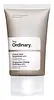
This brightening day moisturizer is formulated around Ascorbyl Glucoside and Niacinamide to fade the look of dark spots and brighten dull-looking skin.
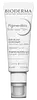
This calming serum is formulated around Azelaic Acid to calm redness and refine skin texture.


What's inside
What's inside
 Key Ingredients
Benefits
Concerns
Ingredients Side-by-side
Water
Skin ConditioningDicaprylyl Carbonate
EmollientOctocrylene
UV Absorber



Methylene Bis-Benzotriazolyl Tetramethylbutylphenol
UV Filter
Glycerin
Humectant


Butyl Methoxydibenzoylmethane
UV Absorber
Dipropylene Glycol
HumectantBis-Ethylhexyloxyphenol Methoxyphenyl Triazine
UV Absorber
Dimethicone
Emollient
Ascorbyl Glucoside
Antioxidant



Butyrospermum Parkii Oil
Emollient


Niacinamide
Smoothing







Silica
Abrasive
Polymethylsilsesquioxane
Jojoba Esters
Emollient
Hdi/Trimethylol Hexyllactone Crosspolymer
Decyl Glucoside
Cleansing
C20-22 Alkyl Phosphate
EmulsifyingC20-22 Alcohols
Emulsion Stabilising
Xanthan Gum
EmulsifyingHelianthus Annuus Seed Wax
Skin Conditioning
Dimethicone/Vinyl Dimethicone Crosspolymer
Skin Conditioning
Pentylene Glycol
Skin Conditioning
Tocopheryl Acetate
Antioxidant
Sodium Hydroxide
BufferingHydrogenated Castor Oil
Emollient
Salicylic Acid
Masking


Sodium Citrate
BufferingLysine
Skin ConditioningAzelaic Acid
Buffering
Mannitol
Humectant
Polyglycerin-3
Humectant
Xylitol
Humectant
Andrographis Paniculata Leaf Extract
AstringentRhamnose
HumectantPropylene Glycol
Humectant
Acacia Decurrens Flower Wax
Emollient
Saccharide Isomerate
Humectant
Glycyrrhiza Glabra Root Extract
Bleaching
Tocopherol
Antioxidant
Fructooligosaccharides
Humectant
Caprylic/Capric Triglyceride
Masking
Laminaria Ochroleuca Extract
Skin Conditioning
Parfum
Masking

Water, Dicaprylyl Carbonate, Octocrylene, Methylene Bis-Benzotriazolyl Tetramethylbutylphenol, Glycerin, Butyl Methoxydibenzoylmethane, Dipropylene Glycol, Bis-Ethylhexyloxyphenol Methoxyphenyl Triazine, Dimethicone, Ascorbyl Glucoside, Butyrospermum Parkii Oil, Niacinamide, Silica, Polymethylsilsesquioxane, Jojoba Esters, Hdi/Trimethylol Hexyllactone Crosspolymer, Decyl Glucoside, C20-22 Alkyl Phosphate, C20-22 Alcohols, Xanthan Gum, Helianthus Annuus Seed Wax, Dimethicone/Vinyl Dimethicone Crosspolymer, Pentylene Glycol, Tocopheryl Acetate, Sodium Hydroxide, Hydrogenated Castor Oil, Salicylic Acid, Sodium Citrate, Lysine, Azelaic Acid, Mannitol, Polyglycerin-3, Xylitol, Andrographis Paniculata Leaf Extract, Rhamnose, Propylene Glycol, Acacia Decurrens Flower Wax, Saccharide Isomerate, Glycyrrhiza Glabra Root Extract, Tocopherol, Fructooligosaccharides, Caprylic/Capric Triglyceride, Laminaria Ochroleuca Extract, Parfum
Water
Skin ConditioningIsodecyl Neopentanoate
EmollientDimethicone
Emollient
Azelaic Acid
Buffering
Dimethicone/Bis-Isobutyl PPG-20 Crosspolymer
Emollient
Dimethyl Isosorbide
SolventHydroxyethyl Acrylate/Sodium Acryloyldimethyl Taurate Copolymer
Emulsion StabilisingPolysilicone-11
Isohexadecane
EmollientTocopherol
Antioxidant
Trisodium Ethylenediamine Disuccinate
ChelatingIsoceteth-20
EmulsifyingPolysorbate 60
Emulsifying
Triethanolamine
BufferingEthoxydiglycol
HumectantPhenoxyethanol
Preservative
Chlorphenesin
Antimicrobial
Water, Isodecyl Neopentanoate, Dimethicone, Azelaic Acid, Dimethicone/Bis-Isobutyl PPG-20 Crosspolymer, Dimethyl Isosorbide, Hydroxyethyl Acrylate/Sodium Acryloyldimethyl Taurate Copolymer, Polysilicone-11, Isohexadecane, Tocopherol, Trisodium Ethylenediamine Disuccinate, Isoceteth-20, Polysorbate 60, Triethanolamine, Ethoxydiglycol, Phenoxyethanol, Chlorphenesin
Reviews
Ingredients Explained
These ingredients are found in both products.
Ingredients higher up in an ingredient list are typically present in a larger amount.
Azelaic acid is a multitasker ingredient that helps treat acne, pigmentation, and irritation. It is a great option for sensitive skin.
What makes it special?
OTC Azelaic acid is usually available in concentrations from 10-15% and anything over requires a prescription.
Here's what each tier does best:
Unlike other acids, azelaic acid will not make your skin more photosensitive/sun sensitive.
Though this ingredient is naturally occurring in grains like wheat, rye, and barley, it is usually synthetically created for cosmetics to ensure stability and effectiveness.
Learn more about Azelaic AcidDimethicone is a type of synthetic silicone created from natural materials such as quartz. It is also known as polydimethylsiloxane.
What it does:
Dimethicone comes in different viscosities:
Depending on the viscosity, dimethicone has different properties.
Ingredients lists don't always show which type is used, so we recommend reaching out to the brand if you have questions about the viscosity.
This ingredient is unlikely to cause irritation because it does not get absorbed into skin. However, people with silicone allergies should be careful about using this ingredient.
Note: Dimethicone may contribute to pilling. This is because it is not oil or water soluble, so pilling may occur when layered with products. When mixed with heavy oils in a formula, the outcome is also quite greasy.
Learn more about DimethiconeTocopherol is a fat-soluble antioxidant known as Vitamin E.
You'll find this ingredient in the vast majority of skincare (for good reason). It works to neutralize free radicals, or unstable molecules generated by UV exposure, pollution, and other environmental stressors, before they can cause oxidative damage to your skin cells.
Topically applied tocopherol has been shown to protect against UV damage by ramping up the skin's own natural defense enzymes.
It also acts as a skin conditioning agent; some studies show that regular topical use can improve the skin's water-binding capacity over 2-4 weeks.
This ingredient is especially loved for being a team player. When combined with Vitamin C, the photoprotective effect of both ingredients roughly doubles and the combo also helps reduce UV-induced DNA damage.
This ingredient has some brightening potential but it's more of a prevention ingredient than spot-fader. Cell studies show it can slow down melanin production but it's worth noting that it's not the most powerful brightener out there.
In formulations, it also serves as a stabilizer that helps protect other oxidation-prone ingredients from degrading.
Concentrations usually range from 0.1-1% in most leave-on products.
Learn more about TocopherolWater. It's the most common cosmetic ingredient of all. You'll usually see it at the top of ingredient lists, meaning that it makes up the largest part of the product.
So why is it so popular? Water most often acts as a solvent - this means that it helps dissolve other ingredients into the formulation.
You'll also recognize water as that liquid we all need to stay alive. If you see this, drink a glass of water. Remember to stay hydrated!
Learn more about Water

