
What's inside
What's inside
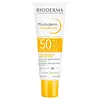 Key Ingredients
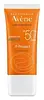
Benefits
Concerns
No concerns
Ingredients Side-by-side
Water
Skin ConditioningDibutyl Adipate
EmollientDiethylhexyl Butamido Triazone
UV Absorber
Diethylamino Hydroxybenzoyl Hexyl Benzoate
UV Filter
Dicaprylyl Carbonate
EmollientDiisopropyl Sebacate
EmollientBis-Ethylhexyloxyphenol Methoxyphenyl Triazine
Skin Conditioning
Corn Starch Modified
AbsorbentGlycerin
Humectant


Polyglyceryl-6 Stearate
Emollient
1,2-Hexanediol
Skin Conditioning
Microcrystalline Cellulose
AbsorbentC20-22 Alkyl Phosphate
EmulsifyingC20-22 Alcohols
Emulsion Stabilising
Caprylyl Glycol
Emollient
Polyglyceryl-6 Behenate
Emulsion Stabilising
Cellulose Gum
Emulsion StabilisingEctoin
Skin Conditioning



Mannitol
Humectant
Xylitol
Humectant
O-Cymen-5-Ol
Antimicrobial
Xanthan Gum
EmulsifyingRhamnose
HumectantSodium Hydroxide
BufferingButyl Methoxydibenzoylmethane
UV Absorber
Tocopherol
Antioxidant



Propylheptyl Caprylate
EmollientWater, Dibutyl Adipate, Diethylhexyl Butamido Triazone, Diethylamino Hydroxybenzoyl Hexyl Benzoate, Dicaprylyl Carbonate, Diisopropyl Sebacate, Bis-Ethylhexyloxyphenol Methoxyphenyl Triazine, Corn Starch Modified, Glycerin, Polyglyceryl-6 Stearate, 1,2-Hexanediol, Microcrystalline Cellulose, C20-22 Alkyl Phosphate, C20-22 Alcohols, Caprylyl Glycol, Polyglyceryl-6 Behenate, Cellulose Gum, Ectoin, Mannitol, Xylitol, O-Cymen-5-Ol, Xanthan Gum, Rhamnose, Sodium Hydroxide, Butyl Methoxydibenzoylmethane, Tocopherol, Propylheptyl Caprylate
Water
Skin ConditioningC12-15 Alkyl Benzoate
AntimicrobialDicaprylyl Carbonate
EmollientMethylene Bis-Benzotriazolyl Tetramethylbutylphenol
UV Filter
Silica
Abrasive


Bis-Ethylhexyloxyphenol Methoxyphenyl Triazine
Skin Conditioning
Diethylhexyl Butamido Triazone
UV Absorber
Aluminum Starch Octenylsuccinate
Absorbent
Diisopropyl Adipate
EmollientButyl Methoxydibenzoylmethane
UV Absorber
CI 77891
Cosmetic ColorantDecyl Glucoside
Cleansing
Glyceryl Stearate
Emollient
PEG-100 Stearate
Potassium Cetyl Phosphate
EmulsifyingVp/Eicosene Copolymer
Acrylates/Ammonium Methacrylate Copolymer
Acrylates/C10-30 Alkyl Acrylate Crosspolymer
Emulsion StabilisingAlumina
Abrasive
Benzoic Acid
Masking
Butylene Glycol
Humectant
Caprylic/Capric Triglyceride
Masking
Caprylyl Glycol
Emollient
Disodium EDTA
Parfum
Masking


Glyceryl Behenate
Emollient
Glyceryl Dibehenate
Emollient
CI 77492
Cosmetic ColorantIsopropyl Myristate
Emollient

Oxothiazolidine
Skin ProtectingPropylene Glycol
Humectant
Sodium Benzoate
Masking
Sodium Hydroxide
BufferingStearyl Alcohol
Emollient
Tocopherol
Antioxidant
Tocopheryl Glucoside
EmollientTribehenin
Emollient
Triethyl Citrate
Masking
Xanthan Gum
EmulsifyingWater, C12-15 Alkyl Benzoate, Dicaprylyl Carbonate, Methylene Bis-Benzotriazolyl Tetramethylbutylphenol, Silica, Bis-Ethylhexyloxyphenol Methoxyphenyl Triazine, Diethylhexyl Butamido Triazone, Aluminum Starch Octenylsuccinate, Diisopropyl Adipate, Butyl Methoxydibenzoylmethane, CI 77891, Decyl Glucoside, Glyceryl Stearate, PEG-100 Stearate, Potassium Cetyl Phosphate, Vp/Eicosene Copolymer, Acrylates/Ammonium Methacrylate Copolymer, Acrylates/C10-30 Alkyl Acrylate Crosspolymer, Alumina, Benzoic Acid, Butylene Glycol, Caprylic/Capric Triglyceride, Caprylyl Glycol, Disodium EDTA, Parfum, Glyceryl Behenate, Glyceryl Dibehenate, CI 77492, Isopropyl Myristate, Oxothiazolidine, Propylene Glycol, Sodium Benzoate, Sodium Hydroxide, Stearyl Alcohol, Tocopherol, Tocopheryl Glucoside, Tribehenin, Triethyl Citrate, Xanthan Gum
Reviews
Ingredients Explained
These ingredients are found in both products.
Ingredients higher up in an ingredient list are typically present in a larger amount.
You might know this ingredient as Tinosorb S or Bemotrizinol. It is a UV filter that covers both UVA and UVB rays.
This ingredient has two peak UV absorption peaks ( 310 and 340 nm) and is able to absorb both UV-A and UV-B rays. This ingredient works by preventing UV rays from reaching and damaging your skin.
On top of that - it is highly photostable and helps prevent the photodegration of other sunscreen ingredients such as avobenzone.
Tinosorb S is allowed in the EU, Australia, and Asia. It is close to being approved by the FDA and we'll hopefully get this ingredient in the U.S. by late 2026.
Fun fact: Tinosorb S is the most effective UV absorber at maximum concentration (measured by SPF) permitted in the EU.
This ingredient is oil-soluble, so your oil-cleansers will take this right off at night.
Learn more about Bis-Ethylhexyloxyphenol Methoxyphenyl TriazineAlso known as Avobenzone, this ingredient is a chemical sunscreen filter that provides protection in the UV-A range.
Avobenzone is globally approved and is the most commonly used UV-A filter in the world.
Studies have found that avobenzone becomes ineffective when exposed to UV light (it is not photostable; meaning that it breaks down in sunlight). Because of this, formulations that include avobenzone will usually contain stabilizers such as octocrylene.
However, some modern formulations (looking at you, EU!) are able to stabilize avobenzone by coating the molecules.
Avobenzone does not protect against the UV-B range, so it's important to check that the sunscreen you're using contains other UV filters that do!
The highest concentration of avobenzone permitted is 3% in the US, and 5% in the EU.
Learn more about Butyl MethoxydibenzoylmethaneCaprylyl Glycol is a humectant, skin conditioner, emollient, and preservative booster derived from either caprylic acid or synthetically created.
Typical use levels vary from 0.3-1% as a preservative booster and go up to 2% to condition skin.
Because it is not a free-fatty acid or alcohol, this ingredient is fungal acne safe (there's nothing for Malassezia to feed on).
Learn more about Caprylyl GlycolDicaprylyl Carbonate comes from carbonic acid and caprylyl alcohol, a fatty alcohol. It is an emollient and gives skin a velvet feel. The sources of Dicaprylyl Carbonate may be synthetic or from animals.
As an emollient, Dicaprylyl Carbonate creates a film on the skin. This film traps moisture in, keeping your skin soft and hydrated.
Diethylhexyl Butamido Triazone is a photostable UV absorber. It protects in both the UVB and UVA II range.
The great thing about this ingredient is that it is ultra-photostable at low concentrations.
It is also pretty water-resistant and is highly oil-soluble (so your oil cleanser will get it off right away).
This ingredient is currently available in Europe and Japan, but not in the US.
Learn more about Diethylhexyl Butamido TriazoneSodium Hydroxide is also known as lye or caustic soda. It is used to adjust the pH of products; many ingredients require a specific pH to be effective.
In small amounts, sodium hydroxide is considered safe to use. However, large amounts may cause chemical burns due to its high alkaline.
Your skin has a natural pH and acid mantle. This acid mantle helps prevent harmful bacteria from breaking through. The acid mantle also helps keep your skin hydrated.
"Alkaline" refers to a high pH level. A low pH level would be considered acidic.
Learn more about Sodium HydroxideTocopherol is a fat-soluble antioxidant known as Vitamin E.
You'll find this ingredient in the vast majority of skincare (for good reason). It works to neutralize free radicals, or unstable molecules generated by UV exposure, pollution, and other environmental stressors, before they can cause oxidative damage to your skin cells.
Topically applied tocopherol has been shown to protect against UV damage by ramping up the skin's own natural defense enzymes.
It also acts as a skin conditioning agent; some studies show that regular topical use can improve the skin's water-binding capacity over 2-4 weeks.
This ingredient is especially loved for being a team player. When combined with Vitamin C, the photoprotective effect of both ingredients roughly doubles and the combo also helps reduce UV-induced DNA damage.
This ingredient has some brightening potential but it's more of a prevention ingredient than spot-fader. Cell studies show it can slow down melanin production but it's worth noting that it's not the most powerful brightener out there.
In formulations, it also serves as a stabilizer that helps protect other oxidation-prone ingredients from degrading.
Concentrations usually range from 0.1-1% in most leave-on products.
Learn more about TocopherolWater. It's the most common cosmetic ingredient of all. You'll usually see it at the top of ingredient lists, meaning that it makes up the largest part of the product.
So why is it so popular? Water most often acts as a solvent - this means that it helps dissolve other ingredients into the formulation.
You'll also recognize water as that liquid we all need to stay alive. If you see this, drink a glass of water. Remember to stay hydrated!
Learn more about WaterXanthan gum is used as a stabilizer and thickener within cosmetic products. It helps give products a sticky, thick feeling - preventing them from being too runny.
On the technical side of things, xanthan gum is a polysaccharide - a combination consisting of multiple sugar molecules bonded together.
Xanthan gum is a pretty common and great ingredient. It is a natural, non-toxic, non-irritating ingredient that is also commonly used in food products.
Learn more about Xanthan Gum
