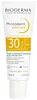
This chemical sunscreen covers the full UV range and blocks ~97% of UVB at SPF 30.
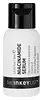
This oil-control serum is formulated around Niacinamide to balance excess oil and refine the look of pores.


What's inside
What's inside
 Key Ingredients
Benefits
Concerns
Ingredients Side-by-side
Water
Skin ConditioningC12-15 Alkyl Benzoate
AntimicrobialMethylene Bis-Benzotriazolyl Tetramethylbutylphenol
UV Filter
Corn Starch Modified
AbsorbentDiethylamino Hydroxybenzoyl Hexyl Benzoate
UV Filter
Ethylhexyl Triazone
UV Absorber
Potassium Cetyl Phosphate
EmulsifyingBrassica Campestris/Aleurites Fordi Oil Copolymer
Skin Conditioning
Hydroxyethyl Acrylate/Sodium Acryloyldimethyl Taurate Copolymer
Emulsion Stabilising1,2-Hexanediol
Skin Conditioning
Bis-Ethylhexyloxyphenol Methoxyphenyl Triazine
UV Absorber
Silica
Abrasive


Decyl Glucoside
Cleansing
Glycolic Acid
Buffering








Boron Nitride
Absorbent
Salicylic Acid
Masking



Tocopheryl Acetate
Antioxidant

Propylene Glycol
Humectant
Xanthan Gum
EmulsifyingSodium Hydroxide
BufferingPolysorbate 60
Emulsifying
Sorbitan Isostearate
Emulsifying
Ectoin
Skin Conditioning



Mannitol
Humectant
Xylitol
Humectant
Rhamnose
HumectantGinkgo Biloba Leaf Extract
Skin Conditioning
Fructooligosaccharides
Humectant
Propyl Gallate
Antioxidant

Caprylic/Capric Triglyceride
Masking
Tocopherol
Antioxidant
Laminaria Ochroleuca Extract
Skin Conditioning
Parfum
Masking
Water, C12-15 Alkyl Benzoate, Methylene Bis-Benzotriazolyl Tetramethylbutylphenol, Corn Starch Modified, Diethylamino Hydroxybenzoyl Hexyl Benzoate, Ethylhexyl Triazone, Potassium Cetyl Phosphate, Brassica Campestris/Aleurites Fordi Oil Copolymer, Hydroxyethyl Acrylate/Sodium Acryloyldimethyl Taurate Copolymer, 1,2-Hexanediol, Bis-Ethylhexyloxyphenol Methoxyphenyl Triazine, Silica, Decyl Glucoside, Glycolic Acid, Boron Nitride, Salicylic Acid, Tocopheryl Acetate, Propylene Glycol, Xanthan Gum, Sodium Hydroxide, Polysorbate 60, Sorbitan Isostearate, Ectoin, Mannitol, Xylitol, Rhamnose, Ginkgo Biloba Leaf Extract, Fructooligosaccharides, Propyl Gallate, Caprylic/Capric Triglyceride, Tocopherol, Laminaria Ochroleuca Extract, Parfum
Water
Skin ConditioningNiacinamide
Smoothing
Glycerin
Humectant
Propanediol
Solvent
Butylene Glycol
Humectant
Phenoxyethanol
Preservative
Hydroxyethyl Acrylate/Sodium Acryloyldimethyl Taurate Copolymer
Emulsion StabilisingHydroxyethylcellulose
Emulsion StabilisingPhospholipids
Skin Conditioning
Squalane
Emollient
Xanthan Gum
EmulsifyingGlycine Soja Oil
Emollient

Allantoin
Skin Conditioning
Sodium Phytate
ChelatingPolysorbate 60
Emulsifying
Panthenol
Skin Conditioning
Glycolipids
Skin ConditioningLeuconostoc/Radish Root Ferment Filtrate
Antimicrobial
Sorbitan Isostearate
Emulsifying
Glycine Soja Sterols
Emollient
Citric Acid
Buffering
Hyaluronic Acid
Humectant
Disodium Phosphate
BufferingSodium Phosphate
BufferingWater, Niacinamide, Glycerin, Propanediol, Butylene Glycol, Phenoxyethanol, Hydroxyethyl Acrylate/Sodium Acryloyldimethyl Taurate Copolymer, Hydroxyethylcellulose, Phospholipids, Squalane, Xanthan Gum, Glycine Soja Oil, Allantoin, Sodium Phytate, Polysorbate 60, Panthenol, Glycolipids, Leuconostoc/Radish Root Ferment Filtrate, Sorbitan Isostearate, Glycine Soja Sterols, Citric Acid, Hyaluronic Acid, Disodium Phosphate, Sodium Phosphate
Reviews
Ingredients Explained
These ingredients are found in both products.
Ingredients higher up in an ingredient list are typically present in a larger amount.
This is a synthetic polymer. It helps improve the texture of products by adding thickness and gel-like feel.
It is also an emulsifer, meaning it prevents ingredients such as oil and water from separating. It also helps evenly disperse other ingredients.
Polysorbate 60 is used to help stabilize products. It is a surfactant and emulsifier. These properties help keep ingredients together in a product. Surfactants help reduce surface tension between ingredients with different states, such as liquids and solids. Emulsifiers help prevent oils and waters from separating.
Polysorbate 60 is sorbitol-based and created from the ethoxylation of sorbitan. Ethoxylation is a chemical reaction used to add ethylene oxide. Sorbitan is a the dehydrated version of sorbitol, a sugar found in fruits.
In this case, the 60 comes from reacting 60 units of ethylene oxide with sorbitan.
Polysorbates are commonly used in medicine and foods.
Learn more about Polysorbate 60Sorbitan Isostearate is an emulsifer. It is created from isostearic acid and sorbitol.
As an emulsifier, it keeps the water and oil ingredients from separating. This keeps formulas stable and smooth.
In a 24 hour occlusive patch test on 56 subjects, 10% sorbitan isostearate was completely non-irritating. Most formulas use less than 10%.
Because it's a fatty acid ester, it may not be fungal acne safe since the Malassezia yeast can utilize it as a nutrient source.
Learn more about Sorbitan IsostearateWater. It's the most common cosmetic ingredient of all. You'll usually see it at the top of ingredient lists, meaning that it makes up the largest part of the product.
So why is it so popular? Water most often acts as a solvent - this means that it helps dissolve other ingredients into the formulation.
You'll also recognize water as that liquid we all need to stay alive. If you see this, drink a glass of water. Remember to stay hydrated!
Learn more about WaterXanthan gum is used as a stabilizer and thickener within cosmetic products. It helps give products a sticky, thick feeling - preventing them from being too runny.
On the technical side of things, xanthan gum is a polysaccharide - a combination consisting of multiple sugar molecules bonded together.
Xanthan gum is a pretty common and great ingredient. It is a natural, non-toxic, non-irritating ingredient that is also commonly used in food products.
Learn more about Xanthan Gum

