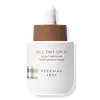
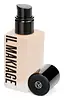
Beekman 1802 Milk Tint SPF 43 Tinted Primer Serum Versus Il Makiage GL Radiant Glow Woke Up Like This Foundation

What's inside
What's inside
 Key Ingredients
Benefits
Concerns
Ingredients Side-by-side
Zinc Oxide 13%
Cosmetic Colorant


Water
Skin ConditioningSqualane
Emollient


Isoamyl Laurate
Emollient

Butyloctyl Salicylate
Skin Conditioning
Propanediol
Solvent
Caprylic/Capric Triglyceride
Masking
Polyglyceryl-3 Diisostearate
Emulsifying


Methylpropanediol
SolventIsopropyl Isostearate
Emollient
Niacinamide
Smoothing








Sodium Chloride
MaskingPolyglyceryl-6 Polyricinoleate
Emulsifying
Silica
Abrasive
Sorbitan Sesquiisostearate
Emulsifying
Caprae Lac
Skin ConditioningBifida Ferment Lysate
Skin Conditioning
Milk Protein
Skin ConditioningEryngium Alpinum Flower Extract
Skin ConditioningCarthamus Tinctorius Seed Oil
Masking
Sambucus Nigra Flower Extract
RefreshingLeuconostoc/Radish Root Ferment Filtrate
Antimicrobial
Isostearic Acid
Cleansing
Lecithin
Emollient
Polyglyceryl-3 Polyricinoleate
Emulsifying
Polyhydroxystearic Acid
Emulsifying
Hydroxyacetophenone
Antioxidant
Mica
Cosmetic Colorant1,2-Hexanediol
Skin Conditioning
Caprylyl Glycol
Emollient
Lauroyl Lysine
Skin Conditioning
Glycerin
Humectant
Tocopheryl Acetate
Antioxidant
Trisodium Ethylenediamine Disuccinate
ChelatingLactose
HumectantCI 77891
Cosmetic ColorantCI 77492
Cosmetic ColorantCI 77491
Cosmetic ColorantCI 77499
Cosmetic ColorantZinc Oxide 13%, Water, Squalane, Isoamyl Laurate, Butyloctyl Salicylate, Propanediol, Caprylic/Capric Triglyceride, Polyglyceryl-3 Diisostearate, Methylpropanediol, Isopropyl Isostearate, Niacinamide, Sodium Chloride, Polyglyceryl-6 Polyricinoleate, Silica, Sorbitan Sesquiisostearate, Caprae Lac, Bifida Ferment Lysate, Milk Protein, Eryngium Alpinum Flower Extract, Carthamus Tinctorius Seed Oil, Sambucus Nigra Flower Extract, Leuconostoc/Radish Root Ferment Filtrate, Isostearic Acid, Lecithin, Polyglyceryl-3 Polyricinoleate, Polyhydroxystearic Acid, Hydroxyacetophenone, Mica, 1,2-Hexanediol, Caprylyl Glycol, Lauroyl Lysine, Glycerin, Tocopheryl Acetate, Trisodium Ethylenediamine Disuccinate, Lactose, CI 77891, CI 77492, CI 77491, CI 77499
Water
Skin ConditioningCyclopentasiloxane
Emollient
Isododecane
EmollientGlycerin
Humectant
Alcohol
Antimicrobial


Phenyl Trimethicone
Skin Conditioning
Aluminum Starch Octenylsuccinate
Absorbent
Bis-Hydroxyethoxypropyl Dimethicone/Ipdi Copolymer Ethylcarbamate
Cetyl PEG/PPG-10/1 Dimethicone
Emulsifying
Disteardimonium Hectorite
StabilisingSodium Chloride
MaskingPolyglyceryl-4 Isostearate
Emulsifying
Hexyl Laurate
Emollient
Di-C12-13 Alkyl Tartrate
EmollientSodium Dehydroacetate
Preservative
Potassium Sorbate
Preservative
Disodium Stearoyl Glutamate
CleansingDiamond Powder
Abrasive
Caprylic/Capric Triglyceride
Masking
Aluminum Hydroxide
EmollientPentaerythrityl Tetra-Di-T-Butyl Hydroxyhydrocinnamate
Antioxidant
Rubus Idaeus Leaf Cell Culture
Skin ConditioningCI 77891
Cosmetic ColorantCI 77491
Cosmetic ColorantCI 77492
Cosmetic ColorantCI 77499
Cosmetic ColorantWater, Cyclopentasiloxane, Isododecane, Glycerin, Alcohol, Phenyl Trimethicone, Aluminum Starch Octenylsuccinate, Bis-Hydroxyethoxypropyl Dimethicone/Ipdi Copolymer Ethylcarbamate, Cetyl PEG/PPG-10/1 Dimethicone, Disteardimonium Hectorite, Sodium Chloride, Polyglyceryl-4 Isostearate, Hexyl Laurate, Di-C12-13 Alkyl Tartrate, Sodium Dehydroacetate, Potassium Sorbate, Disodium Stearoyl Glutamate, Diamond Powder, Caprylic/Capric Triglyceride, Aluminum Hydroxide, Pentaerythrityl Tetra-Di-T-Butyl Hydroxyhydrocinnamate, Rubus Idaeus Leaf Cell Culture, CI 77891, CI 77491, CI 77492, CI 77499
Reviews
Ingredients Explained
These ingredients are found in both products.
Ingredients higher up in an ingredient list are typically present in a larger amount.
Caprylic/Capric Triglyceride (aka MCT Oil) is a lightweight emollient, solvent, and texture enhancer. It is considered a skin-softener by helping to prevent moisture loss.
Though it behaves like an oil, it is not technically one due to its chemical composition. One perk of this ingredient is that it is very stable, resistant to oxidation, and unlikely to go rancid.
In practice, that translates to a long shelf life and a consistently elegant skin feel.
While there is an assumption Caprylic Triglyceride can clog pores due to it being derived from coconut oil, there is no research supporting this. Just patch test if you have concerns.
Fractionated coconut oil and MCT Oil are both listed as Caprylic/Capric Triglyceride according to INCI. This is because INCI names are based on the ingredient’s final chemical composition and not its marketing name or source.
This ingredient is treated as the gold standard fungal acne safe oil. Even though it is coconut derived, the problematic lauric acid is stripped out.
This leaves just caprylic (C8) and capric (C10) acid. These chain lengths actually trend antifungal; a 2020 study found caprylic acid was enough to disrupt Malassezia furfur cell membrane, with a caprylic acid derivative damaging membrane structures at concentrations as low as 0.2%.
Learn more about Caprylic/Capric TriglycerideCi 77491 is also hydrated iron III oxide. It's sole purpose is to give a red/pink hue to products.
Iron III oxides are classified as inorganic chemicals for coloring.
Synthetically created Ci 77491 is considered safer than those naturally found. This is because the synthetically created version may contain less impurities. Iron oxides are generally non-toxic and non-allergenic.
Learn more about CI 77491CI 77492 is also hydrated iron III oxide. It's sole purpose is to give a yellow hue to products.
Iron III oxides are classified as inorganic chemicals for coloring.
Synthetically created CI 77492 is considered safer than those naturally found. This is because the synthetically created version may contain less impurities. Iron oxides are generally non-toxic and non-allergenic.
Learn more about CI 77492Ci 77499 is also hydrated iron III oxide. It is created from mixing red and black iron oxides. This helps give shades of darkness to a product.
Iron III oxides are classified as inorganic chemicals for coloring.
Ci 77891 is a white pigment from Titanium dioxide. It is naturally found in minerals such as rutile and ilmenite.
It's main function is to add a white color to cosmetics. It can also be mixed with other colors to create different shades.
Ci 77891 is commonly found in sunscreens due to its ability to block UV rays.
Learn more about CI 77891Glycerin (or glycerol) is a compound naturally found in your skin. It's a powerhouse humectant that pulls water into the stratum corneum.
Topically, glycerin does several things at once:
Your skin makes glycerin on its own (mostly from sebaceous oil breakdown) and shuttles it to your outermost layer of skin, or your epidermis, via aquaporin-3.
Aquaporin-3 is a transporter that is essential for normal skin hydration, elasticity, and repair. Interestingly, mice lacking in AQP3 have dry and less elastic skin that can be fully corrected with glycerin.
This ingredient is non-irritating, plays well with almost every ingredient, and works across all skin types. Typical use is anywhere between 3-10% but can go up to 79% in some leave-on products.
Just know very high concentrations (>40%) can feel tacky in low humidity.
Glycerin is the name for this ingredient in American English. British English uses Glycerol/Glycerine.
Learn more about GlycerinChances are, you eat sodium chloride every day. Sodium Chloride is also known as table salt. This ingredient has many purposes in skincare: thickener, emulsifier, and exfoliator.
You'll most likely find this ingredient in cleansers where it is used to create a gel-like texture. As an emulsifier, it also prevents ingredients from separating.
You might see people debate whether Sodium Chloride is comedogenic, but there actually haven't been any comedogenic tests done on it. Either way, the overall formulation of a product matters a lot more than any single ingredient.
You might see this ingredient used in scrubs as a primary exfoliating ingredient.
Learn more about Sodium ChlorideWater. It's the most common cosmetic ingredient of all. You'll usually see it at the top of ingredient lists, meaning that it makes up the largest part of the product.
So why is it so popular? Water most often acts as a solvent - this means that it helps dissolve other ingredients into the formulation.
You'll also recognize water as that liquid we all need to stay alive. If you see this, drink a glass of water. Remember to stay hydrated!
Learn more about Water

