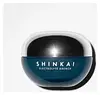
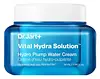
Beauty Pie Shinkai Electrolyte Drench Gel Cream Versus Dr. Jart+ Vital Hydra Solution Hydro Plump Water Cream
This barrier-repair moisturizer is formulated around Squalane and Saccharomyces/Xylinum/Black Tea Ferment to strengthen the skin barrier and hydrate skin.
This barrier-repair moisturizer is formulated around Niacinamide and Saccharide Isomerate to strengthen the skin barrier and hydrate skin.


What's inside
What's inside
 Key Ingredients
Benefits
Concerns
Ingredients Side-by-side
Maris Aqua
HumectantWater
Skin ConditioningButylene Glycol
Humectant

Glycerin
Humectant
Squalane
Emollient
Saccharomyces/Xylinum/Black Tea Ferment
Skin Conditioning


Methyl Gluceth-20
Humectant
Pentylene Glycol
Skin Conditioning
Acrylates/C10-30 Alkyl Acrylate Crosspolymer
Emulsion StabilisingSaccharide Isomerate
Humectant
Polyglycerin-3
Humectant
Phytosteryl/Octyldodecyl Lauroyl Glutamate
Skin ConditioningXylitol
Humectant
Betaine
Humectant
Sodium Hydroxide
BufferingParfum
Masking



Hydroxyethylcellulose
Emulsion StabilisingDisodium EDTA
ChelatingDipotassium Glycyrrhizate
Humectant
Ethylhexylglycerin
Skin ConditioningZinc Gluconate
Skin Conditioning



Magnesium Aspartate
Skin ConditioningPhenoxyethanol
Preservative
Sodium Citrate
BufferingUndaria Pinnatifida Extract
Skin ConditioningCitric Acid
Buffering

Tocopherol
Antioxidant


Alpha-Isomethyl Ionone
Perfuming
Chlorella Vulgaris Extract
Skin ConditioningCopper Gluconate
Skin Conditioning
Benzyl Salicylate
Perfuming
Potassium Sorbate
Preservative
Tetradecyl Aminobutyroylvalylaminobutyric Urea Trifluoroacetate
Skin ConditioningGeraniol
Perfuming
Limonene
Perfuming
Magnesium Chloride
Biotin
AntiseborrhoeicMaris Aqua, Water, Butylene Glycol, Glycerin, Squalane, Saccharomyces/Xylinum/Black Tea Ferment, Methyl Gluceth-20, Pentylene Glycol, Acrylates/C10-30 Alkyl Acrylate Crosspolymer, Saccharide Isomerate, Polyglycerin-3, Phytosteryl/Octyldodecyl Lauroyl Glutamate, Xylitol, Betaine, Sodium Hydroxide, Parfum, Hydroxyethylcellulose, Disodium EDTA, Dipotassium Glycyrrhizate, Ethylhexylglycerin, Zinc Gluconate, Magnesium Aspartate, Phenoxyethanol, Sodium Citrate, Undaria Pinnatifida Extract, Citric Acid, Tocopherol, Alpha-Isomethyl Ionone, Chlorella Vulgaris Extract, Copper Gluconate, Benzyl Salicylate, Potassium Sorbate, Tetradecyl Aminobutyroylvalylaminobutyric Urea Trifluoroacetate, Geraniol, Limonene, Magnesium Chloride, Biotin
Water
Skin ConditioningPropanediol
Solvent
Phenyl Trimethicone
Skin Conditioning
Betaine
Humectant
Glycerin
Humectant
Niacinamide
Smoothing

Glyceryl Glucoside
Humectant
Saccharide Isomerate
Humectant
Vinyldimethicone
Caprylyl Glycol
Emollient
Sodium Hyaluronate
Humectant
Dimethiconol
Emollient
Ethylhexylglycerin
Skin ConditioningAdenosine
Skin Conditioning
Beta-Glucan
Skin Conditioning
Polymethylsilsesquioxane
Ammonium Acryloyldimethyltaurate/Vp Copolymer
1,2-Hexanediol
Skin Conditioning
Ammonium Acryloyldimethyltaurate/Beheneth-25 Methacrylate Crosspolymer
Emulsion StabilisingHydroxyethyl Acrylate/Sodium Acryloyldimethyl Taurate Copolymer
Emulsion StabilisingPentylene Glycol
Skin Conditioning
Sorbitan Isostearate
Emulsifying
Citric Acid
Buffering
Parfum
Masking
Sodium Citrate
BufferingWater, Propanediol, Phenyl Trimethicone, Betaine, Glycerin, Niacinamide, Glyceryl Glucoside, Saccharide Isomerate, Vinyldimethicone, Caprylyl Glycol, Sodium Hyaluronate, Dimethiconol, Ethylhexylglycerin, Adenosine, Beta-Glucan, Polymethylsilsesquioxane, Ammonium Acryloyldimethyltaurate/Vp Copolymer, 1,2-Hexanediol, Ammonium Acryloyldimethyltaurate/Beheneth-25 Methacrylate Crosspolymer, Hydroxyethyl Acrylate/Sodium Acryloyldimethyl Taurate Copolymer, Pentylene Glycol, Sorbitan Isostearate, Citric Acid, Parfum, Sodium Citrate
Reviews
Ingredients Explained
These ingredients are found in both products.
Ingredients higher up in an ingredient list are typically present in a larger amount.
Betaine is a humectant. Like hyaluronic acid, it helps attract and retain moisture in the skin. It’s known for being gentle and for helping the skin maintain balanced hydration.
Betaine is mainly used to improve hydration and support calmer skin. It helps skin cells regulate water balance because it functions as an osmolyte.
Some studies suggest betaine may support making skin tone more even.
Fun fact: Betaine naturally exists in the skin and the body. In cosmetic products, it can be either plant-derived (most commonly from sugar beets) or synthetically produced for consistency and stability.
Betaine is also known as trimethylglycine.
Learn more about BetaineCitric Acid is an alpha hydroxy acid (AHA) naturally found in citrus fruits like oranges, lemons, and limes.
Like other AHAs, citric acid can exfoliate skin by breaking down the bonds that hold dead skin cells together. This helps reveal smoother and brighter skin underneath.
However, this exfoliating effect only happens at high concentrations (20%) which can be hard to find in cosmetic products.
Due to this, citric acid is usually included in small amounts as a pH adjuster. This helps keep products slightly more acidic and compatible with skin's natural pH.
In skincare formulas, citric acid can:
While it can provide some skin benefits, research shows lactic acid and glycolic acid are generally more effective and less irritating exfoliants.
Most citric acid used in skincare today is made by fermenting sugars (usually from molasses). This synthetic version is identical to the natural citrus form but easier to stabilize and use in formulations.
Rosacea skin has a lower threshold for acids generally, with 62.5% of rosacea subjects in one study reacting to lactic acid in a sting test. This is why we mark citric acid as a potential rosacea trigger.
However, this ingredient shows up as a pH adjuster or chelator at roughly 0.1-1% in many products. These low levels are unlikely to be an issue for rosacea skin and becomes a potential trigger at exfoliating concentrations (20%). Because everybody's skin is unique, we recommend a patch test if you are unsure.
Learn more about Citric AcidEthylhexylglycerin is created from glycerin. It is a multitasker ingredient that:
The CIR Expert Panel found minimal skin absorption or sensitization of any kind in a safety assessment. Though this ingredient is considered well-tolerated, a small number of cases of allergic dermatitis have been published since 2002. Just be sure to patch test if you are unsure.
Industry-reported use ranges from 8% in rinse-off products and 2% in leave-on formulations.
Learn more about EthylhexylglycerinGlycerin (or glycerol) is a compound naturally found in your skin. It's a powerhouse humectant that pulls water into the stratum corneum.
Topically, glycerin does several things at once:
Your skin makes glycerin on its own (mostly from sebaceous oil breakdown) and shuttles it to your outermost layer of skin, or your epidermis, via aquaporin-3.
Aquaporin-3 is a transporter that is essential for normal skin hydration, elasticity, and repair. Interestingly, mice lacking in AQP3 have dry and less elastic skin that can be fully corrected with glycerin.
This ingredient is non-irritating, plays well with almost every ingredient, and works across all skin types. Typical use is anywhere between 3-10% but can go up to 79% in some leave-on products.
Just know very high concentrations (>40%) can feel tacky in low humidity.
Glycerin is the name for this ingredient in American English. British English uses Glycerol/Glycerine.
Learn more about GlycerinParfum is a catch-all term for an ingredient or more that is used to give a scent to products.
Also called "fragrance", this ingredient can be a blend of hundreds of chemicals or plant oils. This means every product with "fragrance" or "parfum" in the ingredients list is a different mixture.
For instance, Habanolide is a proprietary trade name for a specific aroma chemical. When used as a fragrance ingredient in cosmetics, most aroma chemicals fall under the broad labeling category of “FRAGRANCE” or “PARFUM” according to EU and US regulations.
The term 'parfum' or 'fragrance' is not regulated in many countries. In many cases, it is up to the brand to define this term.
For instance, many brands choose to label themselves as "fragrance-free" because they are not using synthetic fragrances. However, their products may still contain ingredients such as essential oils that are considered a fragrance by INCI standards.
One example is Calendula flower extract. Calendula is an essential oil that still imparts a scent or 'fragrance'.
Depending on the blend, the ingredients in the mixture can cause allergies and sensitivities on the skin. Some ingredients that are known EU allergens include linalool and citronellol.
Parfum can also be used to mask or cover an unpleasant scent.
The bottom line is: not all fragrances/parfum/ingredients are created equally. If you are worried about fragrances, we recommend taking a closer look at an ingredient. And of course, we always recommend speaking with a professional.
Learn more about ParfumPentylene Glycol (1,2-pentanediol) is a multitasking little diol with three main roles in a formula:
Research on alkanediols (the family pentylene glycol belongs to) show they work by disrupting microbial cell membranes. This disruption helps the primary preservative system in a product work more effectively at lower doses.
On the safety side, the Cosmetic Ingredient Review Expert Panel has concluded this ingredient to be safe as used in current cosmetic practices + concentrations.
Typical use levels in a formula run about 1-5%.
Learn more about Pentylene GlycolSaccharide Isomerate comes from sugars found in corn. It is a skin hydrator.
The structure of this ingredient can be altered to be more similar to the carbohydrates found in our skin. This ability to mimic our skin gives it hydrating properties.
Specifically, saccharide Isomerate is a humectant. Humectants draw moisture from the air to our skin.
Research shows Saccharide Isomerate to be an effective moisturizer.
Learn more about Saccharide IsomerateSodium Citrate is the sodium salts of citric acid. In skincare, it is used to alter pH levels and acts as a preservative.
Its main functions are to maintain the pH of a product and neutralize metal ions.
The acidity of our skin is maintained by our glands and skin biome; normal pH level of skin is slightly acidic (~4.75-5.5).
Being slightly acidic allows our skin to create an "acid mantle". This acid mantle is a thin barrier that protects our skin from bacteria and contaminants.
Learn more about Sodium CitrateWater. It's the most common cosmetic ingredient of all. You'll usually see it at the top of ingredient lists, meaning that it makes up the largest part of the product.
So why is it so popular? Water most often acts as a solvent - this means that it helps dissolve other ingredients into the formulation.
You'll also recognize water as that liquid we all need to stay alive. If you see this, drink a glass of water. Remember to stay hydrated!
Learn more about Water

