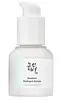
This brightening serum is formulated around Phenylethyl Resorcinol and Bambusa Vulgaris Extract to fade the look of dark spots and brighten dull-looking skin.
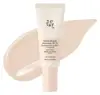
This hybrid sunscreen covers the full UV range and blocks ~97% of UVB at SPF 30.

What's inside
What's inside
 Key Ingredients
Benefits
Concerns
Ingredients Side-by-side
Water
Skin ConditioningGlycerin
Humectant


Propanediol
Solvent
Coco-Caprylate/Caprate
Emollient
1,2-Hexanediol
Skin Conditioning
Methylpropanediol
SolventPolyglyceryl-3 Distearate
Emulsifying

Betaine
Humectant
Pentylene Glycol
Skin Conditioning
Phenylethyl Resorcinol
Antioxidant


Panthenol
Skin Conditioning
Tocopheryl Acetate
Antioxidant
Xanthan Gum
EmulsifyingAcrylates/C10-30 Alkyl Acrylate Crosspolymer
Emulsion StabilisingSodium Polyacryloyldimethyl Taurate
Emulsion StabilisingDiethylhexyl Syringylidenemalonate
Skin Protecting
Tromethamine
BufferingDiphenyl Dimethicone
Emollient
Triethylhexanoin
MaskingGlyceryl Stearate Citrate
Emollient
Ethylhexylglycerin
Skin ConditioningAdenosine
Skin Conditioning
Sodium Phytate
ChelatingHydrogenated Lecithin
Emulsifying
Caprylic/Capric Triglyceride
Masking
Bambusa Vulgaris Extract
Skin Conditioning
Beta-Glucan
Skin Conditioning
Silica
Abrasive


Tocopherol
Antioxidant
Water, Glycerin, Propanediol, Coco-Caprylate/Caprate, 1,2-Hexanediol, Methylpropanediol, Polyglyceryl-3 Distearate, Betaine, Pentylene Glycol, Phenylethyl Resorcinol, Panthenol, Tocopheryl Acetate, Xanthan Gum, Acrylates/C10-30 Alkyl Acrylate Crosspolymer, Sodium Polyacryloyldimethyl Taurate, Diethylhexyl Syringylidenemalonate, Tromethamine, Diphenyl Dimethicone, Triethylhexanoin, Glyceryl Stearate Citrate, Ethylhexylglycerin, Adenosine, Sodium Phytate, Hydrogenated Lecithin, Caprylic/Capric Triglyceride, Bambusa Vulgaris Extract, Beta-Glucan, Silica, Tocopherol
Water
Skin ConditioningZinc Oxide
Cosmetic Colorant
Dimethicone
Emollient
Methyl Trimethicone
Skin Conditioning
CI 77499
Cosmetic ColorantCI 77491
Cosmetic ColorantCI 77492
Cosmetic ColorantIsododecane
EmollientButyloctyl Salicylate
Skin Conditioning
Propanediol
Solvent
Polymethylsilsesquioxane
Lauryl PEG-10 Tris(Trimethylsiloxy)Silylethyl Dimethicone
Emulsifying
Dicaprylyl Ether
Emollient
Propylheptyl Caprylate
EmollientPEG/PPG-18/18 Dimethicone
Emulsifying
Synthetic Fluorphlogopite
Trimethylsiloxysilicate
Emollient
Dimethicone/Vinyl Dimethicone Crosspolymer
Skin Conditioning
Triethoxycaprylylsilane
Magnesium Sulfate
Disteardimonium Hectorite
StabilisingDimethiconol
Emollient
Trisiloxane
Skin Conditioning
1,2-Hexanediol
Skin Conditioning
Lauryl Polyglyceryl-3 Polydimethylsiloxyethyl Dimethicone
Skin Conditioning
Glyceryl Caprylate
EmollientCaprylyl Glycol
Emollient
Ethylhexylglycerin
Skin ConditioningAdenosine
Skin Conditioning
Lactobacillus/Rice Ferment
Skin Conditioning
Tocopherol
Antioxidant
Ceramide NP
Skin Conditioning
Titanium Dioxide
Cosmetic Colorant
Aluminum Hydroxide
EmollientWater, Zinc Oxide, Dimethicone, Methyl Trimethicone, CI 77499, CI 77491, CI 77492, Isododecane, Butyloctyl Salicylate, Propanediol, Polymethylsilsesquioxane, Lauryl PEG-10 Tris(Trimethylsiloxy)Silylethyl Dimethicone, Dicaprylyl Ether, Propylheptyl Caprylate, PEG/PPG-18/18 Dimethicone, Synthetic Fluorphlogopite, Trimethylsiloxysilicate, Dimethicone/Vinyl Dimethicone Crosspolymer, Triethoxycaprylylsilane, Magnesium Sulfate, Disteardimonium Hectorite, Dimethiconol, Trisiloxane, 1,2-Hexanediol, Lauryl Polyglyceryl-3 Polydimethylsiloxyethyl Dimethicone, Glyceryl Caprylate, Caprylyl Glycol, Ethylhexylglycerin, Adenosine, Lactobacillus/Rice Ferment, Tocopherol, Ceramide NP, Titanium Dioxide, Aluminum Hydroxide
Ingredients Explained
These ingredients are found in both products.
Ingredients higher up in an ingredient list are typically present in a larger amount.
1,2-Hexanediol is a synthetic liquid and another multi-functional powerhouse.
It is a:
- Humectant, drawing moisture into the skin
- Emollient, helping to soften skin
- Solvent, dispersing and stabilizing formulas
- Preservative booster, enhancing the antimicrobial activity of other preservatives
Adenosine is a purine nucleoside that your body already makes in every cell. In skincare, it acts mainly as a skin conditioning and anti-aging agent.
The way it works is fairly well mapped out:
Your skin has cells called fibroblasts that build collagen (the stuff that keeps skin firm and smooth). Adenosine basically flips a switch on these cells that tells them to get to work making more collagen and other proteins. These cells slow down on their own as skin ages, so Adenosine helps give them a little nudge to keep going.
The clinical backing is pretty solid too.
A blind, randomized, placebo-controlled trial of 126 women aged 45-65 tested a 0.1% cream twice daily and found real improvements in crow's feet and frown lines using a precise 3D skin-mapping technique; these changes showed up by week 3 and held at 2 months.
A later study using Adenosine-loaded dissolving microneedle patches reported gains in wrinkle depth, dermal density, elasticity, and hydration.
On concentrations, South Korea's Ministry of Food and Drug Safety has set 0.04% as the approved functional anti-wrinkle level. You'll typically see this ingredient used somewhere in the 0.04-0.1% range since it works at low doses.
This ingredient has been found safe for cosmetics with the data showing no irritation or sensitization.
Overall, this is a great ingredient for any anti-aging routine and has no photosensitizing effect, so it suits both AM and PM use.
Learn more about AdenosineEthylhexylglycerin is created from glycerin. It is a multitasker ingredient that:
The CIR Expert Panel found minimal skin absorption or sensitization of any kind in a safety assessment. Though this ingredient is considered well-tolerated, a small number of cases of allergic dermatitis have been published since 2002. Just be sure to patch test if you are unsure.
Industry-reported use ranges from 8% in rinse-off products and 2% in leave-on formulations.
Learn more about EthylhexylglycerinPropanediol is an all-star ingredient. It softens, hydrates, and smooths the skin.
It’s often used to:
Propanediol is not likely to cause sensitivity and considered safe to use. It is derived from corn or petroleum with a clear color and no scent.
Learn more about PropanediolTocopherol is a fat-soluble antioxidant known as Vitamin E.
You'll find this ingredient in the vast majority of skincare (for good reason). It works to neutralize free radicals, or unstable molecules generated by UV exposure, pollution, and other environmental stressors, before they can cause oxidative damage to your skin cells.
Topically applied tocopherol has been shown to protect against UV damage by ramping up the skin's own natural defense enzymes.
It also acts as a skin conditioning agent; some studies show that regular topical use can improve the skin's water-binding capacity over 2-4 weeks.
This ingredient is especially loved for being a team player. When combined with Vitamin C, the photoprotective effect of both ingredients roughly doubles and the combo also helps reduce UV-induced DNA damage.
This ingredient has some brightening potential but it's more of a prevention ingredient than spot-fader. Cell studies show it can slow down melanin production but it's worth noting that it's not the most powerful brightener out there.
In formulations, it also serves as a stabilizer that helps protect other oxidation-prone ingredients from degrading.
Concentrations usually range from 0.1-1% in most leave-on products.
Learn more about TocopherolWater. It's the most common cosmetic ingredient of all. You'll usually see it at the top of ingredient lists, meaning that it makes up the largest part of the product.
So why is it so popular? Water most often acts as a solvent - this means that it helps dissolve other ingredients into the formulation.
You'll also recognize water as that liquid we all need to stay alive. If you see this, drink a glass of water. Remember to stay hydrated!
Learn more about Water

