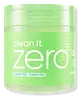
This calming toner pad uses a pre-saturated pad with Panthenol and Dipotassium Glycyrrhizate to calm redness.
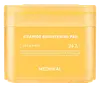
This brightening toner pad uses a pre-saturated pad with Niacinamide and Sodium Ascorbyl Phosphate to brighten dull-looking skin and fade the look of dark spots.

What's inside
What's inside
 Key Ingredients
Benefits
Concerns
Ingredients Side-by-side
Water
Skin ConditioningDipropylene Glycol
HumectantButylene Glycol
Humectant

Propanediol
Solvent
Panthenol
Skin Conditioning


Polyglyceryl-10 Laurate
Skin Conditioning

Hydroxyacetophenone
Antioxidant
Caprylyl Glycol
Emollient
Ethylhexylglycerin
Skin ConditioningGlycerin
Humectant
1,2-Hexanediol
Skin Conditioning
Dipotassium Glycyrrhizate
Humectant
Allantoin
Skin Conditioning
Sodium Hyaluronate
Humectant

Mentha Viridis Leaf Oil
Astringent


Mentha Viridis Extract
MaskingPantolactone
Humectant
Citrus Nobilis Peel Extract
Masking
Pelargonium Graveolens Extract
Masking
Eucalyptus Globulus Leaf Oil
Perfuming
Thymus Vulgaris Oil
Masking
Glyceryl Acrylate/Acrylic Acid Copolymer
HumectantBarosma Betulina Leaf Extract
Perfuming
Pvm/Ma Copolymer
Emulsion StabilisingPyrus Malus Fruit Extract
Skin Conditioning
Hydrogenated Lecithin
Emulsifying
Brassica Oleracea Acephala Leaf Extract
HumectantMelaleuca Alternifolia Leaf Extract
Perfuming
Vitis Vinifera Fruit Extract
Skin ConditioningDiospyros Kaki Leaf Extract
Skin Protecting
Coffea Arabica Seed Extract
Masking
Polygonum Cuspidatum Root Extract
Antioxidant
Carthamus Tinctorius Flower Extract
Skin ConditioningCamellia Sinensis Leaf Extract
Antimicrobial


Castanea Crenata Shell Extract
Skin ConditioningZanthoxylum Piperitum Fruit Extract
Skin ConditioningCapryloyl Salicylic Acid
Exfoliating


Disodium EDTA
ChelatingWater, Dipropylene Glycol, Butylene Glycol, Propanediol, Panthenol, Polyglyceryl-10 Laurate, Hydroxyacetophenone, Caprylyl Glycol, Ethylhexylglycerin, Glycerin, 1,2-Hexanediol, Dipotassium Glycyrrhizate, Allantoin, Sodium Hyaluronate, Mentha Viridis Leaf Oil, Mentha Viridis Extract, Pantolactone, Citrus Nobilis Peel Extract, Pelargonium Graveolens Extract, Eucalyptus Globulus Leaf Oil, Thymus Vulgaris Oil, Glyceryl Acrylate/Acrylic Acid Copolymer, Barosma Betulina Leaf Extract, Pvm/Ma Copolymer, Pyrus Malus Fruit Extract, Hydrogenated Lecithin, Brassica Oleracea Acephala Leaf Extract, Melaleuca Alternifolia Leaf Extract, Vitis Vinifera Fruit Extract, Diospyros Kaki Leaf Extract, Coffea Arabica Seed Extract, Polygonum Cuspidatum Root Extract, Carthamus Tinctorius Flower Extract, Camellia Sinensis Leaf Extract, Castanea Crenata Shell Extract, Zanthoxylum Piperitum Fruit Extract, Capryloyl Salicylic Acid, Disodium EDTA
Water
Skin ConditioningDipropylene Glycol
HumectantNiacinamide
Smoothing

Glycereth-26
Humectant
1,2-Hexanediol
Skin Conditioning
Hippophae Rhamnoides Water
Masking
Hydroxyacetophenone
Antioxidant
Betaine
Humectant
Octyldodeceth-16
EmulsifyingHydroxyethyl Urea
Humectant
Allantoin
Skin Conditioning
Dipotassium Glycyrrhizate
Humectant
Trehalose
Humectant
Xanthan Gum
EmulsifyingHydroxyethylcellulose
Emulsion StabilisingPolyglyceryl-10 Laurate
Skin Conditioning
Disodium EDTA
ChelatingOlea Europaea Fruit Oil
Masking

Hydrogenated Lecithin
Emulsifying
Pelargonium Graveolens Flower Oil
Masking
Lavandula Angustifolia Oil
Masking
Anthemis Nobilis Flower Oil
Masking
Citrus Aurantium Dulcis Peel Oil
Masking
Juniperus Mexicana Oil
Masking
Riboflavin
Cosmetic ColorantSodium Ascorbyl Phosphate
Antioxidant
Pyridoxine Hcl
Skin ConditioningRetinol
Skin Conditioning
Tocopheryl Acetate
Antioxidant
Menadione
MaskingThiamine Hcl
MaskingCitronellol
Perfuming
Linalool
Perfuming
Geraniol
Perfuming
Limonene
Perfuming
Water, Dipropylene Glycol, Niacinamide, Glycereth-26, 1,2-Hexanediol, Hippophae Rhamnoides Water, Hydroxyacetophenone, Betaine, Octyldodeceth-16, Hydroxyethyl Urea, Allantoin, Dipotassium Glycyrrhizate, Trehalose, Xanthan Gum, Hydroxyethylcellulose, Polyglyceryl-10 Laurate, Disodium EDTA, Olea Europaea Fruit Oil, Hydrogenated Lecithin, Pelargonium Graveolens Flower Oil, Lavandula Angustifolia Oil, Anthemis Nobilis Flower Oil, Citrus Aurantium Dulcis Peel Oil, Juniperus Mexicana Oil, Riboflavin, Sodium Ascorbyl Phosphate, Pyridoxine Hcl, Retinol, Tocopheryl Acetate, Menadione, Thiamine Hcl, Citronellol, Linalool, Geraniol, Limonene
Reviews
Ingredients Explained
These ingredients are found in both products.
Ingredients higher up in an ingredient list are typically present in a larger amount.
1,2-Hexanediol is a synthetic liquid and another multi-functional powerhouse.
It is a:
- Humectant, drawing moisture into the skin
- Emollient, helping to soften skin
- Solvent, dispersing and stabilizing formulas
- Preservative booster, enhancing the antimicrobial activity of other preservatives
Allantoin is a soothing ingredient known for its protective and moisturizing properties; it's basically a quiet workhorse ingredient you can find in a huge range of cosmetics.
Though it can be derived from the comfrey plant, allantoin is produced synthetically for cosmetic products to ensure purity.
Research shows it can encourage your skin cells to turn over and renew by stimulating keratinocyte and fibroblast proliferation.
It also has mild keratolytic properties to help loosen and shed dead skin cells without being harsh.
Studies also suggest allantoin can help calm inflammation by dialing down some of the chemical signals your skin sends out when it is irritated.
This ingredient is typically used in the 0.1-0.5% range, and the FDA recognizes it as a skin protectant in OTC products up to 2%.
Overall, allantoin is a wonderful addition to most routines; it is stable across a wide pH range (~4-8), works well with other ingredients, and is considered non-sensitizing/non-irritating.
Fun fact: Allantoin is naturally occurring in comfrey root, beets, chamomile, and wheat sprouts. Our bodies even produce it as a byproduct of uric acid metabolism.
Learn more about AllantoinDipotassium Glycyrrhizate comes from licorice root.
Extracts of licorice have demonstrated to have antibacterial, anti‐inflammatory, antiviral, antioxidant properties.
One component, glabridin, has extra potent antioxidant and soothing properties. It has also been found to block pigmentation from UVB rays in guinea pigs.
Licorice Root also contains a flavonoid. Flavonoids are a natural substance from in plants. Flavonoids also have antioxidant properties.
Another component, glycyrrhizin, has been found to have anti-inflammatory and antimicrobial benefits. This may make licorice root extract effective at treating acne. However, more research is needed to support this.
Liquiritin is one of the flavone compounds found in licorice. It has been found to help lighten skin by preventing tyrosinase from reacting with tyrosine. When the two react, protein is converted to melanin. Melanin is the substance in your body that gives your features pigmentation.
Licorice root is native to Southern Europe and Asia. It has been used in traditional Chinese medicine to help with respiratory issues.
Learn more about Dipotassium GlycyrrhizateDipropylene Glycol is a synthetically created humectant, stabilizer, and solvent.
This ingredient helps:
Dipropylene glycol is technically an alcohol, but it belongs to the glycol family (often considered part of the ‘good’ alcohols). This means it is hydrating and gentle on skin unlike drying solvent alcohols like denatured alcohol.
As a masking agent, Dipropylene Glycol can be used to cover the smell of other ingredients. However, it does not have a scent.
Studies show Dipropylene Glycol is considered safe to use in skincare.
Learn more about Dipropylene GlycolDisodium EDTA is a chelating agent. It grabs onto and deactivates metal ions that sneak into your products from water, packaging, or air.
This ingredient mainly works behind the scenes and helps with:
On top of that, this ingredient can counteract the effects of hard water by binding to the minerals in it.
One thing worth knowing is that Disodium EDTA has been shown to be a mild penetration enhancer. It can help other ingredients absorb into skin more effectively which can be a double-edged sword (great for actives, but can also make the active too strong if you have sensitive skin).
Clinical patch testing showed no significant skin irritation at typical use concentrations and minimal dermal absorption.
You'll most likely see this ingredient near the end of an ingredient list. It's typically found in concentrations less than 1%.
Learn more about Disodium EDTAHydrogenated Lecithin is a more stable version of lecithin.
It's made by taking lecithin (a phospholipid commonly found in soybeans and egg yolks) and hydrogenating it. This just means the unsaturated fatty acids are turned into saturated ones so they don't go bad as easily.
This ingredient is an emollient, emulsifier, and penetration enhancer. As an emollient, it helps soften and hydrate skin by trapping moisture within. As an emulsifier, it prevents oil and water ingredients from separating.
Hydrogenated Lecithin can form tiny spherical structures made of phospholipid bilayers called liposomes. These liposomes are able to capture compounds inside their structure and deliver them through the skin barrier.
Because phospholipids are a natural component of our cell membranes, this ingredient is inherently compatible with skin.
A 2021 study found lecithin-based surfactants were less harsh and more tolerable comared to Sodium Lauryl Sulfate (SLS).
Learn more about Hydrogenated LecithinHydroxyacetophenone is a small phenolic molecule that earns its place in a formulas as an antioxidant and preservative booster.
As a phenol, it is able to neutralize free radicals to protect both the product and the skin from oxidative stress.
Though it can't kill microbes on its own, it works as a good supporting agent when combined with other preservatives like Phenoxyethanol or 1,2-Hexanediol.
This ingredient naturally occurs as piceol in Norwegian spruce needles (~0.4-1.1% dry weight and in cloudberries). Though the cosmetic-grade material is synthesized for purity and consistency.
You'll usually see it used at low levels and suppliers recommend up to 1% added to a water phase.
Safety testing was done at concentrations like 0.05% in SPF products and 0.5% in a Human Repeated Insult Patch Test. The safety evidence is assuring; this ingredient is safe for cosmetics in current use and also holds safety status as a food flavoring as well.
An honest caveat: the "soothing" and "anti-inflammatory" claims come mostly from supplier marketing rather than published clinical trials. The Cosmetic Ingredient Review's own literature search found no useful efficacy studies on this ingredient.
So the antioxidant and preservative-boosting roles are the well supported ones while the calming benefit is plausible but thinly evidenced.
Overall, this is a well-tolerated, low-irritation multitasker that quietly helps a formula stay fresh and stable.
Learn more about HydroxyacetophenonePolyglyceryl-10 Laurate is a cleansing agent and emulsifier.
It rounds up dirt, oil, and grime, so they can be rinsed off easily as a cleanser.
On the emulsifier side, it keeps your formula smooth and well-mixed by playing peacekeeper for ingredients that don't naturally get along (like oil and water).
Because it has a C12 (lauric acid) fatty acid chain, this ingredient can potentially feed the Malassezia yeast that causes fungal acne. The Malassezia yeast prefers esters with C11-C24 fatty acids.
This ingredient is an ester of lauric acid and Polyglycerin-10.
Learn more about Polyglyceryl-10 LaurateWater. It's the most common cosmetic ingredient of all. You'll usually see it at the top of ingredient lists, meaning that it makes up the largest part of the product.
So why is it so popular? Water most often acts as a solvent - this means that it helps dissolve other ingredients into the formulation.
You'll also recognize water as that liquid we all need to stay alive. If you see this, drink a glass of water. Remember to stay hydrated!
Learn more about Water

