This oil-based makeup remover is made to dissolve makeup, sunscreen, and daily buildup.
This oil-based cleanser is made to cleanse without leaving your skin tight or dry.

What's inside
What's inside
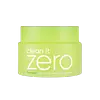 Key Ingredients
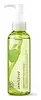
No key ingredients
Benefits
Concerns
Ingredients Side-by-side
Ethylhexyl Stearate
Emollient




Cetyl Ethylhexanoate
EmollientSorbeth-30 Tetraoleate
Emulsifying
Synthetic Wax
Abrasive
Water
Skin ConditioningButyrospermum Parkii Butter
Skin Conditioning

Silica
Abrasive

Butylene Glycol
Humectant
Parfum
Masking


Titanium Dioxide
Cosmetic Colorant

Glyceryl Caprylate
EmollientCaprylyl Glycol
Emollient
Persea Gratissima Oil
Skin Conditioning
Simmondsia Chinensis Seed Oil
Emollient
Squalane
Emollient
Sorbitan Sesquioleate
Emulsifying
Pentaerythrityl Tetra-Di-T-Butyl Hydroxyhydrocinnamate
Antioxidant
Polyglyceryl-3 Polyricinoleate
Emulsifying
Gardenia Florida Fruit Extract
Skin ConditioningPanthenol
Skin Conditioning

Glycerin
Humectant
Onsen-Sui
Aluminum Hydroxide
EmollientTriethoxycaprylylsilane

1,2-Hexanediol
Skin Conditioning
Lactobacillus Ferment
Skin Conditioning
Palmitic Acid
Emollient
Stearic Acid
Cleansing
Ethylhexyl Stearate, Cetyl Ethylhexanoate, Sorbeth-30 Tetraoleate, Synthetic Wax, Water, Butyrospermum Parkii Butter, Silica, Butylene Glycol, Parfum, Titanium Dioxide, Glyceryl Caprylate, Caprylyl Glycol, Persea Gratissima Oil, Simmondsia Chinensis Seed Oil, Squalane, Sorbitan Sesquioleate, Pentaerythrityl Tetra-Di-T-Butyl Hydroxyhydrocinnamate, Polyglyceryl-3 Polyricinoleate, Gardenia Florida Fruit Extract, Panthenol, Glycerin, Onsen-Sui, Aluminum Hydroxide, Triethoxycaprylylsilane, 1,2-Hexanediol, Lactobacillus Ferment, Palmitic Acid, Stearic Acid
Cetyl Ethylhexanoate
EmollientIsopropyl Palmitate
Emollient
Triethylhexanoin
MaskingCaprylic/Capric Triglyceride
Masking
Polyglyceryl-6 Dicaprate
EmulsifyingCocos Nucifera Oil
Masking
Polyglyceryl-10 Diisostearate
Emulsifying
Diisostearyl Malate
EmollientPolyglyceryl-6 Caprylate
EmulsifyingParfum
Masking
Water
Skin ConditioningCoco-Caprylate/Caprate
Emollient
Pyrus Malus Seed Oil
Emollient
Pyrus Malus Fruit Extract
Skin Conditioning
Butylene Glycol
Humectant
1,2-Hexanediol
Skin Conditioning
Cetyl Ethylhexanoate, Isopropyl Palmitate, Triethylhexanoin, Caprylic/Capric Triglyceride, Polyglyceryl-6 Dicaprate, Cocos Nucifera Oil, Polyglyceryl-10 Diisostearate, Diisostearyl Malate, Polyglyceryl-6 Caprylate, Parfum, Water, Coco-Caprylate/Caprate, Pyrus Malus Seed Oil, Pyrus Malus Fruit Extract, Butylene Glycol, 1,2-Hexanediol
Reviews
Ingredients Explained
These ingredients are found in both products.
Ingredients higher up in an ingredient list are typically present in a larger amount.
1,2-Hexanediol is a synthetic liquid and another multi-functional powerhouse.
It is a:
- Humectant, drawing moisture into the skin
- Emollient, helping to soften skin
- Solvent, dispersing and stabilizing formulas
- Preservative booster, enhancing the antimicrobial activity of other preservatives
Butylene Glycol (or BG) is used within cosmetic products for a few different reasons:
Overall, Butylene Glycol is a safe and well-rounded ingredient that works well with other ingredients.
Though this ingredient works well with most skin types, some people with sensitive skin may experience a reaction such as allergic rashes, closed comedones, or itchiness.
Learn more about Butylene GlycolCetyl Ethylhexanoate is an emollient ester. It comes from cetearyl alcohol and 2-ethylhexanoic acid.
Cetyl Ethylhexanoate is an emollient that adds a velvety feel to skin without being greasy or oily. Emollients help trap moisture into your skin, keeping your skin soft and hydrated.
Parfum is a catch-all term for an ingredient or more that is used to give a scent to products.
Also called "fragrance", this ingredient can be a blend of hundreds of chemicals or plant oils. This means every product with "fragrance" or "parfum" in the ingredients list is a different mixture.
For instance, Habanolide is a proprietary trade name for a specific aroma chemical. When used as a fragrance ingredient in cosmetics, most aroma chemicals fall under the broad labeling category of “FRAGRANCE” or “PARFUM” according to EU and US regulations.
The term 'parfum' or 'fragrance' is not regulated in many countries. In many cases, it is up to the brand to define this term.
For instance, many brands choose to label themselves as "fragrance-free" because they are not using synthetic fragrances. However, their products may still contain ingredients such as essential oils that are considered a fragrance by INCI standards.
One example is Calendula flower extract. Calendula is an essential oil that still imparts a scent or 'fragrance'.
Depending on the blend, the ingredients in the mixture can cause allergies and sensitivities on the skin. Some ingredients that are known EU allergens include linalool and citronellol.
Parfum can also be used to mask or cover an unpleasant scent.
The bottom line is: not all fragrances/parfum/ingredients are created equally. If you are worried about fragrances, we recommend taking a closer look at an ingredient. And of course, we always recommend speaking with a professional.
Learn more about ParfumWater. It's the most common cosmetic ingredient of all. You'll usually see it at the top of ingredient lists, meaning that it makes up the largest part of the product.
So why is it so popular? Water most often acts as a solvent - this means that it helps dissolve other ingredients into the formulation.
You'll also recognize water as that liquid we all need to stay alive. If you see this, drink a glass of water. Remember to stay hydrated!
Learn more about Water

