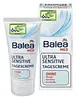
This calming moisturizer is formulated around Butyrospermum Parkii Butter and Panthenol to calm redness and hydrate skin.
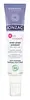
This calming moisturizer is formulated around Lactobacillus Ferment and Phytosphingosine to calm redness and strengthen the skin barrier.


What's inside
What's inside
 Key Ingredients
Benefits
Concerns
Ingredients Side-by-side
Water
Skin ConditioningGlycerin
Humectant


Ethylhexyl Stearate
Emollient




Helianthus Annuus Hybrid Oil
Emollient
Behenyl Alcohol
Emollient
Cetyl Alcohol
Emollient
Glyceryl Stearate
Emollient
Pentaerythrityl Distearate
Emulsifying
Butyrospermum Parkii Butter
Skin Conditioning
Dicaprylyl Carbonate
EmollientPanthenol
Skin Conditioning

Allantoin
Skin Conditioning
Tocopheryl Acetate
Antioxidant


Sodium Stearoyl Glutamate
CleansingMicrocrystalline Cellulose
AbsorbentXanthan Gum
EmulsifyingCellulose Gum
Emulsion StabilisingCaprylyl Glycol
Emollient
Caprylhydroxamic Acid
ChelatingSilica
Abrasive


Citric Acid
Buffering
Sodium Hydroxide
BufferingWater, Glycerin, Ethylhexyl Stearate, Helianthus Annuus Hybrid Oil, Behenyl Alcohol, Cetyl Alcohol, Glyceryl Stearate, Pentaerythrityl Distearate, Butyrospermum Parkii Butter, Dicaprylyl Carbonate, Panthenol, Allantoin, Tocopheryl Acetate, Sodium Stearoyl Glutamate, Microcrystalline Cellulose, Xanthan Gum, Cellulose Gum, Caprylyl Glycol, Caprylhydroxamic Acid, Silica, Citric Acid, Sodium Hydroxide
Water
Skin ConditioningHamamelis Virginiana Leaf Water
Astringent
Dicaprylyl Carbonate
EmollientCoco-Caprylate/Caprate
Emollient
Glycerin
Humectant
Glyceryl Stearate Citrate
Emollient
Octyldodecanol
Emollient
Polyglyceryl-6 Stearate
Emollient
Lactobacillus Ferment
Skin Conditioning
Sodium Stearoyl Glutamate
CleansingJojoba Esters
Emollient
Hydrogenated Lecithin
Emulsifying
Sodium Levulinate
Skin ConditioningSodium Benzoate
Masking
Xanthan Gum
EmulsifyingGlyceryl Undecylenate
Emollient
Lactic Acid
Buffering


Glyceryl Caprylate
EmollientPhytic Acid
Chelating
Cellulose Gum
Emulsion StabilisingChondrus Crispus
Masking
Ceratonia Siliqua Gum
EmollientSucrose
Humectant
Phytosphingosine
Skin Conditioning
Chlorella Vulgaris Extract
Skin ConditioningCI 77492
Cosmetic ColorantGinkgo Biloba Leaf Extract
Skin Conditioning
Tocopherol
Antioxidant
CI 77510
Cosmetic ColorantTalc
Abrasive
Helianthus Annuus Seed Oil
Emollient
Glycine Soja Oil
Emollient
Water, Hamamelis Virginiana Leaf Water, Dicaprylyl Carbonate, Coco-Caprylate/Caprate, Glycerin, Glyceryl Stearate Citrate, Octyldodecanol, Polyglyceryl-6 Stearate, Lactobacillus Ferment, Sodium Stearoyl Glutamate, Jojoba Esters, Hydrogenated Lecithin, Sodium Levulinate, Sodium Benzoate, Xanthan Gum, Glyceryl Undecylenate, Lactic Acid, Glyceryl Caprylate, Phytic Acid, Cellulose Gum, Chondrus Crispus, Ceratonia Siliqua Gum, Sucrose, Phytosphingosine, Chlorella Vulgaris Extract, CI 77492, Ginkgo Biloba Leaf Extract, Tocopherol, CI 77510, Talc, Helianthus Annuus Seed Oil, Glycine Soja Oil
Reviews
Ingredients Explained
These ingredients are found in both products.
Ingredients higher up in an ingredient list are typically present in a larger amount.
Cellulose Gum is a water-soluble polymer that comes from cellulose. It is used to change the texture of a product and to help stabilize emulsions.
As an emulsifier, cellulose gum specifically thicken the texture of water-based products.
This ingredient is considered hypoallergenic and non-toxic. Cellulose Gum can be found in cosmetics, food, and other household goods such as paper products.
Learn more about Cellulose GumDicaprylyl Carbonate comes from carbonic acid and caprylyl alcohol, a fatty alcohol. It is an emollient and gives skin a velvet feel. The sources of Dicaprylyl Carbonate may be synthetic or from animals.
As an emollient, Dicaprylyl Carbonate creates a film on the skin. This film traps moisture in, keeping your skin soft and hydrated.
Glycerin (or glycerol) is a compound naturally found in your skin. It's a powerhouse humectant that pulls water into the stratum corneum.
Topically, glycerin does several things at once:
Your skin makes glycerin on its own (mostly from sebaceous oil breakdown) and shuttles it to your outermost layer of skin, or your epidermis, via aquaporin-3.
Aquaporin-3 is a transporter that is essential for normal skin hydration, elasticity, and repair. Interestingly, mice lacking in AQP3 have dry and less elastic skin that can be fully corrected with glycerin.
This ingredient is non-irritating, plays well with almost every ingredient, and works across all skin types. Typical use is anywhere between 3-10% but can go up to 79% in some leave-on products.
Just know very high concentrations (>40%) can feel tacky in low humidity.
Glycerin is the name for this ingredient in American English. British English uses Glycerol/Glycerine.
Learn more about GlycerinSodium Stearoyl Glutamate is an amino-acid based emulsifier. It is made by combining stearic acid with L-glutamic acid and neutralizing it to a sodium salt.
As an emulsifier, it works mainly as an oil-in-water one and helps keep the oil and water in your formulas blended. It also contributes to a smooth, non-greasy skin feel.
This ingredient is biodegradable and commonly available in natural/COSMOS-certified grades.
Learn more about Sodium Stearoyl GlutamateWater. It's the most common cosmetic ingredient of all. You'll usually see it at the top of ingredient lists, meaning that it makes up the largest part of the product.
So why is it so popular? Water most often acts as a solvent - this means that it helps dissolve other ingredients into the formulation.
You'll also recognize water as that liquid we all need to stay alive. If you see this, drink a glass of water. Remember to stay hydrated!
Learn more about WaterXanthan gum is used as a stabilizer and thickener within cosmetic products. It helps give products a sticky, thick feeling - preventing them from being too runny.
On the technical side of things, xanthan gum is a polysaccharide - a combination consisting of multiple sugar molecules bonded together.
Xanthan gum is a pretty common and great ingredient. It is a natural, non-toxic, non-irritating ingredient that is also commonly used in food products.
Learn more about Xanthan Gum

