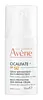
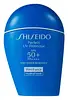
Avène Cicalfate+ Multi-Protective Skin Repair Cream SPF 50+ Versus Shiseido Perfect UV Protector Hydrofresh SPF 50+ PA++++
This chemical sunscreen covers the full UV range and blocks ~98% of UVB at SPF 50.
This hybrid sunscreen covers the full UV range and blocks ~98% of UVB at SPF 50.


What's inside
What's inside
 Key Ingredients
Benefits
Concerns
Ingredients Side-by-side
Water
Skin ConditioningC12-15 Alkyl Benzoate
AntimicrobialCaprylic/Capric Triglyceride
Masking


Dicaprylyl Carbonate
EmollientGlycerin
Humectant
Diethylamino Hydroxybenzoyl Hexyl Benzoate
UV Filter
Ethylhexyl Triazone
UV Absorber
Panthenol
Skin Conditioning

Polyglyceryl-6 Stearate
Emollient

Phenylene Bis-Diphenyltriazine
Stabilising
Bis-Ethylhexyloxyphenol Methoxyphenyl Triazine
UV Absorber
Vp/Eicosene Copolymer
Aquaphilus Dolomiae Ferment Filtrate
Skin ConditioningArginine
Masking
Benzoic Acid
Masking

Caprylyl Glycol
Emollient
Glyceryl Stearate
Emollient
Glycine Soja Oil
Emollient



Pantolactone
Humectant
Polyglyceryl-6 Behenate
Emulsion Stabilising
PPG-1-PEG-9 Lauryl Glycol Ether
EmulsifyingCI 17200
Cosmetic ColorantSodium Hyaluronate
Humectant

Stearyl Alcohol
Emollient
Tocopherol
Antioxidant


Tocopheryl Glucoside
EmollientTromethamine
BufferingXanthan Gum
EmulsifyingZinc Sulfate
Antimicrobial
Water, C12-15 Alkyl Benzoate, Caprylic/Capric Triglyceride, Dicaprylyl Carbonate, Glycerin, Diethylamino Hydroxybenzoyl Hexyl Benzoate, Ethylhexyl Triazone, Panthenol, Polyglyceryl-6 Stearate, Phenylene Bis-Diphenyltriazine, Bis-Ethylhexyloxyphenol Methoxyphenyl Triazine, Vp/Eicosene Copolymer, Aquaphilus Dolomiae Ferment Filtrate, Arginine, Benzoic Acid, Caprylyl Glycol, Glyceryl Stearate, Glycine Soja Oil, Pantolactone, Polyglyceryl-6 Behenate, PPG-1-PEG-9 Lauryl Glycol Ether, CI 17200, Sodium Hyaluronate, Stearyl Alcohol, Tocopherol, Tocopheryl Glucoside, Tromethamine, Xanthan Gum, Zinc Sulfate
Water
Skin ConditioningZinc Oxide
Cosmetic Colorant
Alcohol
Antimicrobial


Isododecane
EmollientEthylhexyl Methoxycinnamate
UV Absorber
Caprylyl Methicone
Skin Conditioning
Butylene Glycol
Humectant
Bis-Ethylhexyloxyphenol Methoxyphenyl Triazine
UV Absorber
Sucrose Tetrastearate Triacetate
Emollient
PEG-60 Hydrogenated Castor Oil
Emulsifying
Diethylhexyl Succinate
EmollientEthylhexyl Triazone
UV Absorber
Silica
Abrasive

Dimethicone
Emollient
Dextrin Palmitate
Emulsifying
Xylitol
Humectant
PPG-17
Skin ConditioningTriethoxycaprylylsilane
Isostearic Acid
Cleansing
Distearyldimonium Chloride
Dimethylacrylamide/Sodium Acryloyldimethyltaurate Crosspolymer
Sorbitan Sesquiisostearate
Emulsifying
Menthyl Lactate
Masking
Menthol
Masking
Succinoglycan
Skin ConditioningCellulose Gum
Emulsion StabilisingParfum
Masking

Nylon-12
Citric Acid
Buffering
BHT
Antioxidant
Tocopherol
Antioxidant
Trisodium EDTA
ChelatingSodium Metabisulfite
Antioxidant
Stearic Acid
Cleansing
Thiotaurine
Antioxidant
PEG/PPG-14/7 Dimethyl Ether
Skin ConditioningSaxifraga Sarmentosa Extract
Skin ConditioningSodium Citrate
BufferingRoyal Jelly Extract
Skin Conditioning
Syzygium Jambos Leaf Extract
Skin ConditioningSophora Angustifolia Root Extract
Skin ConditioningWater, Zinc Oxide, Alcohol, Isododecane, Ethylhexyl Methoxycinnamate, Caprylyl Methicone, Butylene Glycol, Bis-Ethylhexyloxyphenol Methoxyphenyl Triazine, Sucrose Tetrastearate Triacetate, PEG-60 Hydrogenated Castor Oil, Diethylhexyl Succinate, Ethylhexyl Triazone, Silica, Dimethicone, Dextrin Palmitate, Xylitol, PPG-17, Triethoxycaprylylsilane, Isostearic Acid, Distearyldimonium Chloride, Dimethylacrylamide/Sodium Acryloyldimethyltaurate Crosspolymer, Sorbitan Sesquiisostearate, Menthyl Lactate, Menthol, Succinoglycan, Cellulose Gum, Parfum, Nylon-12, Citric Acid, BHT, Tocopherol, Trisodium EDTA, Sodium Metabisulfite, Stearic Acid, Thiotaurine, PEG/PPG-14/7 Dimethyl Ether, Saxifraga Sarmentosa Extract, Sodium Citrate, Royal Jelly Extract, Syzygium Jambos Leaf Extract, Sophora Angustifolia Root Extract
Reviews
Ingredients Explained
These ingredients are found in both products.
Ingredients higher up in an ingredient list are typically present in a larger amount.
This ingredient is better known as bemotrizinol or Tinosorb S and is one of the best broad-spectrum UV filters in modern sunscreen.
It works by absorbing UV light across a whole range (280-400 nm) with peaks around 310 nm (UVB) and 340-345 nm (UVA). This means it covers UVB plus the deeper UVA wavelengths that drive photoaging and pigmentation.
Another pro?
It's exceptionally photostable, barely degrades in sunlight, and acts as a "bodyguard" for less stable filters.
That's why you'll see it paired with avobenzone or octinoxate; this team up ensures they keep working through sun exposure.
Safety reviews have been reassuring across the board. This ingredient shows low absorption through the skin, rarely irritates, and lab studies found it doesn't act like a hormone in the body (a concern that's been raised about some older sunscreen filters).
On maximum concentrations:
In 2026, the US F.D.A finally added it as an OTC sunscreen ingredient at concentrations up to 6% for adults / children 6 months and older
Learn more about Bis-Ethylhexyloxyphenol Methoxyphenyl TriazineEthylhexyl Triazone (aka Octyl Triazone) is an oil-soluble organic UVB filter. It has peak absorption around 314 nm, right in the middle of the UVB range.
This ingredient is described as one of the most effective UVB filters available and small concentrations are enough to deliver a high SPF thanks to its strong UV absorbing power.
Formulators love it for its stability; its ability to filter UV stays practically unchanged even under intense radiation and it can also help boost the photostability of less stable filters like avobenzone.
It's also a great pick for water resistant products because it's insoluble in water and has a good affinity for keratin.
Because it's a big, heavy molecule, the European Scientific Committee has found to to have very low dermal penetration and negative results for allergenicity.
In vitro testing also showed a low absorption rate and clean results on irritation.
Typical use levels are 1-5% with 5% being the maximum in the EU, Japan, and other markets that allow it. However, this ingredient is not approved yet in the US or Canada.
Learn more about Ethylhexyl TriazoneTocopherol is a fat-soluble antioxidant known as Vitamin E.
You'll find this ingredient in the vast majority of skincare (for good reason). It works to neutralize free radicals, or unstable molecules generated by UV exposure, pollution, and other environmental stressors, before they can cause oxidative damage to your skin cells.
Topically applied tocopherol has been shown to protect against UV damage by ramping up the skin's own natural defense enzymes.
It also acts as a skin conditioning agent; some studies show that regular topical use can improve the skin's water-binding capacity over 2-4 weeks.
This ingredient is especially loved for being a team player. When combined with Vitamin C, the photoprotective effect of both ingredients roughly doubles and the combo also helps reduce UV-induced DNA damage.
This ingredient has some brightening potential but it's more of a prevention ingredient than spot-fader. Cell studies show it can slow down melanin production but it's worth noting that it's not the most powerful brightener out there.
In formulations, it also serves as a stabilizer that helps protect other oxidation-prone ingredients from degrading.
Concentrations usually range from 0.1-1% in most leave-on products.
Learn more about TocopherolWater. It's the most common cosmetic ingredient of all. You'll usually see it at the top of ingredient lists, meaning that it makes up the largest part of the product.
So why is it so popular? Water most often acts as a solvent - this means that it helps dissolve other ingredients into the formulation.
You'll also recognize water as that liquid we all need to stay alive. If you see this, drink a glass of water. Remember to stay hydrated!
Learn more about Water

