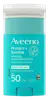
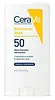
This sunscreen offers SPF 50 protection with a dewy, hydrating finish.
This hybrid sunscreen covers the full UV range and blocks ~98% of UVB at SPF 50.

What's inside
What's inside
 Key Ingredients
Benefits
Concerns
Ingredients Side-by-side
Water
Skin ConditioningIsohexadecane
EmollientC12-15 Alkyl Benzoate
AntimicrobialEthylhexyl Methoxycrylene
Skin Conditioning
Behenyl Alcohol
Emollient
Steareth-21
CleansingGlyceryl Stearate
Emollient

PEG-100 Stearate
Surfactant
Calcium Aluminum Borosilicate
Euphorbia Cerifera Wax
Polyhydroxystearic Acid
Emulsifying
Cetyl Alcohol
Emollient
Triethoxycaprylylsilane

Aluminum Hydroxide
EmollientXanthan Gum
EmulsifyingStearic Acid
Cleansing

Phenoxyethanol
Preservative
Ethylhexylglycerin
Skin ConditioningGlycerin
Humectant

Chlorphenesin
Antimicrobial
Tocopheryl Acetate
Antioxidant


Disodium EDTA
Aloe Barbadensis Leaf Extract
Emollient

Avena Sativa Kernel Extract
Abrasive
Water, Isohexadecane, C12-15 Alkyl Benzoate, Ethylhexyl Methoxycrylene, Behenyl Alcohol, Steareth-21, Glyceryl Stearate, PEG-100 Stearate, Calcium Aluminum Borosilicate, Euphorbia Cerifera Wax, Polyhydroxystearic Acid, Cetyl Alcohol, Triethoxycaprylylsilane, Aluminum Hydroxide, Xanthan Gum, Stearic Acid, Phenoxyethanol, Ethylhexylglycerin, Glycerin, Chlorphenesin, Tocopheryl Acetate, Disodium EDTA, Aloe Barbadensis Leaf Extract, Avena Sativa Kernel Extract
Titanium Dioxide 6%
Cosmetic Colorant
Zinc Oxide 4.7%
Cosmetic Colorant
C12-15 Alkyl Benzoate
AntimicrobialButyloctyl Salicylate
Skin Conditioning
Neopentyl Glycol Diethylhexanoate
Emollient
Paraffin
Skin Conditioning
Euphorbia Cerifera Wax
Ozokerite
Emulsion StabilisingDimethicone
Emollient
Beeswax
Emulsion Stabilising

Polyethylene
Abrasive
Cetyl Alcohol
Emollient
Ceramide NP
Skin Conditioning

Ceramide AP
Skin Conditioning
Ceramide EOP
Skin Conditioning
Cholesterol
Emollient
Phytosphingosine
Skin Conditioning
Sodium Hyaluronate
Humectant
Polyhydroxystearic Acid
Emulsifying
Aluminum Hydroxide
EmollientStearic Acid
Cleansing
BHT
Antioxidant
Carbomer
Emulsion StabilisingTriethoxycaprylylsilane
Isostearic Acid
Cleansing
Sodium Lauroyl Lactylate
EmulsifyingXanthan Gum
EmulsifyingTitanium Dioxide 6%, Zinc Oxide 4.7%, C12-15 Alkyl Benzoate, Butyloctyl Salicylate, Neopentyl Glycol Diethylhexanoate, Paraffin, Euphorbia Cerifera Wax, Ozokerite, Dimethicone, Beeswax, Polyethylene, Cetyl Alcohol, Ceramide NP, Ceramide AP, Ceramide EOP, Cholesterol, Phytosphingosine, Sodium Hyaluronate, Polyhydroxystearic Acid, Aluminum Hydroxide, Stearic Acid, BHT, Carbomer, Triethoxycaprylylsilane, Isostearic Acid, Sodium Lauroyl Lactylate, Xanthan Gum
Ingredients Explained
These ingredients are found in both products.
Ingredients higher up in an ingredient list are typically present in a larger amount.
Aluminum Hydroxide is a form of aluminum. It can be naturally found in nature as the mineral gibbsite. In cosmetics, Aluminum Hydroxide is used as a colorant, pH adjuster, and absorbent.
As a colorant, Aluminum Hydroxide may add opacity, or reduce the transparency. Aluminum hydroxide is contains both basic and acidic properties.
According to manufacturers, this ingredient is an emollient and humectant. This means it helps hydrate the skin.
In medicine, this ingredient is used to help relieve heartburn and help heal ulcers.
There is currently no credible scientific evidence linking aluminum hydroxide in cosmetics to increased cancer risk.
Major health organizations allow the use of aluminum hydroxide in personal care products and have not flagged it as a carcinogenic risk at typical usage levels.
Learn more about Aluminum HydroxideC12-15 Alkyl Benzoate is a lightweight emollient made by combinig benzoic acid with fatty alcohols that are 12-15 carbons long.
In cosmetics, it plays several roles:
The Cosmetic Review Expert Panel has concluded the alkyl benzoate group to be safe as used in cosmetics; it wasn't found to be a skin irritant and unlikely to be absorbed due to its low water solubility.
This report recorded almost 1000 reported uses with concentrations up to 59% in leave-on products but your cosmetics will typically use 0.5-15% depending on the product.
It's often called a "SPF booster": this is because it keeps UV filters properly dissolved and evenly distributed to support a sunscreen's performance. It doesn't actually raise SPF on its own.
Overall, this ingredient is well tolerated.
This ingredient is fungal acne safe because it is an ester of benzoic acid.
Think of this ingredient as two parts stuck together: an oily part and an acid part. Malassezia only gets a meal when it can snip off a fatty acid to eat. With C12-15 Alkyl Benzoate, the acid part is benzoic acid, which isn't a fatty acid and which the yeast can't use as food.
Benzoic acid is actually used as a preservative to stop yeast from growing.
The oily part is a blend of C12-15 fatty alcohols but fatty alcohols in this size range can support only a little Malassezia growth (mostly for one species of Malassezia as well).
In the ingredient, those alcohols stay locked inside the molecule. The yeast can only reach them by snipping the benzoate bond, and that type of bond is harder for it to cut than a normal fatty bond.
So not much gets released. And whatever does get snipped comes packaged with benzoic acid, which discourages yeast growth.
Learn more about C12-15 Alkyl BenzoateCetyl Alcohol is a fatty alcohol. Fatty Alcohols are most often used as an emollient or to thicken a product.
Its main roles are:
Though it has "alcohol" in the name, it is not related to denatured alcohol or ethyl alcohol.
The FDA allows products labeled "alcohol-free" to have fatty alcohols.
This ingredient may not be fungal acne safe. It is a primary fatty alcohol with a chain length above 12 carbons. A study from 2019 show Malassezia can feed on fatty alcohols in this range, so it may trigger fungal acne in those prone to it.
Learn more about Cetyl AlcoholPolyhydroxystearic Acid is a vegetable-derived soft wax made from castor oil. It's an emulsion stabilizer, thickener, and film former.
You'll likely see it in sunscreens because it helps disperse pigments and UV-reflecting minerals like titanium dioxide and zinc oxide evenly.
Depending on the concentration, it can drastically change the texture of a product from pasty solid (like lipstick) to sprayable liquid.
The CIR Expert Panel for Cosmetic Ingredient Safety has concluded this ingredient to be safe in cosmetics. The highest reported use concentration is 14.2% in lipsticks.
Learn more about Polyhydroxystearic AcidStearic Acid is a fatty acid that is already found in your skin. It's one of the free fatty acids that works alongside ceramides and cholesterols to maintain your barrier.
In cosmetics, it is a multitasker:
Safety-wise, the CIR Expert Panel has concluded it to be safe in cosmetics when formulated to be non-irritating and non-sensitizing.
Free stearic acid is a C18 fatty acid that the Malassezia yeast can substrate, so this ingredient may not be fungal acne safe.
Learn more about Stearic AcidTriethoxycaprylylsilane is a silicon-based surface modifier that makes sunscreens feel silky and makeup stay put.
Its main job is to coat mineral particles like titanium dioxide, zinc oxide, and color pigments in a thin, oily layer so they spread smoothly, don't clump, and stick to skin better.
This ingredient is typically used at low levels (up to 2.5% in eyeshadow and 1% in lipstick).
Learn more about TriethoxycaprylylsilaneXanthan gum is used as a stabilizer and thickener within cosmetic products. It helps give products a sticky, thick feeling - preventing them from being too runny.
On the technical side of things, xanthan gum is a polysaccharide - a combination consisting of multiple sugar molecules bonded together.
Xanthan gum is a pretty common and great ingredient. It is a natural, non-toxic, non-irritating ingredient that is also commonly used in food products.
Learn more about Xanthan GumEuphorbia Cerifera Wax (aka candelilla wax) is a vegan stand-in for beeswax. It is a plant-derived wax that functions as an astringent, emulsion stabilizer, film-former, and skin conditioner.
On skin, it forms a protective barrier that helps lock in moisture while it enhances product stability, prevents separation, and helps color last longer in makeup.
This ingredient is generally safe for use in cosmetics with one nuance: some grades of candelilla wax can naturally contain benzyl alcohol at concentrations high enough to require declaration under EU labeling rules. This isn't a concern for most people but relevant for those with fragrance sensitivities.
Candelilla wax contains fatty acids (mainly C31) and wax esters that can be used by the Malassezia yeast, so this ingredient may not be fungal acne safe.
You might see Euphorbia Cerifera "Cera" instead of "wax". This is because some brands, databases, or labels use it interchangeably; they're the same ingredient.
Learn more about Euphorbia Cerifera Wax

