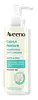
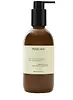
Aveeno Calm + Restore Nourishing Oat Cleanser For Sensitive Skin Versus Hyeja Vegan Rice Probiotics Gentle Micellar Cleansing Milk
This mild gel cleanser is mild enough to cleanse without leaving skin feeling tight or stripped.
This mild cream cleanser is made to cleanse without leaving your skin tight or dry.


What's inside
What's inside
 Key Ingredients
Benefits
Concerns
Ingredients Side-by-side
Water
Skin ConditioningGlycerin
Humectant


Butylene Glycol
Humectant
Avena Sativa Kernel Flour
Abrasive

Polysorbate 20
Emulsifying

Poloxamer 188
EmulsifyingZea Mays Starch
Absorbent
Acrylates/C10-30 Alkyl Acrylate Crosspolymer
Emulsion StabilisingCaprylyl Glycol
Emollient
Phenoxyethanol
Preservative
Disodium EDTA
ChelatingEthylhexylglycerin
Skin ConditioningSodium Polyacrylate
Absorbent
Sodium Hydroxide
BufferingChrysanthemum Parthenium Flower/Leaf/Stem Juice
Antioxidant
Sodium Hyaluronate
Humectant


Water, Glycerin, Butylene Glycol, Avena Sativa Kernel Flour, Polysorbate 20, Poloxamer 188, Zea Mays Starch, Acrylates/C10-30 Alkyl Acrylate Crosspolymer, Caprylyl Glycol, Phenoxyethanol, Disodium EDTA, Ethylhexylglycerin, Sodium Polyacrylate, Sodium Hydroxide, Chrysanthemum Parthenium Flower/Leaf/Stem Juice, Sodium Hyaluronate
Water
Skin ConditioningCetyl Ethylhexanoate
EmollientButylene Glycol
Humectant
Ethylhexyl Palmitate
Emollient


Glycereth-26
Humectant
1,2-Hexanediol
Skin Conditioning
C14-22 Alcohols
Emulsion Stabilising
Ceteareth-20
Cleansing
Cetearyl Olivate
Polyglyceryl-10 Laurate
Skin Conditioning
Glyceryl Stearate
Emollient
Sorbitan Olivate
Emulsifying
C12-20 Alkyl Glucoside
EmulsifyingAcrylates/C10-30 Alkyl Acrylate Crosspolymer
Emulsion StabilisingTromethamine
BufferingXanthan Gum
EmulsifyingEthylhexylglycerin
Skin ConditioningSodium Phytate
ChelatingBenzotriazolyl Dodecyl P-Cresol
UV AbsorberOryza Sativa Extract
Absorbent

Rice Ferment Filtrate
Skin Conditioning
Salicylic Acid
Masking





Helianthus Annuus Seed Oil
Emollient
Polyacrylate-13
Houttuynia Cordata Extract
Skin Conditioning
Hydrogenated Polyisobutene
EmollientGlycerin
Humectant
Pyrus Malus Fruit Extract
Skin Conditioning
Propanediol
Solvent
Sodium Hyaluronate Crosspolymer
Humectant
Hydrolyzed Glycosaminoglycans
HumectantSorbitan Isostearate
Emulsifying
Sodium Hyaluronate
Humectant
Benzyl Glycol
SolventLactobacillus Ferment
Skin Conditioning
Hydrolyzed Hyaluronic Acid
Humectant
Hyaluronic Acid
Humectant
Raspberry Ketone
Masking

Water, Cetyl Ethylhexanoate, Butylene Glycol, Ethylhexyl Palmitate, Glycereth-26, 1,2-Hexanediol, C14-22 Alcohols, Ceteareth-20, Cetearyl Olivate, Polyglyceryl-10 Laurate, Glyceryl Stearate, Sorbitan Olivate, C12-20 Alkyl Glucoside, Acrylates/C10-30 Alkyl Acrylate Crosspolymer, Tromethamine, Xanthan Gum, Ethylhexylglycerin, Sodium Phytate, Benzotriazolyl Dodecyl P-Cresol, Oryza Sativa Extract, Rice Ferment Filtrate, Salicylic Acid, Helianthus Annuus Seed Oil, Polyacrylate-13, Houttuynia Cordata Extract, Hydrogenated Polyisobutene, Glycerin, Pyrus Malus Fruit Extract, Propanediol, Sodium Hyaluronate Crosspolymer, Hydrolyzed Glycosaminoglycans, Sorbitan Isostearate, Sodium Hyaluronate, Benzyl Glycol, Lactobacillus Ferment, Hydrolyzed Hyaluronic Acid, Hyaluronic Acid, Raspberry Ketone
Reviews
Ingredients Explained
These ingredients are found in both products.
Ingredients higher up in an ingredient list are typically present in a larger amount.
Acrylates/C10-30 Alkyl Acrylate Crosspolymer is a synthetic polymer. It is used to thicken, emulsify, and improve the texture of products.
As an emulsifier, it helps stabilize oil-in-water emulsions to give products an elegant feel when applied.
It can also form a thin protective film on skin. One study found that a formula using this polymer helped slow down how quickly other ingredients (like DEET) were absorbed through skin.
A 2024 study of over 1,300 patients confirmed that sensitization to this ingredient is rare. It is also non-mutagenic and has a clean track record.
Learn more about Acrylates/C10-30 Alkyl Acrylate CrosspolymerButylene Glycol (or BG) is used within cosmetic products for a few different reasons:
Overall, Butylene Glycol is a safe and well-rounded ingredient that works well with other ingredients.
Though this ingredient works well with most skin types, some people with sensitive skin may experience a reaction such as allergic rashes, closed comedones, or itchiness.
Learn more about Butylene GlycolEthylhexylglycerin is created from glycerin. It is a multitasker ingredient that:
The CIR Expert Panel found minimal skin absorption or sensitization of any kind in a safety assessment. Though this ingredient is considered well-tolerated, a small number of cases of allergic dermatitis have been published since 2002. Just be sure to patch test if you are unsure.
Industry-reported use ranges from 8% in rinse-off products and 2% in leave-on formulations.
Learn more about EthylhexylglycerinGlycerin (or glycerol) is a compound naturally found in your skin. It's a powerhouse humectant that pulls water into the stratum corneum.
Topically, glycerin does several things at once:
Your skin makes glycerin on its own (mostly from sebaceous oil breakdown) and shuttles it to your outermost layer of skin, or your epidermis, via aquaporin-3.
Aquaporin-3 is a transporter that is essential for normal skin hydration, elasticity, and repair. Interestingly, mice lacking in AQP3 have dry and less elastic skin that can be fully corrected with glycerin.
This ingredient is non-irritating, plays well with almost every ingredient, and works across all skin types. Typical use is anywhere between 3-10% but can go up to 79% in some leave-on products.
Just know very high concentrations (>40%) can feel tacky in low humidity.
Glycerin is the name for this ingredient in American English. British English uses Glycerol/Glycerine.
Learn more about GlycerinSodium Hyaluronate is the salt form of hyaluronic acid. It is a long sugar chain that is naturally found in your skin, joints, and connective tissue that maintains hydration and elasticity.
In skincare, it works as a humectant. It pulls water from the environment and deeper layers of skin and binds it to the surface.
Interestingly, the size of the molecule affects its behavior:
Some clinical evidence links low molecular weight versions to improved wrinkle depth, elasticity, anti-inflammatory effects, and barrier repair.
Many serums use a blend of both weights so you can get surface hydration plus longer-lasting and deeper effects.
You'll typically see concentrations between 0.1-2% for this ingredient.
Learn more about Sodium HyaluronateWater. It's the most common cosmetic ingredient of all. You'll usually see it at the top of ingredient lists, meaning that it makes up the largest part of the product.
So why is it so popular? Water most often acts as a solvent - this means that it helps dissolve other ingredients into the formulation.
You'll also recognize water as that liquid we all need to stay alive. If you see this, drink a glass of water. Remember to stay hydrated!
Learn more about Water

