Aveeno Calm + Restore Daily Moisturizer Mineral Sunscreen SPF30 Versus Aveeno Calm+Restore Nourishing Daily Moisturiser SPF 30 With Sheer Tint

What's inside
What's inside
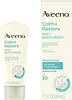 Key Ingredients
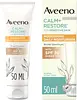
Benefits
Concerns
Ingredients Side-by-side
Titanium Dioxide 5.8%
Cosmetic Colorant

Zinc Oxide 12.5%
Cosmetic Colorant
Water
Skin ConditioningCaprylic/Capric Triglyceride
Masking


Glycerin
Humectant
Ethylhexyl Methoxycrylene
Skin Conditioning
Dimethicone
Emollient
Triacontanyl Pvp
HumectantGlyceryl Stearate
Emollient
Calcium Sodium Borosilicate
PEG-100 Stearate
Polyhydroxystearic Acid
Emulsifying
Vp/Hexadecene Copolymer
Avena Sativa Kernel Extract
Abrasive



Chrysanthemum Parthenium Flower/Leaf/Stem Juice
Antioxidant
Tocopheryl Acetate
Antioxidant

Xanthan Gum
EmulsifyingCetearyl Olivate
Sorbitan Olivate
Emulsifying
Stearic Acid
Cleansing
Triethoxycaprylylsilane
Ethylhexylglycerin
Skin ConditioningSodium Chloride
MaskingPhenoxyethanol
Preservative
Cetearyl Alcohol
Emollient

Chlorphenesin
Antimicrobial
Disodium EDTA
Aluminum Hydroxide
EmollientIron Oxides
Titanium Dioxide 5.8%, Zinc Oxide 12.5%, Water, Caprylic/Capric Triglyceride, Glycerin, Ethylhexyl Methoxycrylene, Dimethicone, Triacontanyl Pvp, Glyceryl Stearate, Calcium Sodium Borosilicate, PEG-100 Stearate, Polyhydroxystearic Acid, Vp/Hexadecene Copolymer, Avena Sativa Kernel Extract, Chrysanthemum Parthenium Flower/Leaf/Stem Juice, Tocopheryl Acetate, Xanthan Gum, Cetearyl Olivate, Sorbitan Olivate, Stearic Acid, Triethoxycaprylylsilane, Ethylhexylglycerin, Sodium Chloride, Phenoxyethanol, Cetearyl Alcohol, Chlorphenesin, Disodium EDTA, Aluminum Hydroxide, Iron Oxides
Water
Skin ConditioningZinc Oxide
Cosmetic Colorant
Caprylic/Capric Triglyceride
Masking
Titanium Dioxide
Cosmetic Colorant
Glycerin
Humectant
Ethylhexyl Methoxycrylene
Skin Conditioning
Dimethicone
Emollient
Triacontanyl Pvp
HumectantGlyceryl Stearate
Emollient
PEG-100 Stearate
Calcium Sodium Borosilicate
Polyhydroxystearic Acid
Emulsifying
Vp/Hexadecene Copolymer
Xanthan Gum
EmulsifyingAluminum Hydroxide
EmollientCetearyl Olivate
Stearic Acid
Cleansing
Triethoxycaprylylsilane
Phenoxyethanol
Preservative
Ethylhexylglycerin
Skin ConditioningCetearyl Alcohol
Emollient
Sodium Chloride
MaskingSorbitan Olivate
Emulsifying
Chlorphenesin
Antimicrobial
Tocopheryl Acetate
Antioxidant
Disodium EDTA
CI 77492
Cosmetic ColorantChrysanthemum Parthenium Flower/Leaf/Stem Juice
Antioxidant
CI 77491
Cosmetic ColorantPentylene Glycol
Skin Conditioning
Avena Sativa Kernel Extract
Abrasive
Potassium Sorbate
Preservative
Sodium Metabisulfite
Antioxidant
Citric Acid
Buffering

Sodium Benzoate
Masking
Tocopherol
Antioxidant

Water, Zinc Oxide, Caprylic/Capric Triglyceride, Titanium Dioxide, Glycerin, Ethylhexyl Methoxycrylene, Dimethicone, Triacontanyl Pvp, Glyceryl Stearate, PEG-100 Stearate, Calcium Sodium Borosilicate, Polyhydroxystearic Acid, Vp/Hexadecene Copolymer, Xanthan Gum, Aluminum Hydroxide, Cetearyl Olivate, Stearic Acid, Triethoxycaprylylsilane, Phenoxyethanol, Ethylhexylglycerin, Cetearyl Alcohol, Sodium Chloride, Sorbitan Olivate, Chlorphenesin, Tocopheryl Acetate, Disodium EDTA, CI 77492, Chrysanthemum Parthenium Flower/Leaf/Stem Juice, CI 77491, Pentylene Glycol, Avena Sativa Kernel Extract, Potassium Sorbate, Sodium Metabisulfite, Citric Acid, Sodium Benzoate, Tocopherol
Reviews
Ingredients Explained
These ingredients are found in both products.
Ingredients higher up in an ingredient list are typically present in a larger amount.
Aluminum Hydroxide is a form of aluminum. It can be naturally found in nature as the mineral gibbsite. In cosmetics, Aluminum Hydroxide is used as a colorant, pH adjuster, and absorbent.
As a colorant, Aluminum Hydroxide may add opacity, or reduce the transparency. Aluminum hydroxide is contains both basic and acidic properties.
According to manufacturers, this ingredient is an emollient and humectant. This means it helps hydrate the skin.
In medicine, this ingredient is used to help relieve heartburn and help heal ulcers.
There is currently no credible scientific evidence linking aluminum hydroxide in cosmetics to increased cancer risk.
Major health organizations allow the use of aluminum hydroxide in personal care products and have not flagged it as a carcinogenic risk at typical usage levels.
Learn more about Aluminum HydroxideAvena Sativa Kernel Extract is is derived from colloidal oatmeal. Besides being a healthy breakfast, oats have many benefits in skincare too.
This ingredient helps sooth, hydrate, and protect the skin. The starches in colloidal oatmeal are able to bind water, keeping the skin hydrated.
The cellulose and fiber in colloidal oatmeal help reduce inflammation. This can also help the skin feel softer.
Colloidal Oatmeal is also an antioxidant. Antioxidants protect our skin from free-radical damage.
Oatmeal also contains beneficial compounds:
This ingredient is created by mixing grounded oatmeal and a liquid base.
Learn more about Avena Sativa Kernel ExtractCalcium Sodium Borosilicate is a bulking agent. It is considered a borosilicate glass; it is composed of powder or flakes of calcium and sodium borosilicates.
This ingredient is used to add volume, shine, and color to products. You'll most likely find this ingredient in makeup products.
According to in-vivo and ex-vivo studies done by a manufacturer, this ingredient works well with UV filters:
Learn more about Calcium Sodium BorosilicateThis ingredient is a lightweight emollient, solvent, and texture enhancer. It is considered a skin-softener by helping the skin prevent moisture loss.
It helps thicken a product's formula and makes it easier to spread by dissolving clumping compounds.
Caprylic Triglyceride is made by combining glycerin with coconut oil, forming a clear liquid. Though it behaves like an oil, it is not technically one due to its chemical composition. It is very stable, resistant to oxidation, and unlikely to go rancid. In practice, that translates to a long shelf life and a consistently elegant skin feel.
While there is an assumption Caprylic Triglyceride can clog pores due to it being derived from coconut oil, there is no research supporting this. Be sure to patch test if you have concerns.
Fractionated coconut oil and MCT Oil are both listed as Caprylic/Capric Triglyceride according to INCI. This is because INCI names are based on the ingredient’s final chemical composition and not its marketing name or source.
Learn more about Caprylic/Capric TriglycerideCetearyl alcohol is a waxy mixture of two fatty alcohols: cetyl alcohol and stearyl alcohol. It is an emollient and emulsifier.
Despite having "alcohol" in its name, it has nothing to do with drying solvent alcohols; the FDA also allows "alcohol-free" products to contain fatty alcohols like this ingredient.
It plays several roles in a formula:
Typical use levels for this ingredient sit around 1-10% and the Cosmetic Ingredient Review Expert Panel has affirmed safety at concentrations up to 25% in leave-on products.
Multiple assessments have found it to be non-irritating and non-sensitizing to most people.
However, there have been some cases of allergic contact dermatitis in patients with chronically compromised skin barriers.
Cetearyl alcohol has a comedogenic rating of 2 and irritancy rating of 1. Both of these numbers come from the 1989 study that used rabbit ears; a "2" means mildly comedogenic and a "1" means low irritancy.
Here's the catch: rabbit skin is more sensitive than human skin and throws a lot of false positives. A 1996 reappraisal found that ingredients rated 1-2 in the rabbit ear tests are generally safe for humans.
Remember comedogenic ratings are unable to assess the entire formula of a product or how it will react on your skin. Just be sure to patch test if you are unsure about certain ingredients.
This ingredient is not fungal acne safe. Cetearyl alcohol is a fatty alcohol with chain lengths that fall within the range that Malassezia can metabolize.
Learn more about Cetearyl AlcoholCetearyl Olivate is an emulsifier and texture enhancer. It is derived from the fatty acids of olive oil and Cetearyl alcohol, and is biodegradable.
As an emulsifier, it is used to prevent oils and waters from separating. It can also
This ingredient is also known as part of Olivem 1000, with Sorbitan Olivate being the other part.
According to a manufacturer, this ingredient helps preserve the natural microbiome of skin. Having a healthy microbiome helps keep our skin healthy and protects against harmful bacteria.
Please note, having a healthy microbiome is different from fungal acne; a healthy microbiome includes small amounts of yeast that normally live on your skin without causing problems.
Fungal acne happens when one type of yeast (Malassezia) grows out of control. This is usually because it's feeding on certain oils or fatty acids. Due to the olive oil base, this ingredient may feed that yeast, so it may not be fungal acne safe.
Learn more about Cetearyl OlivateChlorphenesin is a synthetic preservative. It helps protect a product against bacteria in order to extend shelf life. In most cases, Chlorphenesin is paired with other preservatives such as phenoxyethanol and caprylyl glycol.
Chlorphenesin is a biocide. This means it is able to help fight the microorganisms on our skin. It is also able to fight odor-releasing bacteria.
Chlorphenesin is soluble in both water and glycerin.
Studies show Chlorphenesin is easily absorbed by our skin. You should speak with a skincare professional if you have concerns about using Chlorphenesin.
Learn more about ChlorphenesinChrysanthemum Parthenium Flower/Leaf/Stem Juice is an antioxidant.
Dimethicone is a type of synthetic silicone created from natural materials such as quartz. It is also known as polydimethylsiloxane.
What it does:
Dimethicone comes in different viscosities:
Depending on the viscosity, dimethicone has different properties.
Ingredients lists don't always show which type is used, so we recommend reaching out to the brand if you have questions about the viscosity.
This ingredient is unlikely to cause irritation because it does not get absorbed into skin. However, people with silicone allergies should be careful about using this ingredient.
Note: Dimethicone may contribute to pilling. This is because it is not oil or water soluble, so pilling may occur when layered with products. When mixed with heavy oils in a formula, the outcome is also quite greasy.
Learn more about DimethiconeDisodium EDTA is a chelating agent. It grabs onto and deactivates metal ions that sneak into your products from water, packaging, or air.
This ingredient mainly works behind the scenes and helps with:
On top of that, this ingredient can counteract the effects of hard water by binding to the minerals in it.
One thing worth knowing is that Disodium EDTA has been shown to be a mild penetration enhancer. It can help other ingredients absorb into skin more effectively which can be a double-edged sword (great for actives, but can also make the active too strong if you have sensitive skin).
Clinical patch testing showed no significant skin irritation at typical use concentrations and minimal dermal absorption.
You'll most likely see this ingredient near the end of an ingredient list. It's typically found in concentrations less than 1%.
Learn more about Disodium EDTAThis ingredient is a photostabilizer and a chemical UV booster. It is marketed as an alternative to octocrylene.
You'll most likely find it in sunscreens to enhance stability and effectiveness of UV filters, antioxidants, and vitamin A derivatives. According to the manufacturer, this ingredient is better than octocrylene at stabilizing avobenzone.
Due to regulation loopholes, you'll likely see this ingredient in "100% mineral" sunscreens.
Learn more about Ethylhexyl MethoxycryleneEthylhexylglycerin is created from glycerin. It is a multitasker ingredient that:
The CIR Expert Panel found minimal skin absorption or sensitization of any kind in a safety assessment. Though this ingredient is considered well-tolerated, a small number of cases of allergic dermatitis have been published since 2002. Just be sure to patch test if you are unsure.
Industry-reported use ranges from 8% in rinse-off products and 2% in leave-on formulations.
Learn more about EthylhexylglycerinGlycerin (or glycerol) is a compound naturally found in your skin. It's a powerhouse humectant that pulls water into the stratum corneum.
Topically, glycerin does several things at once:
Your skin makes glycerin on its own (mostly from sebaceous oil breakdown) and shuttles it to your outermost layer of skin, or your epidermis, via aquaporin-3.
Aquaporin-3 is a transporter that is essential for normal skin hydration, elasticity, and repair. Interestingly, mice lacking in AQP3 have dry and less elastic skin that can be fully corrected with glycerin.
This ingredient is non-irritating, plays well with almost every ingredient, and works across all skin types. Typical use is anywhere between 3-10% but can go up to 79% in some leave-on products.
Just know very high concentrations (>40%) can feel tacky in low humidity.
Glycerin is the name for this ingredient in American English. British English uses Glycerol/Glycerine.
Learn more about GlycerinGlyceryl Stearate is made by reacting glycerin with stearic acid (typically sourced from plant oils like palm or coconut). It's an emulsifier, emollient, and mild occlusive.
Emulsifiers help ingredients like oil and water stay mixed so your formula stays nicely blended and uniform in texture.
This ingredient is typically used in concentrations between 1-10%. Studies have found it to be non-sensitizing, non-phototoxic, and non-photoallergenic.
A close cousin of this ingredient is Glyceryl Stearate SE ("self-emulsifying"). This just has a small amount of sodium or potassium stearate added so it can emulsify without a co-emulsifier.
Since this ingredient is an ester of a C18 fatty acid, it may not be fungal acne safe. The Malassezia yeast can potentially metabolize within the C11-C24 range.
Fun fact: The human body also creates Glyceryl Stearate naturally.
Learn more about Glyceryl StearatePeg-100 Stearate is an emollient and emulsifier. As an emollient, it helps keep skin soft by trapping moisture in. On the other hand, emulsifiers help prevent oil and water from separating in a product.
PEGS are a hydrophilic polyether compound . There are 100 ethylene oxide monomers in Peg-100 Stearate. Peg-100 Stearate is polyethylene glycol ester of stearic acid.
Phenoxyethanol is a preservative that has germicide, antimicrobial, and aromatic properties. Studies show that phenoxyethanol can prevent microbial growth. By itself, it has a scent that is similar to that of a rose.
It's often used in formulations along with Caprylyl Glycol to preserve the shelf life of products.
Polyhydroxystearic Acid is a vegetable-derived soft wax made from castor oil. It's an emulsion stabilizer, thickener, and film former.
You'll likely see it in sunscreens because it helps disperse pigments and UV-reflecting minerals like titanium dioxide and zinc oxide evenly.
Depending on the concentration, it can drastically change the texture of a product from pasty solid (like lipstick) to sprayable liquid.
The CIR Expert Panel for Cosmetic Ingredient Safety has concluded this ingredient to be safe in cosmetics. The highest reported use concentration is 14.2% in lipsticks.
Learn more about Polyhydroxystearic AcidChances are, you eat sodium chloride every day. Sodium Chloride is also known as table salt. This ingredient has many purposes in skincare: thickener, emulsifier, and exfoliator.
You'll most likely find this ingredient in cleansers where it is used to create a gel-like texture. As an emulsifier, it also prevents ingredients from separating.
You might see people debate whether Sodium Chloride is comedogenic, but there actually haven't been any comedogenic tests done on it. Either way, the overall formulation of a product matters a lot more than any single ingredient.
You might see this ingredient used in scrubs as a primary exfoliating ingredient.
Learn more about Sodium ChlorideSorbitan Olivate is created from the fatty acids in olive oil and sorbitol.
This ingredient is an oil in water emulsifier. It helps stabilize a product by preventing oils and waters from separating. Sorbitan Olivate also helps hydrate the skin.
This ingredient is also known as part of Olivem 1000, with Cetearyl Olivate being the other part.
According to a manufacturer, this ingredient helps preserve the natural microbiome of skin. Having a healthy microbiome helps keep our skin healthy and protects against harmful bacteria.
Please note, having a healthy microbiome is different from fungal acne; a healthy microbiome includes small amounts of yeast that normally live on your skin without causing problems.
Fungal acne happens when one type of yeast (Malassezia) grows out of control. This is usually because it's feeding on certain oils or fatty acids. Due to the olive oil base, this ingredient may not be fungal acne safe.
Learn more about Sorbitan OlivateStearic Acid is a fatty acid that is already found in your skin. It's one of the free fatty acids that works alongside ceramides and cholesterols to maintain your barrier.
In cosmetics, it is a multitasker:
Safety-wise, the CIR Expert Panel has concluded it to be safe in cosmetics when formulated to be non-irritating and non-sensitizing.
Free stearic acid is a C18 fatty acid that the Malassezia yeast can substrate, so this ingredient may not be fungal acne safe.
Learn more about Stearic AcidTitanium dioxide is a mineral UV filter widely used in sunscreens and cosmetics.
It is one of only two UV filters officially classified as “mineral” by regulatory agencies, the other being zinc oxide.
Titanium dioxide provides broad-spectrum protection mostly in the UVB and UVAII range, with some protection in the UVAI range.
While its UVA protection isn’t as strong as zinc oxide’s, the difference is minor.
A common myth is that mineral UV filters reflect UV light. However, modern research shows titanium dioxide absorbs UV radiation like chemical filters (~95% absorption & 5% reflection).
Thanks to its non-irritating nature, titanium dioxide is suitable for sensitive, acne-prone, or redness-prone skin. It is unlikely to cause "eye sting" like other sunscreen ingredients.
A major drawback of this ingredient is its white cast and thick texture. This is why mineral sunscreens often leave a white cast and are less cosmetically elegant than chemical/hybrid sunscreens.
To improve white cast and spreadability, micronized or nano-sized titanium dioxide is often used.
There are ongoing concerns surrounding nano-titanium oxide's impact on marine ecosystems.
There is no conclusive evidence that any form of titanium oxide (or any other sunscreen ingredients) will cause harm to marine ecosystems or coral reefs. The science is still developing but many consumers are keeping a close eye on this issue.
Please note, many destinations have reef-safety sunscreen rules. For instance, the U.S. Virgin Islands advises all visitors to use non-nano mineral sunscreens.
Nano mineral sunscreens once raised safety concerns about absorption into skin.
Extensive research has shown that they do not penetrate healthy or damaged skin; they remain safely on the surface and the top layer of dead skin (stratum corneum).
You'll likely find titanium dioxide bundled with alumina, silica, or dimethicone. These ingredients help make titanium dioxide highly photostable; this prevents it from interacting with other formula components under UV light.
Learn more about Titanium DioxideTocopheryl Acetate is AKA Vitamin E. It is an antioxidant and protects your skin from free radicals. Free radicals damage the skin by breaking down collagen.
One study found using Tocopheryl Acetate with Vitamin C decreased the number of sunburned cells.
Tocopheryl Acetate is commonly found in both skincare and dietary supplements.
Learn more about Tocopheryl AcetateWe don't have a description for Triacontanyl Pvp yet.
Triethoxycaprylylsilane is a silicon-based surface modifier that makes sunscreens feel silky and makeup stay put.
Its main job is to coat mineral particles like titanium dioxide, zinc oxide, and color pigments in a thin, oily layer so they spread smoothly, don't clump, and stick to skin better.
This ingredient is typically used at low levels (up to 2.5% in eyeshadow and 1% in lipstick).
Learn more about TriethoxycaprylylsilaneVP/Hexadecene Copolymer is a synthetic film-forming agent. It has both water and oil loving properties, allowing it to create a flexible, even film on the skin.
This ingredient helps enhance texture, smoothness, and wear resistance in makeup products while reducing tackiness.
Water. It's the most common cosmetic ingredient of all. You'll usually see it at the top of ingredient lists, meaning that it makes up the largest part of the product.
So why is it so popular? Water most often acts as a solvent - this means that it helps dissolve other ingredients into the formulation.
You'll also recognize water as that liquid we all need to stay alive. If you see this, drink a glass of water. Remember to stay hydrated!
Learn more about WaterXanthan gum is used as a stabilizer and thickener within cosmetic products. It helps give products a sticky, thick feeling - preventing them from being too runny.
On the technical side of things, xanthan gum is a polysaccharide - a combination consisting of multiple sugar molecules bonded together.
Xanthan gum is a pretty common and great ingredient. It is a natural, non-toxic, non-irritating ingredient that is also commonly used in food products.
Learn more about Xanthan GumZinc Oxide is a mineral broad-spectrum UV filter; it is the broadest UVA and UVB reflector approved by the FDA. It also has skin protectant and skin soothing properties.
Zinc oxide is one of the most effective broad-spectrum UV filters. It protects against UVB, UVAII, and UVAI. In comparison to its counterpart titanium dioxide, zinc oxide provides uniform and extended UVA protection.
Another great benefit? This ingredient is highly photostable so it won't degrade easily under sunlight.
A common myth is that mineral UV filters are widely believed to primarily reflect UV light.
However, modern research shows titanium dioxide absorbs UV radiation like chemical filters (~95% absorption & 5% reflection).
Zinc oxide has great skin soothing properties so you'll likely find this in sunscreens formulated for sensitive skin or babies/children. It is unlikely to cause "eye sting" like other sunscreen ingredients.
Regulatory agencies consider zinc oxide to be non-toxic and safe. It has also been shown to not penetrate the skin.
Unfortunately, this ingredient does leave a visible white cast. This is why mineral sunscreens are often less cosmetically elegant than chemical or hybrid ones.
In cosmetics, zinc oxide can be found in both non-nano and nano-sized forms. The nano version is used to reduce white cast and improve the texture of sunscreen formulas.
There are ongoing concerns surrounding nano-zinc oxide's impact on marine ecosystems and whether it can be absorbed into skin.
Regarding marine ecosystems and coral reefs, there is no conclusive evidence that any form of zinc oxide (or any other sunscreen ingredients) will cause harm. The science is still developing but many consumers are keeping a close eye on this issue.
Please note, many destinations have reef-safety sunscreen rules. For instance, the U.S. Virgin Islands advises all visitors to use non-nano mineral sunscreens.
There has also been some stir about whether micronized or nano zinc oxide has potential photoxicity and absorption through the skin/lungs.
An in-vitro (done in a test tube or petri dish) study demonstrated micronized zinc oxide to have potential phototoxicity. There's no need to fret; the EU Commission's Scientific Committee on Consumer Safety has stated, "The relevance of these findings needs to be clarified by appropriate investigations in vivo." Or in other words, further studies done on living organisms are needed to prove this.
Current research shows zinc oxide nanoparticles do not penetrate intact or sunburned skin. They either remain on the surface or in the outermost layer of dead skin (stratum corneum).
Zinc oxide is one of only two classified mineral UV filters with titanium dioxide being the other one.
Fun fact: Zinc has been used throughout history as an ingredient in paint and medicine. An Indian text from 500BC is believed to list zinc oxide as a salve for open wound. The Ancient Greek physician Dioscorides has also mentioned the use of zinc as an ointment in 1AD.
Learn more about Zinc Oxide
