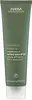
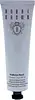
Aveda Botanical Kinetics Radiant Skin Refiner Versus Bobbi Brown Radiance Boost Superfine Walnut Grain & Orange Oil Exfoliating Mask
This exfoliator is formulated around Kaolin to control oil and minimize pores.
This brightening exfoliator is formulated around Camellia Sinensis Leaf Extract to brighten dull-looking skin.

What's inside
What's inside
 Key Ingredients
Benefits
Concerns
Ingredients Side-by-side
Water
Skin ConditioningBambusa Arundinacea Stem Powder
Abrasive

CI 77220
Cosmetic ColorantGlycerin
Humectant


Stearic Acid
Cleansing


Cetyl Esters
Emollient
Cetyl Alcohol
Emollient
Caprylic/Capric Triglyceride
Masking
Kaolin
Abrasive


Potassium Stearate
CleansingGlyceryl Caprylate
EmollientCaffeine
Skin Conditioning

Sodium Hyaluronate
Humectant

Tourmaline
Bentonite
Absorbent
Sucrose
Humectant
Helianthus Annuus Seed Oil
Emollient
Helianthus Annuus Seed Extract
Skin Conditioning
Poria Cocos Sclerotium Extract
AstringentXanthan Gum
EmulsifyingTocopherol
Antioxidant



Ascorbyl Palmitate
Antioxidant
Magnesium Aluminum Silicate
Absorbent
PEG-100 Stearate
Surfactant
Simethicone
Emollient
Ethylhexylglycerin
Skin ConditioningSodium Phytate
ChelatingPhenoxyethanol
Preservative
CI 77891
Cosmetic ColorantWater, Bambusa Arundinacea Stem Powder, CI 77220, Glycerin, Stearic Acid, Cetyl Esters, Cetyl Alcohol, Caprylic/Capric Triglyceride, Kaolin, Potassium Stearate, Glyceryl Caprylate, Caffeine, Sodium Hyaluronate, Tourmaline, Bentonite, Sucrose, Helianthus Annuus Seed Oil, Helianthus Annuus Seed Extract, Poria Cocos Sclerotium Extract, Xanthan Gum, Tocopherol, Ascorbyl Palmitate, Magnesium Aluminum Silicate, PEG-100 Stearate, Simethicone, Ethylhexylglycerin, Sodium Phytate, Phenoxyethanol, CI 77891
Water
Skin ConditioningAlumina
Abrasive
Caprylic/Capric Triglyceride
Masking
Glyceryl Stearate
Emollient
Butylene Glycol
Humectant
PEG-100 Stearate
Surfactant
Cera Alba
Emollient

Butyrospermum Parkii Butter
Skin Conditioning
Cetyl Alcohol
Emollient
Glycerin
Humectant
Camellia Sinensis Leaf Extract
Antimicrobial
Citrus Aurantium Dulcis Peel Oil
Masking
Sodium Hyaluronate
Humectant
Juglans Regia Shell Powder
Abrasive
Caffeine
Skin Conditioning
Algae Extract
Emollient
Panthenol
Skin Conditioning
Steareth-20
CleansingCaprylyl Glycol
Emollient
Biosaccharide Gum-1
Humectant
Stearyl Alcohol
Emollient
Tocopheryl Acetate
Antioxidant
Carbomer
Emulsion StabilisingSodium Hydroxide
BufferingHexylene Glycol
EmulsifyingDisodium EDTA
ChelatingPhenoxyethanol
Preservative
Water, Alumina, Caprylic/Capric Triglyceride, Glyceryl Stearate, Butylene Glycol, PEG-100 Stearate, Cera Alba, Butyrospermum Parkii Butter, Cetyl Alcohol, Glycerin, Camellia Sinensis Leaf Extract, Citrus Aurantium Dulcis Peel Oil, Sodium Hyaluronate, Juglans Regia Shell Powder, Caffeine, Algae Extract, Panthenol, Steareth-20, Caprylyl Glycol, Biosaccharide Gum-1, Stearyl Alcohol, Tocopheryl Acetate, Carbomer, Sodium Hydroxide, Hexylene Glycol, Disodium EDTA, Phenoxyethanol
Ingredients Explained
These ingredients are found in both products.
Ingredients higher up in an ingredient list are typically present in a larger amount.
Caffeine is a naturally occurring plant compound found in coffee beans, tea leaves, cocoa pods, and guarana.
As an antioxidant, caffeine protects your skin from free radical damage caused by UV exposure and envionrmnetal stressors.
Early research also shows that caffeine can help calm redness, soothe irritated skin, and support hair growth by stimulating microcirculation in the scalp.
You might have seen eye creams marketing caffeine as a depuffing ingredient. This is because it is a vasoconstrictor meaning it can temporarily constrict blood vessels, though clinical evidence for this specific use is still limited.
Most skincare products contain this ingredient at concentrations between 1-6%. It is able to penetrate skin easily regardless of skin type or thickness.
Just so you know, a very small number of case reports describe caffeine-induced allergy. This ingredient is generally well-tolerated, non-irritating, and non-sensitizing for the majority of people.
Learn more about CaffeineCaprylic/Capric Triglyceride (aka MCT Oil) is a lightweight emollient, solvent, and texture enhancer. It is considered a skin-softener by helping to prevent moisture loss.
Though it behaves like an oil, it is not technically one due to its chemical composition. One perk of this ingredient is that it is very stable, resistant to oxidation, and unlikely to go rancid.
In practice, that translates to a long shelf life and a consistently elegant skin feel.
While there is an assumption Caprylic Triglyceride can clog pores due to it being derived from coconut oil, there is no research supporting this. Just patch test if you have concerns.
Fractionated coconut oil and MCT Oil are both listed as Caprylic/Capric Triglyceride according to INCI. This is because INCI names are based on the ingredient’s final chemical composition and not its marketing name or source.
This ingredient is treated as the gold standard fungal acne safe oil. Even though it is coconut derived, the problematic lauric acid is stripped out.
This leaves just caprylic (C8) and capric (C10) acid. These chain lengths actually trend antifungal; a 2020 study found caprylic acid was enough to disrupt Malassezia furfur cell membrane, with a caprylic acid derivative damaging membrane structures at concentrations as low as 0.2%.
Learn more about Caprylic/Capric TriglycerideCetyl Alcohol is a fatty alcohol. Fatty Alcohols are most often used as an emollient or to thicken a product.
Its main roles are:
Though it has "alcohol" in the name, it is not related to denatured alcohol or ethyl alcohol.
The FDA allows products labeled "alcohol-free" to have fatty alcohols.
This ingredient may not be fungal acne safe. It is a primary fatty alcohol with a chain length above 12 carbons. A study from 2019 show Malassezia can feed on fatty alcohols in this range, so it may trigger fungal acne in those prone to it.
Learn more about Cetyl AlcoholGlycerin (or glycerol) is a compound naturally found in your skin. It's a powerhouse humectant that pulls water into the stratum corneum.
Topically, glycerin does several things at once:
Your skin makes glycerin on its own (mostly from sebaceous oil breakdown) and shuttles it to your outermost layer of skin, or your epidermis, via aquaporin-3.
Aquaporin-3 is a transporter that is essential for normal skin hydration, elasticity, and repair. Interestingly, mice lacking in AQP3 have dry and less elastic skin that can be fully corrected with glycerin.
This ingredient is non-irritating, plays well with almost every ingredient, and works across all skin types. Typical use is anywhere between 3-10% but can go up to 79% in some leave-on products.
Just know very high concentrations (>40%) can feel tacky in low humidity.
Glycerin is the name for this ingredient in American English. British English uses Glycerol/Glycerine.
Learn more about GlycerinPeg-100 Stearate is an emollient and emulsifier. As an emollient, it helps keep skin soft by trapping moisture in. On the other hand, emulsifiers help prevent oil and water from separating in a product.
PEGS are a hydrophilic polyether compound . There are 100 ethylene oxide monomers in Peg-100 Stearate. Peg-100 Stearate is polyethylene glycol ester of stearic acid.
Phenoxyethanol is one of the most widely used preservatives in skincare (and for good reason!).
It has a large spectrum of antimicrobial activity and especially effective bacteria, yeast, and mold while only having a weak effect on your skin's natural microbiome.
On a cellular level, it disrupts the cell membranes of microbes by poking holes that make the cell leak. This shuts down the chemical reactions the microbe needs to make energy so it can no longer survive.
Another perk of this ingredient is that it stays functional across a wide pH range (3-10).
You'll often see it paired with boosters like Ethylhexylglycerin; one study showed that a 1:9 ratio of Ethylhexylglycerin to Phenoxyethanol damages bacterial membranes as effectively as doubling the Phenoxyethanol concentration on its own.
Typical use concentrations range from 0.3-1% depending on the formula, and this ingredient is capped at 1% int the EU.
Safety-wise, the fear mongering does not hold up to the evidence. The EU's Scientific Committee on Consumer Safety and FDA consider it safe as a preservative at up to 1%, including for children of all ages.
Adverse systemic effects only showed up in animal studies at exposures roughly 200x higher than what people get from cosmetics. And despite its very widespread use, this ingredient is a rare sensitizer and allergic reactions are uncommon.
Learn more about PhenoxyethanolSodium Hyaluronate is the salt form of hyaluronic acid. It is a long sugar chain that is naturally found in your skin, joints, and connective tissue that maintains hydration and elasticity.
In skincare, it works as a humectant. It pulls water from the environment and deeper layers of skin and binds it to the surface.
Interestingly, the size of the molecule affects its behavior:
Some clinical evidence links low molecular weight versions to improved wrinkle depth, elasticity, anti-inflammatory effects, and barrier repair.
Many serums use a blend of both weights so you can get surface hydration plus longer-lasting and deeper effects.
You'll typically see concentrations between 0.1-2% for this ingredient.
Learn more about Sodium HyaluronateWater. It's the most common cosmetic ingredient of all. You'll usually see it at the top of ingredient lists, meaning that it makes up the largest part of the product.
So why is it so popular? Water most often acts as a solvent - this means that it helps dissolve other ingredients into the formulation.
You'll also recognize water as that liquid we all need to stay alive. If you see this, drink a glass of water. Remember to stay hydrated!
Learn more about Water

