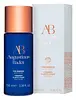
This smoothing essence is formulated around Gluconolactone and Phytic Acid to refine skin texture and brighten dull-looking skin.
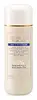
This brightening toner is formulated around Niacinamide and Lactic Acid to fade the look of dark spots and brighten dull-looking skin.


What's inside
What's inside
 Key Ingredients
Benefits
Concerns
Ingredients Side-by-side
Water
Skin ConditioningGlycerin
Humectant


Gluconolactone
Chelating






Lactobacillus/Wasabia Japonica Root Ferment Extract
Antioxidant
Phytic Acid
Chelating
Sodium Hydroxide
BufferingPotassium Sorbate
Preservative
Xanthan Gum
EmulsifyingSodium Benzoate
Masking
Salicylic Acid
Masking




Caesalpinia Spinosa Gum
Skin ConditioningPaeonia Lactiflora Root Extract
Skin ConditioningPapain
Skin Conditioning
Citric Acid
Buffering
Sodium Hyaluronate
Humectant

Hydrolyzed Rice Protein
Skin ConditioningMaltodextrin
Absorbent
1,2-Hexanediol
Skin Conditioning
Caprylyl Glycol
Emollient
Carbomer
Emulsion StabilisingN-Hydroxysuccinimide
Skin ConditioningCamellia Sinensis Leaf Extract
Antimicrobial
Hydrogenated Lecithin
Emulsifying
Tocopheryl Acetate
Antioxidant
Algin
MaskingAlanyl Glutamine
HumectantArginine
Masking
Oligopeptide-177

Phenylalanine
Masking
Sisymbrium Irio Seed Oil
Masking
Sodium Chloride
MaskingWater, Glycerin, Gluconolactone, Lactobacillus/Wasabia Japonica Root Ferment Extract, Phytic Acid, Sodium Hydroxide, Potassium Sorbate, Xanthan Gum, Sodium Benzoate, Salicylic Acid, Caesalpinia Spinosa Gum, Paeonia Lactiflora Root Extract, Papain, Citric Acid, Sodium Hyaluronate, Hydrolyzed Rice Protein, Maltodextrin, 1,2-Hexanediol, Caprylyl Glycol, Carbomer, N-Hydroxysuccinimide, Camellia Sinensis Leaf Extract, Hydrogenated Lecithin, Tocopheryl Acetate, Algin, Alanyl Glutamine, Arginine, Oligopeptide-177, Phenylalanine, Sisymbrium Irio Seed Oil, Sodium Chloride
Water
Skin ConditioningGlycerin
Humectant
Niacinamide
Smoothing

Sodium Gluconate
ChelatingTriethanolamine
BufferingLactic Acid
Buffering
Sodium Lactate
Buffering
Lactobacillus/Wasabia Japonica Root Ferment Extract
Antioxidant
Magnesium Chloride
Mandelic Acid
Antimicrobial
Palmaria Palmata Extract
Skin Protecting
Microcitrus Australasica Fruit Extract
Prunus Persica Leaf Extract
Emollient
Spiraea Ulmaria Extract
AstringentPyrus Malus Fruit Extract
Skin Conditioning
Rubus Idaeus Fruit Extract
AstringentPhytic Acid
Chelating
Citric Acid
Buffering
Gluconolactone
Chelating
Salicylic Acid
Masking
Ascorbic Acid
Antioxidant
Maltodextrin
Absorbent
Sodium Salicylate
Preservative
Vinegar
Propylene Glycol
Humectant
Magnesium Sulfate
Alcohol Denat.
Antimicrobial
Sodium Benzoate
Masking
Potassium Sorbate
Preservative
Sodium Bisulfite
Antioxidant
Water, Glycerin, Niacinamide, Sodium Gluconate, Triethanolamine, Lactic Acid, Sodium Lactate, Lactobacillus/Wasabia Japonica Root Ferment Extract, Magnesium Chloride, Mandelic Acid, Palmaria Palmata Extract, Microcitrus Australasica Fruit Extract, Prunus Persica Leaf Extract, Spiraea Ulmaria Extract, Pyrus Malus Fruit Extract, Rubus Idaeus Fruit Extract, Phytic Acid, Citric Acid, Gluconolactone, Salicylic Acid, Ascorbic Acid, Maltodextrin, Sodium Salicylate, Vinegar, Propylene Glycol, Magnesium Sulfate, Alcohol Denat., Sodium Benzoate, Potassium Sorbate, Sodium Bisulfite
Reviews
Alternatives
Ingredients Explained
These ingredients are found in both products.
Ingredients higher up in an ingredient list are typically present in a larger amount.
Citric Acid is an alpha hydroxy acid (AHA) naturally found in citrus fruits like oranges, lemons, and limes.
Like other AHAs, citric acid can exfoliate skin by breaking down the bonds that hold dead skin cells together. This helps reveal smoother and brighter skin underneath.
However, this exfoliating effect only happens at high concentrations (20%) which can be hard to find in cosmetic products.
Due to this, citric acid is usually included in small amounts as a pH adjuster. This helps keep products slightly more acidic and compatible with skin's natural pH.
In skincare formulas, citric acid can:
While it can provide some skin benefits, research shows lactic acid and glycolic acid are generally more effective and less irritating exfoliants.
Most citric acid used in skincare today is made by fermenting sugars (usually from molasses). This synthetic version is identical to the natural citrus form but easier to stabilize and use in formulations.
Rosacea skin has a lower threshold for acids generally, with 62.5% of rosacea subjects in one study reacting to lactic acid in a sting test. This is why we mark citric acid as a potential rosacea trigger.
However, this ingredient shows up as a pH adjuster or chelator at roughly 0.1-1% in many products. These low levels are unlikely to be an issue for rosacea skin and becomes a potential trigger at exfoliating concentrations (20%). Because everybody's skin is unique, we recommend a patch test if you are unsure.
Learn more about Citric AcidGluconolactone is a PHA. PHAs are a great gentle alternative to traditional AHAs.
When applied, Gluconolactone has the same affect on skin as AHAs such as lactic acid. It helps dissolve the dead skin cells in the top layer of your skin. This improves texture and brightens the skin.
PHAs are more gentle than AHAs due to their larger structure. They do not penetrate as deeply as AHAs and take a longer time to dissolve dead cells. Studies show PHAs do not cause as much irritation.
Gluconolactone has some interesting properties:
In a 2004 study, Gluconolactone was found to prevent UV damage in mouse skin cells and has not been found to increase sun sensitivity. However, we still recommend wearing SPF daily.
This ingredient is is an created by reacting gluconic acid with an alcohol.
Learn more about GluconolactoneGlycerin (or glycerol) is a compound naturally found in your skin. It's a powerhouse humectant that pulls water into the stratum corneum.
Topically, glycerin does several things at once:
Your skin makes glycerin on its own (mostly from sebaceous oil breakdown) and shuttles it to your outermost layer of skin, or your epidermis, via aquaporin-3.
Aquaporin-3 is a transporter that is essential for normal skin hydration, elasticity, and repair. Interestingly, mice lacking in AQP3 have dry and less elastic skin that can be fully corrected with glycerin.
This ingredient is non-irritating, plays well with almost every ingredient, and works across all skin types. Typical use is anywhere between 3-10% but can go up to 79% in some leave-on products.
Just know very high concentrations (>40%) can feel tacky in low humidity.
Glycerin is the name for this ingredient in American English. British English uses Glycerol/Glycerine.
Learn more about GlycerinLactobacillus/Wasabia Japonica Root Ferment Extract is an antioxidant.
Maltodextrin is a plant-derived carbohydrate made by breaking down starch (usually from corn, potato, or rice). In cosmetic formulas, it's a multitasking absorbent, emulsion stabilizer, and skin conditioner.
This ingredient is mostly used to stabilize emulsions and improve the powdery, non-greasy feel of products (like dry shampoos).
Safety-wise, this ingredient is pretty solid; it's even recognized as a food additive. Both animal and clinical studies found no adverse effects at the levels used in cosmetics.
Industry data shows this ingredient is used up to 45.7% in spray products and up to 33% in powder products.
Learn more about MaltodextrinPhytic Acid is a gentle AHA and antioxidant. AHAs are chemical exfoliants that help remove dead skin cells. Phytic Acid has a slight and mild exfoliating effect.
The chemical makeup makes it classified as an AHA, much like lactic acid.
In some cases, it is a chelating agent. Chelating agents help prevent metals from binding to water, helping to stabilize the ingredients in a product.
An interesting fact about phytic acid is that it is considered an antinutrient. People do not have the enzyme needed to properly breakdown and digest phytic acid. When ingested, phytic acid binds to minerals and prevents them from being absorbed.
Read more about some other popular AHA's here:
Learn more about Phytic AcidPotassium Sorbate is a preservative used to prevent yeast and mold in products. It is commonly found in both cosmetic and food products.
This ingredient comes from potassium salt derived from sorbic acid. Sorbic acid is a natural antibiotic and effective against fungus.
Both potassium sorbate and sorbic acid can be found in baked goods, cheeses, dried meats, dried fruit, ice cream, pickles, wine, yogurt, and more.
You'll often find this ingredient used with other preservatives.
Learn more about Potassium SorbateSalicylic Acid (also known as beta hydroxy acid or BHA) is a well-known ingredient for treating skin that struggles with acne and clogged pores. It exfoliates both the skin's surface and deep within the pores to help clear out buildup, control oil, and reduce inflammation.
Unlike AHAs (alpha hydroxy acids), salicylic acid is oil-soluble. This allows it to penetrate into pores which makes it especially effective for treating blackheads and preventing future breakouts.
Salicylic acid is also known for its soothing properties. It has a similar structure to aspirin and can calm inflamed or irritated skin, making it a good option for acne-prone skin that is also sensitive.
Concentrations of 0.5-2% are recognized by the U.S. FDA as an over-the-counter topical acne product.
It can cause irritation and/or dryness if one's skin already has a compromised moisture barrier, so it's best to focus on repairing that before introducing this ingredient into your routine.
While salicylic acid does not increase sun sensitivity, it’s still important to wear sunscreen daily to protect your skin.
If you are looking for the ingredient called BHA or Butylated Hydroxyanisole, click here.
Learn more about Salicylic AcidSodium Benzoate is a preservative. It's used in both cosmetic and food products to inhibit the growth of mold and bacteria. It is typically produced synthetically.
Both the US FDA and EU Health Committee have approved the use of sodium benzoate. In the US, levels of 0.1% (of the total product) are allowed.
Sodium benzoate works as a preservative by inhibiting the growth of bacteria inside of cells. It prevents the cell from fermenting a type of sugar using an enzyme called phosphofructokinase.
It is the salt of benzoic acid. Foods containing sodium benzoate include soda, salad dressings, condiments, fruit juices, wines, and snack foods.
Studies for using ascorbic acid and sodium benzoate in cosmetics are lacking, especially in skincare routines with multiple steps.
We always recommend speaking with a professional, such as a dermatologist, if you have any concerns.
Learn more about Sodium BenzoateWater. It's the most common cosmetic ingredient of all. You'll usually see it at the top of ingredient lists, meaning that it makes up the largest part of the product.
So why is it so popular? Water most often acts as a solvent - this means that it helps dissolve other ingredients into the formulation.
You'll also recognize water as that liquid we all need to stay alive. If you see this, drink a glass of water. Remember to stay hydrated!
Learn more about Water

