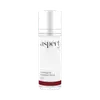
This brightening serum is formulated around Ascorbyl Tetraisopalmitate and Niacinamide to fade the look of dark spots and brighten dull-looking skin.
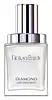
This anti-aging serum is formulated around Niacinamide to soften the look of wrinkles and refine skin texture.


What's inside
What's inside
 Key Ingredients
Benefits
Concerns
Ingredients Side-by-side
Water
Skin ConditioningGlycerin
Humectant


Ascorbyl Tetraisopalmitate
Antioxidant




Niacinamide
Smoothing








Tocopheryl Acetate
Antioxidant
Tranexamic Acid
Astringent
Lecithin
Emollient
Caprylic/Capric Triglyceride
Masking
Hydroxyphenoxy Propionic Acid
Skin ConditioningOryza Sativa Bran Oil
Emollient
Ascorbic Acid
Antioxidant
Rumex Occidentalis Extract
Skin ConditioningPhenoxyethanol
Preservative
Xanthan Gum
EmulsifyingSclerotium Gum
Emulsion StabilisingPotassium Sorbate
Preservative
Sodium Stearoyl Glutamate
CleansingDisodium EDTA
ChelatingEthylhexylglycerin
Skin ConditioningTerminalia Ferdinandiana Fruit Extract
Antioxidant
Backhousia Citriodora Leaf Extract
AstringentCodonopsis Lanceolata Extract
Antioxidant
Citrus Glauca Fruit Extract
HumectantDavidsonia Jerseyana Fruit Extract
Antioxidant
Pullulan
Water, Glycerin, Ascorbyl Tetraisopalmitate, Niacinamide, Tocopheryl Acetate, Tranexamic Acid, Lecithin, Caprylic/Capric Triglyceride, Hydroxyphenoxy Propionic Acid, Oryza Sativa Bran Oil, Ascorbic Acid, Rumex Occidentalis Extract, Phenoxyethanol, Xanthan Gum, Sclerotium Gum, Potassium Sorbate, Sodium Stearoyl Glutamate, Disodium EDTA, Ethylhexylglycerin, Terminalia Ferdinandiana Fruit Extract, Backhousia Citriodora Leaf Extract, Codonopsis Lanceolata Extract, Citrus Glauca Fruit Extract, Davidsonia Jerseyana Fruit Extract, Pullulan
Water
Skin ConditioningNiacinamide
Smoothing
Glycerin
Humectant
PEG-8
HumectantPentaerythrityl Tetracaprylate/Tetracaprate
EmollientMethyl Gluceth-10
EmulsifyingCyclopentasiloxane
Emollient
Brassica Campestris Seed Oil
Skin Conditioning
Ethoxydiglycol
HumectantPropanediol
Solvent
Sodium Acrylates Copolymer
Hydrolyzed Collagen
Emollient
Lauroyl Lysine
Skin Conditioning
Pentylene Glycol
Skin Conditioning
Caprylic/Capric Triglyceride
Masking
Allantoin
Skin Conditioning
Tocopheryl Acetate
Antioxidant
Glyceryl Linoleate
Emollient
Arginine
Masking
Ceratonia Siliqua Gum
EmollientPhospholipids
Skin Conditioning
Ethylhexylglycerin
Skin ConditioningAlaria Esculenta Extract
Skin Protecting

Olea Europaea Leaf Extract
Perfuming
Decyl Glucoside
Cleansing
Fructan
Skin ConditioningGlyceryl Linolenate
Emollient
Artemia Extract
Skin ConditioningSodium Carboxymethyl Beta-Glucan
CleansingAscorbic Acid
Antioxidant
Ziziphus Jujuba Seed Extract
Skin ConditioningCI 77499
Cosmetic ColorantDiamond Powder
Abrasive
Tabebuia Impetiginosa Bark Extract
Skin ConditioningDimethicone Crosspolymer
Emulsion Stabilising
Lecithin
Emollient
Glucose
Humectant
Disodium EDTA
ChelatingSilica
Abrasive
Citric Acid
Buffering
Polyglyceryl-3 Diisostearate
Emulsifying
Phenoxyethanol
Preservative
Phenethyl Alcohol
MaskingPotassium Sorbate
Preservative
Parfum
Masking

Linalool
Perfuming
Coumarin
Perfuming
Amyl Cinnamal
Perfuming
Limonene
Perfuming
CI 77891
Cosmetic ColorantMica
Cosmetic ColorantWater, Niacinamide, Glycerin, PEG-8, Pentaerythrityl Tetracaprylate/Tetracaprate, Methyl Gluceth-10, Cyclopentasiloxane, Brassica Campestris Seed Oil, Ethoxydiglycol, Propanediol, Sodium Acrylates Copolymer, Hydrolyzed Collagen, Lauroyl Lysine, Pentylene Glycol, Caprylic/Capric Triglyceride, Allantoin, Tocopheryl Acetate, Glyceryl Linoleate, Arginine, Ceratonia Siliqua Gum, Phospholipids, Ethylhexylglycerin, Alaria Esculenta Extract, Olea Europaea Leaf Extract, Decyl Glucoside, Fructan, Glyceryl Linolenate, Artemia Extract, Sodium Carboxymethyl Beta-Glucan, Ascorbic Acid, Ziziphus Jujuba Seed Extract, CI 77499, Diamond Powder, Tabebuia Impetiginosa Bark Extract, Dimethicone Crosspolymer, Lecithin, Glucose, Disodium EDTA, Silica, Citric Acid, Polyglyceryl-3 Diisostearate, Phenoxyethanol, Phenethyl Alcohol, Potassium Sorbate, Parfum, Linalool, Coumarin, Amyl Cinnamal, Limonene, CI 77891, Mica
Ingredients Explained
These ingredients are found in both products.
Ingredients higher up in an ingredient list are typically present in a larger amount.
Ascorbic Acid is is pure Vitamin C and is the biologically active form used directly by skin.
Not only is vitamin C great for your overall health and immune system, but it also has plenty of benefits for your skin. It is best supported by academic literature for:
Topical vitamin C has been shown to help neutralize oxidative stress from UV and pollution, helping to improve photoaging and hyperpigmentation when used consistently.
One clinical study found that using 5% topical vitamin C for six months improved signs of photodamaged skin, both on the surface and in the deeper structural layers of the skin.
While vitamin C doesn’t replace sunscreen, studies show it can boost photoprotection when combined with Vitamin E and ferulic acid. These two ingredients help improve stability and protective effects.
The big downside of this ingredient is formulation difficulty. Vitamin C is prone to oxidation and doesn't penetrate the skin unless formulated correctly. Research found that vitamin C absorbs into the skin best at a low pH (< 3.5) with about 20% being the upper limit for effective absorption.
Skin levels can saturate after repeated application; this means your skin won’t keep absorbing more once it’s full of vitamin C. This is why more isn’t always better with vitamin C and why very high concentrations don’t necessarily give extra benefits.
Ascorbic acid generally works well with many skincare ingredients but can be irritating when combined with other active ingredients. Strong oxidizing acne treatments like benzoyl peroxide can reduce the effectiveness of vitamin C if they are used at the same time; they are often recommended for use at different times of day.
Read more about other types of Vitamin C:
Foods rich with vitamin C include oranges, strawberries, broccoli, bell peppers, and more. When consuming Vitamin C, your skin receives a portion of the nutrients.
Learn more about Ascorbic AcidCaprylic/Capric Triglyceride (aka MCT Oil) is a lightweight emollient, solvent, and texture enhancer. It is considered a skin-softener by helping to prevent moisture loss.
Though it behaves like an oil, it is not technically one due to its chemical composition. One perk of this ingredient is that it is very stable, resistant to oxidation, and unlikely to go rancid.
In practice, that translates to a long shelf life and a consistently elegant skin feel.
While there is an assumption Caprylic Triglyceride can clog pores due to it being derived from coconut oil, there is no research supporting this. Just patch test if you have concerns.
Fractionated coconut oil and MCT Oil are both listed as Caprylic/Capric Triglyceride according to INCI. This is because INCI names are based on the ingredient’s final chemical composition and not its marketing name or source.
This ingredient is treated as the gold standard fungal acne safe oil. Even though it is coconut derived, the problematic lauric acid is stripped out.
This leaves just caprylic (C8) and capric (C10) acid. These chain lengths actually trend antifungal; a 2020 study found caprylic acid was enough to disrupt Malassezia furfur cell membrane, with a caprylic acid derivative damaging membrane structures at concentrations as low as 0.2%.
Learn more about Caprylic/Capric TriglycerideDisodium EDTA is a chelating agent. It grabs onto and deactivates metal ions that sneak into your products from water, packaging, or air.
This ingredient mainly works behind the scenes and helps with:
On top of that, this ingredient can counteract the effects of hard water by binding to the minerals in it.
One thing worth knowing is that Disodium EDTA has been shown to be a mild penetration enhancer. It can help other ingredients absorb into skin more effectively which can be a double-edged sword (great for actives, but can also make the active too strong if you have sensitive skin).
Clinical patch testing showed no significant skin irritation at typical use concentrations and minimal dermal absorption.
You'll most likely see this ingredient near the end of an ingredient list. It's typically found in concentrations less than 1%.
Learn more about Disodium EDTAEthylhexylglycerin is created from glycerin. It is a multitasker ingredient that:
The CIR Expert Panel found minimal skin absorption or sensitization of any kind in a safety assessment. Though this ingredient is considered well-tolerated, a small number of cases of allergic dermatitis have been published since 2002. Just be sure to patch test if you are unsure.
Industry-reported use ranges from 8% in rinse-off products and 2% in leave-on formulations.
Learn more about EthylhexylglycerinGlycerin (or glycerol) is a compound naturally found in your skin. It's a powerhouse humectant that pulls water into the stratum corneum.
Topically, glycerin does several things at once:
Your skin makes glycerin on its own (mostly from sebaceous oil breakdown) and shuttles it to your outermost layer of skin, or your epidermis, via aquaporin-3.
Aquaporin-3 is a transporter that is essential for normal skin hydration, elasticity, and repair. Interestingly, mice lacking in AQP3 have dry and less elastic skin that can be fully corrected with glycerin.
This ingredient is non-irritating, plays well with almost every ingredient, and works across all skin types. Typical use is anywhere between 3-10% but can go up to 79% in some leave-on products.
Just know very high concentrations (>40%) can feel tacky in low humidity.
Glycerin is the name for this ingredient in American English. British English uses Glycerol/Glycerine.
Learn more about GlycerinLecithin is a term for a group of substances found in the cell membranes of plants, animals, and humans. They are made up of phospholipids.
Thanks to its amphiphilic structure (water-loving head and oil-loving tail), it is a true multitasker:
It plays well with most ingredients and is typically used at 0.1-1%. However, concentrations up to 50% have been reported in moisturizers.
Learn more about LecithinNiacinamide is a multitasking form of vitamin B3 that strengthens the skin barrier, reduces pores and dark spots, regulates oil, and improves signs of aging.
And the best part? It's gentle and well-tolerated by most skin types, including sensitive and reactive skin.
You might have heard of "niacin flush", or the reddening of skin that causes itchiness. Niacinamide has not been found to cause this.
In very rare cases, some individuals may not be able to tolerate niacinamide at all or experience an allergic reaction to it.
If you are experiencing flaking, irritation, and dryness with this ingredient, be sure to double check all your products as this ingredient can be found in all categories of skincare.
When incorporating niacinamide into your routine, look out for concentration amounts. Typically, 5% niacinamide provides benefits such as fading dark spots. However, if you have sensitive skin, it is better to begin with a smaller concentration.
When you apply niacinamide to your skin, your body converts it into nicotinamide adenine dinucleotide (NAD). NAD is an essential coenzyme that is already found in your cells as "fuel" and powers countless biological processes.
In your skin, NAD helps repair cell damage, produce new healthy cells, support collagen production, strengthen the skin barrier, and fight environmental stressors (like UV and pollution).
Our natural NAD levels start to decline with age, leading to slower skin repair, visible aging, and a weaker skin barrier. By providing your skin niacinamide, you're recharging your skin's NAD levels. This leads to stronger, healthier, and younger looking skin.
Another name for vitamin B3 is nicotinamide. This vitamin is water-soluble and our bodies don't store it. We obtain Vitamin B3 from either food or skincare. Meat, fish, wheat, yeast, and leafy greens contain vitamin B3.
The type of niacinamide used in skincare is synthetically created.
Learn more about NiacinamidePhenoxyethanol is one of the most widely used preservatives in skincare (and for good reason!).
It has a large spectrum of antimicrobial activity and especially effective bacteria, yeast, and mold while only having a weak effect on your skin's natural microbiome.
On a cellular level, it disrupts the cell membranes of microbes by poking holes that make the cell leak. This shuts down the chemical reactions the microbe needs to make energy so it can no longer survive.
Another perk of this ingredient is that it stays functional across a wide pH range (3-10).
You'll often see it paired with boosters like Ethylhexylglycerin; one study showed that a 1:9 ratio of Ethylhexylglycerin to Phenoxyethanol damages bacterial membranes as effectively as doubling the Phenoxyethanol concentration on its own.
Typical use concentrations range from 0.3-1% depending on the formula, and this ingredient is capped at 1% int the EU.
Safety-wise, the fear mongering does not hold up to the evidence. The EU's Scientific Committee on Consumer Safety and FDA consider it safe as a preservative at up to 1%, including for children of all ages.
Adverse systemic effects only showed up in animal studies at exposures roughly 200x higher than what people get from cosmetics. And despite its very widespread use, this ingredient is a rare sensitizer and allergic reactions are uncommon.
Learn more about PhenoxyethanolPotassium Sorbate is a preservative used to prevent yeast and mold in products. It is commonly found in both cosmetic and food products.
This ingredient comes from potassium salt derived from sorbic acid. Sorbic acid is a natural antibiotic and effective against fungus.
Both potassium sorbate and sorbic acid can be found in baked goods, cheeses, dried meats, dried fruit, ice cream, pickles, wine, yogurt, and more.
You'll often find this ingredient used with other preservatives.
Learn more about Potassium SorbateTocopheryl Acetate is a stable, shelf-friendly form of vitamin E.
Formulators love it because plain vitamin E oxidizes quickly once it hits air. This acetate version stays stable and resists going off, helping to extend a product's shelf life.
It's actually inactive on its own and works like a slow-release "storage" form; the enzymes in your skin called esterases gradually convert it into active vitamin E over time.
One in vivo study showed 5% of the acetate in the living layer of the epidermis converted to vitamin E after 5 days of application. This study also found the skin gained protection against UV damage even though the conversion was slow and small.
Once converted, vitamin E acts as a skin's main fat-soluble antioxidant that fights free radicals to protect skin from damage.
Topical vitamin E generally boosts the skin's photoprotection, and it reduced UV-damage in animal models.
This ingredient has some brightening potential but it's more of a prevention ingredient than spot-fader. Cell studies show it can slow down melanin production but it's worth noting that it's not the most powerful brightener out there.
Overall, it has a pretty solid safety profile and has been found to be non-irritating and non-comedogenic. Allergic reactions may happen but stay rare due to how widely the ingredient gets used.
The concentration will vary depending on the formula; industry data shows 0.1% in baby lotions, 3% in lipsticks, and 5% in foot powders. You can also find this ingredient at 100% in a pure vitamin E oil.
Most leave-on skincare keeps it at the lower end, often between 0.5-1%.
Learn more about Tocopheryl AcetateWater. It's the most common cosmetic ingredient of all. You'll usually see it at the top of ingredient lists, meaning that it makes up the largest part of the product.
So why is it so popular? Water most often acts as a solvent - this means that it helps dissolve other ingredients into the formulation.
You'll also recognize water as that liquid we all need to stay alive. If you see this, drink a glass of water. Remember to stay hydrated!
Learn more about Water

