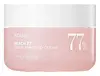
This barrier-repair moisturizer is formulated around Niacinamide and Panthenol to strengthen the skin barrier and hydrate skin.
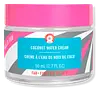
This calming moisturizer is formulated around Sodium Hyaluronate and Glycyrrhiza Glabra Root Extract to calm redness and hydrate skin.


What's inside
What's inside
 Key Ingredients
Benefits
Concerns
Ingredients Side-by-side
Prunus Persica Fruit Extract 77%
Abrasive
Glycerin
Humectant


Methylpropanediol
SolventNiacinamide
Smoothing









Isododecane
EmollientLactobacillus Ferment
Skin Conditioning
1,2-Hexanediol
Skin Conditioning
Propanediol
Solvent
Panthenol
Skin Conditioning
Polyglyceryl-3 Methylglucose Distearate
Emulsifying

Polymethylsilsesquioxane

Hydrogenated Polydecene
EmollientJojoba Esters
Emollient
Coptis Japonica Root Extract
Skin ConditioningPrunus Persica Flower Extract
MoisturisingSoluble Collagen
Humectant
Sodium Hyaluronate
Humectant
Vinyldimethicone
Ammonium Acryloyldimethyltaurate/Vp Copolymer
Water
Skin ConditioningDimethiconol
Emollient
Acrylates/C10-30 Alkyl Acrylate Crosspolymer
Emulsion StabilisingTromethamine
BufferingButylene Glycol
Humectant
Adenosine
Skin Conditioning
Disodium EDTA
Cyanocobalamin
Skin ConditioningSaccharomyces Ferment Filtrate
Humectant
Galactomyces Ferment Filtrate
Humectant
Bifida Ferment Lysate
Skin Conditioning
Ceramide NP
Skin Conditioning
Pectin
Emulsion StabilisingMaltodextrin
Absorbent
Hydrolyzed Vegetable Protein
Skin ConditioningParfum
Masking



Hydroxyacetophenone
Antioxidant
Ethylhexylglycerin
Skin ConditioningPrunus Persica Fruit Extract 77%, Glycerin, Methylpropanediol, Niacinamide, Isododecane, Lactobacillus Ferment, 1,2-Hexanediol, Propanediol, Panthenol, Polyglyceryl-3 Methylglucose Distearate, Polymethylsilsesquioxane, Hydrogenated Polydecene, Jojoba Esters, Coptis Japonica Root Extract, Prunus Persica Flower Extract, Soluble Collagen, Sodium Hyaluronate, Vinyldimethicone, Ammonium Acryloyldimethyltaurate/Vp Copolymer, Water, Dimethiconol, Acrylates/C10-30 Alkyl Acrylate Crosspolymer, Tromethamine, Butylene Glycol, Adenosine, Disodium EDTA, Cyanocobalamin, Saccharomyces Ferment Filtrate, Galactomyces Ferment Filtrate, Bifida Ferment Lysate, Ceramide NP, Pectin, Maltodextrin, Hydrolyzed Vegetable Protein, Parfum, Hydroxyacetophenone, Ethylhexylglycerin
Cocos Nucifera Fruit Juice
Emollient
Glucose
Humectant
Maltodextrin
Absorbent
Water
Skin ConditioningDimethicone
Emollient
Sodium Acrylate/Sodium Acryloyldimethyl Taurate Copolymer
Emulsion StabilisingCocos Nucifera Fruit Extract
Emollient
Sodium Hyaluronate
Humectant
Alteromonas Ferment Filtrate
HumectantPyrus Malus Fruit Extract
Skin Conditioning
Prunus Armeniaca Fruit Extract
Skin ConditioningVanilla Planifolia Fruit Extract
Skin Conditioning
Sea Salt
Abrasive
Lycium Barbarum Fruit Extract
Astringent
Glycyrrhiza Glabra Root Extract
Bleaching
Chrysanthemum Parthenium Extract
Skin ConditioningCamellia Sinensis Leaf Extract
Antimicrobial
Dipteryx Odorata Seed Extract
MaskingCoffea Arabica Seed Extract
Masking
Tocopherol
Antioxidant
Caprylyl Glycol
Emollient
Caprylic/Capric Triglyceride
Masking
Butylene Glycol
Humectant
Hydrogenated Polydecene
EmollientDipropylene Glycol
HumectantCetyl Diglyceryl Tris(Trimethylsiloxy)Silylethyl Dimethicone
Emulsion Stabilising
Polysilicone-11
Laureth-8
EmulsifyingPhenoxyethanol
Preservative
Cocos Nucifera Fruit Juice, Glucose, Maltodextrin, Water, Dimethicone, Sodium Acrylate/Sodium Acryloyldimethyl Taurate Copolymer, Cocos Nucifera Fruit Extract, Sodium Hyaluronate, Alteromonas Ferment Filtrate, Pyrus Malus Fruit Extract, Prunus Armeniaca Fruit Extract, Vanilla Planifolia Fruit Extract, Sea Salt, Lycium Barbarum Fruit Extract, Glycyrrhiza Glabra Root Extract, Chrysanthemum Parthenium Extract, Camellia Sinensis Leaf Extract, Dipteryx Odorata Seed Extract, Coffea Arabica Seed Extract, Tocopherol, Caprylyl Glycol, Caprylic/Capric Triglyceride, Butylene Glycol, Hydrogenated Polydecene, Dipropylene Glycol, Cetyl Diglyceryl Tris(Trimethylsiloxy)Silylethyl Dimethicone, Polysilicone-11, Laureth-8, Phenoxyethanol
Reviews
Ingredients Explained
These ingredients are found in both products.
Ingredients higher up in an ingredient list are typically present in a larger amount.
Butylene Glycol (or BG) is used within cosmetic products for a few different reasons:
Overall, Butylene Glycol is a safe and well-rounded ingredient that works well with other ingredients.
Though this ingredient works well with most skin types, some people with sensitive skin may experience a reaction such as allergic rashes, closed comedones, or itchiness.
Learn more about Butylene GlycolHydrogenated Polydecene is a synthetic emollient. It forms a non-occlusive film on the skin's surface to provide a silky feel without being greasy.
In vivo studies in volunteers with atopic and dry skin showed no irritation or intolerance. The volunteers also saw a positive effect in dryness, scaling, and roughness after 28 days of use.
Concentrations up to 100% in guinea pig tests found it to be non-sensitizing and completely safe for use in cosmetics.
Learn more about Hydrogenated PolydeceneMaltodextrin is a plant-derived carbohydrate made by breaking down starch (usually from corn, potato, or rice). In cosmetic formulas, it's a multitasking absorbent, emulsion stabilizer, and skin conditioner.
This ingredient is mostly used to stabilize emulsions and improve the powdery, non-greasy feel of products (like dry shampoos).
Safety-wise, this ingredient is pretty solid; it's even recognized as a food additive. Both animal and clinical studies found no adverse effects at the levels used in cosmetics.
Industry data shows this ingredient is used up to 45.7% in spray products and up to 33% in powder products.
Learn more about MaltodextrinSodium Hyaluronate is the salt form of hyaluronic acid. It is a long sugar chain that is naturally found in your skin, joints, and connective tissue that maintains hydration and elasticity.
In skincare, it works as a humectant. It pulls water from the environment and deeper layers of skin and binds it to the surface.
Interestingly, the size of the molecule affects its behavior:
Some clinical evidence links low molecular weight versions to improved wrinkle depth, elasticity, anti-inflammatory effects, and barrier repair.
Many serums use a blend of both weights so you can get surface hydration plus longer-lasting and deeper effects.
You'll typically see concentrations between 0.1-2% for this ingredient.
Learn more about Sodium HyaluronateWater. It's the most common cosmetic ingredient of all. You'll usually see it at the top of ingredient lists, meaning that it makes up the largest part of the product.
So why is it so popular? Water most often acts as a solvent - this means that it helps dissolve other ingredients into the formulation.
You'll also recognize water as that liquid we all need to stay alive. If you see this, drink a glass of water. Remember to stay hydrated!
Learn more about Water

