Angie's Actives All-In Vitamin C + Lactic Loaded Serum Versus Remedy For Daily Defense 15% Vitamin C Antioxidant Complex Brightening Serum
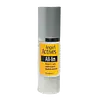
This brightening serum is formulated around Ascorbic Acid and Lactic Acid to brighten dull-looking skin and refine skin texture.
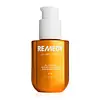
This brightening serum is formulated around 3-O-Ethyl Ascorbic Acid and Ferulic Acid to brighten dull-looking skin and calm redness.

What's inside
What's inside
 Key Ingredients
Benefits
Concerns
Ingredients Side-by-side



Water
Skin Conditioning3-O-Ethyl Ascorbic Acid
Skin Conditioning





Glycerin
Humectant

Propanediol
Solvent
Squalane
Emollient
C12-15 Alkyl Lactate
EmollientButylene Glycol
Humectant
Aloe Barbadensis Leaf Juice
Skin Conditioning
Polyglyceryl-10 Laurate
Skin Conditioning

Hydrolyzed Hyaluronic Acid
Humectant
Allantoin
Skin Conditioning
Panthenol
Skin Conditioning
Escin
TonicRuscus Aculeatus Root Extract
Astringent
Ammonium Glycyrrhizate
MaskingCentella Asiatica Leaf Extract
Skin Conditioning
Hydrolyzed Yeast Protein
Skin ConditioningCalendula Officinalis Flower Extract
Masking
Tocopheryl Acetate
Antioxidant

Acetyl Zingerone
Antioxidant
Superoxide Dismutase
Antioxidant
Ergothioneine
Antioxidant
Plankton Extract
Skin ConditioningSpirulina Platensis Extract
Skin ProtectingBifida Ferment Lysate
Skin Conditioning
Ferulic Acid
Antimicrobial
Ectoin
Skin Conditioning
1,2-Hexanediol
Skin Conditioning
Curcuma Longa Root Extract
Antioxidant
Glycyrrhiza Glabra Root Extract
Bleaching
Camellia Sinensis Leaf Extract
Antimicrobial
Hydroxyacetophenone
Antioxidant
Trisodium Ethylenediamine Disuccinate
ChelatingSodium Citrate
BufferingCitric Acid
Buffering
Sodium Hydroxide
BufferingSodium Benzoate
Masking
Potassium Sorbate
Preservative
Leuconostoc/Radish Root Ferment Filtrate
Antimicrobial
Phenoxyethanol
Preservative
Ethylhexylglycerin
Skin ConditioningWater, 3-O-Ethyl Ascorbic Acid, Glycerin, Propanediol, Squalane, C12-15 Alkyl Lactate, Butylene Glycol, Aloe Barbadensis Leaf Juice, Polyglyceryl-10 Laurate, Hydrolyzed Hyaluronic Acid, Allantoin, Panthenol, Escin, Ruscus Aculeatus Root Extract, Ammonium Glycyrrhizate, Centella Asiatica Leaf Extract, Hydrolyzed Yeast Protein, Calendula Officinalis Flower Extract, Tocopheryl Acetate, Acetyl Zingerone, Superoxide Dismutase, Ergothioneine, Plankton Extract, Spirulina Platensis Extract, Bifida Ferment Lysate, Ferulic Acid, Ectoin, 1,2-Hexanediol, Curcuma Longa Root Extract, Glycyrrhiza Glabra Root Extract, Camellia Sinensis Leaf Extract, Hydroxyacetophenone, Trisodium Ethylenediamine Disuccinate, Sodium Citrate, Citric Acid, Sodium Hydroxide, Sodium Benzoate, Potassium Sorbate, Leuconostoc/Radish Root Ferment Filtrate, Phenoxyethanol, Ethylhexylglycerin
Reviews
Ingredients Explained
These ingredients are found in both products.
Ingredients higher up in an ingredient list are typically present in a larger amount.
Ferulic Acid is a plant based antioxidant that can be naturally found in the cell walls of grains like rice, oats, and corn. It has antioxidant and antimicrobial properties, and has the ability to boost the performance of other antioxidants as well.
A well-known study found that adding Ferulic Acid to a solution of Vitamins C and E doubled the photoprotection of skin. This is why you'll often see it paired with Vitamin C or Vitamin E serums rather than sold on its own.
A 2025 review of 18 human studies found that using Ferulic Acid (0.5-1%) daily for one to three months showed improvements in:
As far as allergies go, Ferulic acid is generally well-tolerated but can cause an allergic reaction in very rare cases. It's also worth noting that Ferulic acid is often extracted from plant sources like rice bran or wheat bran, so be sure to path test if you have known grain allergies.
Outside of skincare, researchers are also looking into Ferulic Acid for its potential benefits in areas like diabetes, Alzheimer's, and heart health.
Learn more about Ferulic AcidSodium Hydroxide is also known as lye or caustic soda. It is used to adjust the pH of products; many ingredients require a specific pH to be effective.
In small amounts, sodium hydroxide is considered safe to use. However, large amounts may cause chemical burns due to its high alkaline.
Your skin has a natural pH and acid mantle. This acid mantle helps prevent harmful bacteria from breaking through. The acid mantle also helps keep your skin hydrated.
"Alkaline" refers to a high pH level. A low pH level would be considered acidic.
Learn more about Sodium HydroxideTocopheryl Acetate is a stable, shelf-friendly form of vitamin E.
Formulators love it because plain vitamin E oxidizes quickly once it hits air. This acetate version stays stable and resists going off, helping to extend a product's shelf life.
It's actually inactive on its own and works like a slow-release "storage" form; the enzymes in your skin called esterases gradually convert it into active vitamin E over time.
One in vivo study showed 5% of the acetate in the living layer of the epidermis converted to vitamin E after 5 days of application. This study also found the skin gained protection against UV damage even though the conversion was slow and small.
Once converted, vitamin E acts as a skin's main fat-soluble antioxidant that fights free radicals to protect skin from damage.
Topical vitamin E generally boosts the skin's photoprotection, and it reduced UV-damage in animal models.
This ingredient has some brightening potential but it's more of a prevention ingredient than spot-fader. Cell studies show it can slow down melanin production but it's worth noting that it's not the most powerful brightener out there.
Overall, it has a pretty solid safety profile and has been found to be non-irritating and non-comedogenic. Allergic reactions may happen but stay rare due to how widely the ingredient gets used.
The concentration will vary depending on the formula; industry data shows 0.1% in baby lotions, 3% in lipsticks, and 5% in foot powders. You can also find this ingredient at 100% in a pure vitamin E oil.
Most leave-on skincare keeps it at the lower end, often between 0.5-1%.
Learn more about Tocopheryl AcetateWater. It's the most common cosmetic ingredient of all. You'll usually see it at the top of ingredient lists, meaning that it makes up the largest part of the product.
So why is it so popular? Water most often acts as a solvent - this means that it helps dissolve other ingredients into the formulation.
You'll also recognize water as that liquid we all need to stay alive. If you see this, drink a glass of water. Remember to stay hydrated!
Learn more about Water

