
What's inside
What's inside
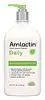 Key Ingredients
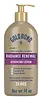
Benefits
Concerns
Ingredients Side-by-side
Water
Skin ConditioningGlycerin
Humectant


Hydroxyethyl Urea
Humectant
Dimethicone
Emollient
Cocos Nucifera Oil
Masking







Jojoba Esters
Emollient
Gluconolactone
Skin Conditioning






Petrolatum
Emollient
Steareth-21
CleansingCetyl Alcohol
Emollient
Distearyldimonium Chloride
Aloe Barbadensis Leaf Juice
Skin Conditioning

Stearyl Alcohol
Emollient
Cyclopentasiloxane
Emollient
Cetearyl Alcohol
Emollient
Ammonium Lactate
Buffering
Behentrimonium Methosulfate
SurfactantGlyceryl Stearate
Emollient
Methyl Gluceth-20
Humectant
Butyrospermum Parkii Butter Extract
Skin Conditioning
Theobroma Cacao Seed Butter
Emollient
Ceramide NP
Skin Conditioning
Panthenol
Skin Conditioning
Ceramide Ns
Skin Conditioning
Ceramide Eos
Skin Conditioning
Magnesium Ascorbyl Phosphate
Antioxidant

Tocopheryl Acetate
Antioxidant
Zingiber Officinale Root Extract
Masking
Hydrolyzed Jojoba Esters
Skin Conditioning
Ceramide EOP
Skin Conditioning
Bisabolol
Antioxidant
Caprooyl Phytosphingosine
Skin Conditioning
Ethylhexylglycerin
Skin ConditioningBehenic Acid
Cleansing
Butylene Glycol
Humectant
Dimethiconol
Emollient
Ceramide AP
Skin Conditioning
Propylene Glycol
Humectant
Stearamidopropyl Pg-Dimonium Chloride Phosphate
Polysorbate 60
Emulsifying
Ceteareth-25
CleansingCaprooyl Sphingosine
Skin ConditioningCholesterol
Emollient
EDTA
Methylparaben
Preservative


Parfum
Masking
Potassium Hydroxide
BufferingCaramel
Cosmetic ColorantWater, Glycerin, Hydroxyethyl Urea, Dimethicone, Cocos Nucifera Oil, Jojoba Esters, Gluconolactone, Petrolatum, Steareth-21, Cetyl Alcohol, Distearyldimonium Chloride, Aloe Barbadensis Leaf Juice, Stearyl Alcohol, Cyclopentasiloxane, Cetearyl Alcohol, Ammonium Lactate, Behentrimonium Methosulfate, Glyceryl Stearate, Methyl Gluceth-20, Butyrospermum Parkii Butter Extract, Theobroma Cacao Seed Butter, Ceramide NP, Panthenol, Ceramide Ns, Ceramide Eos, Magnesium Ascorbyl Phosphate, Tocopheryl Acetate, Zingiber Officinale Root Extract, Hydrolyzed Jojoba Esters, Ceramide EOP, Bisabolol, Caprooyl Phytosphingosine, Ethylhexylglycerin, Behenic Acid, Butylene Glycol, Dimethiconol, Ceramide AP, Propylene Glycol, Stearamidopropyl Pg-Dimonium Chloride Phosphate, Polysorbate 60, Ceteareth-25, Caprooyl Sphingosine, Cholesterol, EDTA, Methylparaben, Parfum, Potassium Hydroxide, Caramel
Reviews
Ingredients Explained
These ingredients are found in both products.
Ingredients higher up in an ingredient list are typically present in a larger amount.
Ammonium lactate is derived from lactic acid and is considered an AHA. It is often used to treat very dry, rough, or itchy skin.
At 12% strength, this ingredient has been shown to do more than just moisturize. Studies show it can increase skin thickness, boost natural hyaluronic acid in skin, and improve overall firmness/elasticity.
You'll likely see this ingredient in eczema treatments. Many OTC products contain this ingredient (up to 10%), but stronger versions (30%) are only available by prescription in many countries.
According to the Cosmetic Use Guidelines (CIR Expert Panel), this ingredient is safe to use at ≤10% with pH ≥3.5, provided sun protection is included. Like all AHAs, ammonium lactate makes your skin more sensitive to the sun (daily sun protection is a mustl). Without it, UV exposure can lead to damage and undo the benefits of treatment.
Be sure to listen to your medical provider when using prescription ammonium lactate.
Learn more about Ammonium LactateDimethicone is a type of synthetic silicone created from natural materials such as quartz. It is also known as polydimethylsiloxane.
What it does:
Dimethicone comes in different viscosities:
Depending on the viscosity, dimethicone has different properties.
Ingredients lists don't always show which type is used, so we recommend reaching out to the brand if you have questions about the viscosity.
This ingredient is unlikely to cause irritation because it does not get absorbed into skin. However, people with silicone allergies should be careful about using this ingredient.
Note: Dimethicone may contribute to pilling. This is because it is not oil or water soluble, so pilling may occur when layered with products. When mixed with heavy oils in a formula, the outcome is also quite greasy.
Learn more about DimethiconeGlycerin (or glycerol) is a compound naturally found in your skin. It's a powerhouse humectant that pulls water into the stratum corneum.
Topically, glycerin does several things at once:
Your skin makes glycerin on its own (mostly from sebaceous oil breakdown) and shuttles it to your outermost layer of skin, or your epidermis, via aquaporin-3.
Aquaporin-3 is a transporter that is essential for normal skin hydration, elasticity, and repair. Interestingly, mice lacking in AQP3 have dry and less elastic skin that can be fully corrected with glycerin.
This ingredient is non-irritating, plays well with almost every ingredient, and works across all skin types. Typical use is anywhere between 3-10% but can go up to 79% in some leave-on products.
Just know very high concentrations (>40%) can feel tacky in low humidity.
Glycerin is the name for this ingredient in American English. British English uses Glycerol/Glycerine.
Learn more about GlycerinSteareth-21 is a nonionic emulsifier made by reacting stearyl alcohol with 21 units of ethylene oxide. It is mainly a cleansing agent and emulsifier.
The "21" in the name just tells you it has a longer water-loving chain. This makes it more gentle and less likely to irritate skin compared to lower-numbered steareths.
You'll most likely see it paired with steareth-2 because the two work together to create stable formulations.
1,4-dioxane is often brought up as a concern but this is usually removed through purification.
Learn more about Steareth-21Stearyl Alcohol is a type of fatty alcohol from stearic acid. It is a white, waxy compound used to emulsify ingredients used as an emollient or to thicken a product.
Emollients help soothe and hydrate the skin by trapping moisture.
Fatty alcohols are usually derived from natural fats and oils and therefore do not have the same drying or irritating effect as solvent (ethanol) alcohols.
The FDA allows products labeled "alcohol-free" to have fatty alcohols.
This ingredient may not be fungal acne safe. It is a primary fatty alcohol with a chain length above 12 carbons. A study from 2019 show Malassezia can feed on fatty alcohols in this range, so it may trigger fungal acne in those prone to it.
Learn more about Stearyl AlcoholWater. It's the most common cosmetic ingredient of all. You'll usually see it at the top of ingredient lists, meaning that it makes up the largest part of the product.
So why is it so popular? Water most often acts as a solvent - this means that it helps dissolve other ingredients into the formulation.
You'll also recognize water as that liquid we all need to stay alive. If you see this, drink a glass of water. Remember to stay hydrated!
Learn more about Water

