This oil-based makeup remover is made to dissolve makeup, sunscreen, and daily buildup.
This oil-based makeup remover is made to dissolve makeup, sunscreen, and daily buildup.

What's inside
What's inside
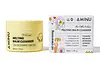 Key Ingredients
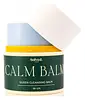
Benefits
Concerns
Ingredients Side-by-side
Cetyl Ethylhexanoate
EmollientCarthamus Tinctorius Seed Oil
Masking



Hydrogenated Vegetable Oil
Emollient

Polyglyceryl-10 Diisostearate
Emulsifying
Polyglyceryl-6 Dicaprate
EmulsifyingCaprylic/Capric Triglyceride
Masking

Glyceryl Stearate
Emollient
Hydrogenated Soy Polyglycerides
Skin ConditioningMethylpropanediol
SolventC15-23 Alkane
SolventLimnanthes Alba Seed Oil
Skin Conditioning
Gossypium Herbaceum Seed Oil
Skin Conditioning
Butyrospermum Parkii Butter
Skin Conditioning
Macadamia Ternifolia Seed Oil
Emollient
Cocos Nucifera Fruit Extract
Emollient
Chamomilla Recutita Flower Extract
Masking

Aloe Barbadensis Leaf Extract
Emollient
Camellia Sinensis Leaf Extract
Antimicrobial




Cinnamomum Zeylanicum Bark Extract
Antimicrobial
Acorus Calamus Root Extract
Perfuming
Commiphora Myrrha Resin Extract
Skin ConditioningOlea Europaea Fruit Oil
Masking
Water
Skin ConditioningArgania Spinosa Kernel Oil
Emollient
Polyglyceryl-3 Diisostearate
Emulsifying
Glycerin
Humectant
Leptospermum Scoparium Branch/Leaf Oil
Tonic
Carica Papaya Seed Oil
Humectant
Pentaerythrityl Tetra-Di-T-Butyl Hydroxyhydrocinnamate
Antioxidant
Cucurbita Pepo Seed Oil
Emollient
Caprylyl Glycol
Emollient
Phenylpropanol
Masking
Tocopherol
Antioxidant
Hydroxymethoxyphenyl Decanone
Skin ConditioningGlycine Soja Oil
Emollient
Daucus Carota Sativa Root Extract
Skin Conditioning
Beta-Carotene
Skin ConditioningCitrus Grandis Peel Oil
Masking


Cetyl Ethylhexanoate, Carthamus Tinctorius Seed Oil, Hydrogenated Vegetable Oil, Polyglyceryl-10 Diisostearate, Polyglyceryl-6 Dicaprate, Caprylic/Capric Triglyceride, Glyceryl Stearate, Hydrogenated Soy Polyglycerides, Methylpropanediol, C15-23 Alkane, Limnanthes Alba Seed Oil, Gossypium Herbaceum Seed Oil, Butyrospermum Parkii Butter, Macadamia Ternifolia Seed Oil, Cocos Nucifera Fruit Extract, Chamomilla Recutita Flower Extract, Aloe Barbadensis Leaf Extract, Camellia Sinensis Leaf Extract, Cinnamomum Zeylanicum Bark Extract, Acorus Calamus Root Extract, Commiphora Myrrha Resin Extract, Olea Europaea Fruit Oil, Water, Argania Spinosa Kernel Oil, Polyglyceryl-3 Diisostearate, Glycerin, Leptospermum Scoparium Branch/Leaf Oil, Carica Papaya Seed Oil, Pentaerythrityl Tetra-Di-T-Butyl Hydroxyhydrocinnamate, Cucurbita Pepo Seed Oil, Caprylyl Glycol, Phenylpropanol, Tocopherol, Hydroxymethoxyphenyl Decanone, Glycine Soja Oil, Daucus Carota Sativa Root Extract, Beta-Carotene, Citrus Grandis Peel Oil




Alternatives
Ingredients Explained
These ingredients are found in both products.
Ingredients higher up in an ingredient list are typically present in a larger amount.
Caprylic/Capric Triglyceride (aka MCT Oil) is a lightweight emollient, solvent, and texture enhancer. It is considered a skin-softener by helping to prevent moisture loss.
Though it behaves like an oil, it is not technically one due to its chemical composition. One perk of this ingredient is that it is very stable, resistant to oxidation, and unlikely to go rancid.
In practice, that translates to a long shelf life and a consistently elegant skin feel.
While there is an assumption Caprylic Triglyceride can clog pores due to it being derived from coconut oil, there is no research supporting this. Just patch test if you have concerns.
Fractionated coconut oil and MCT Oil are both listed as Caprylic/Capric Triglyceride according to INCI. This is because INCI names are based on the ingredient’s final chemical composition and not its marketing name or source.
This ingredient is treated as the gold standard fungal acne safe oil. Even though it is coconut derived, the problematic lauric acid is stripped out.
This leaves just caprylic (C8) and capric (C10) acid. These chain lengths actually trend antifungal; a 2020 study found caprylic acid was enough to disrupt Malassezia furfur cell membrane, with a caprylic acid derivative damaging membrane structures at concentrations as low as 0.2%.
Learn more about Caprylic/Capric TriglycerideCarthamus Tinctorius Seed Oil comes from the seeds of the safflower plant. It is a skin conditioning agent that helps soften skin and keep it hydrated.
This seed oil has an unusual fatty acid profile: it is one of the highest linoleic acid plant oils out there (~55-77%). It also has low amounts of oleic acid, and this high-linoleic/low-oleic ratio gets people excited.
Linoleic acid helps maintain skin barrier integrity and is a building block for the ceramides in your stratum corneum. Notably, people with acne tend to have lower linoleic acid in their skin lipids as well (and this gets worse as acne gets more severe).
Overall, it's a lightweight, fast-absorbing oil that has a long safety track record. Lab testing has found it to be non-irritating for skin or eyes.
The Malassezia yeast can metabolize the fatty acids in this oil to grow; therefore this ingredient may not be fungal acne safe.
Learn more about Carthamus Tinctorius Seed OilWater. It's the most common cosmetic ingredient of all. You'll usually see it at the top of ingredient lists, meaning that it makes up the largest part of the product.
So why is it so popular? Water most often acts as a solvent - this means that it helps dissolve other ingredients into the formulation.
You'll also recognize water as that liquid we all need to stay alive. If you see this, drink a glass of water. Remember to stay hydrated!
Learn more about Water

