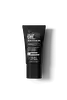
This chemical sunscreen covers most of the UV range, lighter on the deep UVA that drives aging.
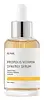
This calming serum is formulated around Hippophae Rhamnoides Fruit Extract and Niacinamide to calm redness and brighten dull-looking skin.


What's inside
What's inside
 Key Ingredients
Benefits
Concerns
Ingredients Side-by-side
Aloe Barbadensis Leaf Extract
Emollient


Camellia Sinensis Leaf Extract
Antimicrobial




Glycyrrhiza Glabra Root Extract
Bleaching


Daucus Carota Sativa Seed Extract
Emollient
Niacinamide
Smoothing


Rubus Idaeus Seed Oil
Emollient


Isododecane
EmollientDimethicone/Bis-Isobutyl PPG-20 Crosspolymer
Emollient
Butyloctyl Salicylate
Skin Conditioning

Caprylic/Capric Triglyceride
Masking
Tridecyl Salicylate
Skin Conditioning
Camellia Sinensis Extract
Antioxidant
Citrullus Lanatus Fruit Extract
Skin Conditioning
Daucus Carota Sativa Extract
Perfuming
Helianthus Annuus Flower
Skin ConditioningPunica Granatum Extract
AstringentRosmarinus Officinalis Extract
AntimicrobialTetrahexyldecyl Ascorbate
Antioxidant
Tocopherol
Antioxidant
Butyl Methoxydibenzoylmethane
UV Absorber
Homosalate
Skin Conditioning
Octocrylene
UV Absorber

Ethylhexyl Salicylate
UV Absorber
Aloe Barbadensis Leaf Extract, Camellia Sinensis Leaf Extract, Glycyrrhiza Glabra Root Extract, Daucus Carota Sativa Seed Extract, Niacinamide, Rubus Idaeus Seed Oil, Isododecane, Dimethicone/Bis-Isobutyl PPG-20 Crosspolymer, Butyloctyl Salicylate, Caprylic/Capric Triglyceride, Tridecyl Salicylate, Camellia Sinensis Extract, Citrullus Lanatus Fruit Extract, Daucus Carota Sativa Extract, Helianthus Annuus Flower, Punica Granatum Extract, Rosmarinus Officinalis Extract, Tetrahexyldecyl Ascorbate, Tocopherol, Butyl Methoxydibenzoylmethane, Homosalate, Octocrylene, Ethylhexyl Salicylate
Water
Skin ConditioningGlycerin
Humectant
Hippophae Rhamnoides Fruit Extract
Skin Conditioning
1,2-Hexanediol
Skin Conditioning
Niacinamide
Smoothing
Butylene Glycol
Humectant
Propolis Extract
Skin Conditioning
Sodium Hyaluronate
Humectant
Glycosyl Trehalose
Emulsion StabilisingHydrogenated Starch Hydrolysate
HumectantDipropylene Glycol
HumectantCentella Asiatica Extract
Cleansing
Polygonum Cuspidatum Root Extract
Antioxidant
Scutellaria Baicalensis Root Extract
Astringent
Camellia Sinensis Leaf Extract
Antimicrobial
Chamomilla Recutita Flower Extract
Masking
Rosmarinus Officinalis Leaf Extract
AntimicrobialSaccharomyces/Viscum Album Ferment Extract
Skin Conditioning
Lactobacillus/Soybean Ferment Extract
Skin ConditioningSaccharomyces/Imperata Cylindrica Root Ferment Extract
Emollient
Punica Granatum Fruit Extract
Antioxidant
Ficus Carica Fruit Extract
Humectant
Morus Alba Fruit Extract
Antioxidant
Ginkgo Biloba Nut Extract
Skin ConditioningHydroxyethylcellulose
Emulsion StabilisingCarbomer
Emulsion StabilisingArginine
Masking
Dipotassium Glycyrrhizate
Humectant
Allantoin
Skin Conditioning
Adenosine
Skin Conditioning
Citrus Aurantium Bergamia Fruit Oil
Masking
Water, Glycerin, Hippophae Rhamnoides Fruit Extract, 1,2-Hexanediol, Niacinamide, Butylene Glycol, Propolis Extract, Sodium Hyaluronate, Glycosyl Trehalose, Hydrogenated Starch Hydrolysate, Dipropylene Glycol, Centella Asiatica Extract, Polygonum Cuspidatum Root Extract, Scutellaria Baicalensis Root Extract, Camellia Sinensis Leaf Extract, Chamomilla Recutita Flower Extract, Rosmarinus Officinalis Leaf Extract, Saccharomyces/Viscum Album Ferment Extract, Lactobacillus/Soybean Ferment Extract, Saccharomyces/Imperata Cylindrica Root Ferment Extract, Punica Granatum Fruit Extract, Ficus Carica Fruit Extract, Morus Alba Fruit Extract, Ginkgo Biloba Nut Extract, Hydroxyethylcellulose, Carbomer, Arginine, Dipotassium Glycyrrhizate, Allantoin, Adenosine, Citrus Aurantium Bergamia Fruit Oil
Reviews
Ingredients Explained
These ingredients are found in both products.
Ingredients higher up in an ingredient list are typically present in a larger amount.
Camellia Sinensis Leaf Extract (tea extract) is one of the most well-researched plant extracts in skincare with an impressive resume.
Black tea, green tea, and oolong tea are all harvested from the Camellia Sinensis plant.
Studies show green tea extract and its catechins (like epigallocatechin gallate (EGCG)) help your skin cells product energy more efficiently and reducing the number of free-radicals that can damage your skin from the inside.
In lab-grown skin models, this translated to younger, healthier, and stronger skin.
There's also good sun protection data; researchers saw less DNA damage and redness on human skin when green tea was applied before UVB exposure. And the more they applied, the better the protection.
Needless to say, this ingredient shouldn't replace your sunscreen. But it is a great supportive ingredient that you can already find in many sunscreens and antioxidant serums.
A 2009 study found a 2% green tea lotion was effective for mild-to-moderate acne thanks to its anti-inflammatory and mild antimicrobial activity.
The quality of the extract matters a lot here:
Good extracts contain 50-90% catechins while lower quality ones are mostly there for marketing. We recommend reaching out to the brand if you have questions about the quality or source of their ingredients.
Human Repeated Insult Patch Testing showed no irritation or sensitization at use concentrations (0.86% in leave-on products and up to 30% as leaf water).
Learn more about Camellia Sinensis Leaf ExtractNiacinamide is a multitasking form of vitamin B3 that strengthens the skin barrier, reduces pores and dark spots, regulates oil, and improves signs of aging.
And the best part? It's gentle and well-tolerated by most skin types, including sensitive and reactive skin.
You might have heard of "niacin flush", or the reddening of skin that causes itchiness. Niacinamide has not been found to cause this.
In very rare cases, some individuals may not be able to tolerate niacinamide at all or experience an allergic reaction to it.
If you are experiencing flaking, irritation, and dryness with this ingredient, be sure to double check all your products as this ingredient can be found in all categories of skincare.
When incorporating niacinamide into your routine, look out for concentration amounts. Typically, 5% niacinamide provides benefits such as fading dark spots. However, if you have sensitive skin, it is better to begin with a smaller concentration.
When you apply niacinamide to your skin, your body converts it into nicotinamide adenine dinucleotide (NAD). NAD is an essential coenzyme that is already found in your cells as "fuel" and powers countless biological processes.
In your skin, NAD helps repair cell damage, produce new healthy cells, support collagen production, strengthen the skin barrier, and fight environmental stressors (like UV and pollution).
Our natural NAD levels start to decline with age, leading to slower skin repair, visible aging, and a weaker skin barrier. By providing your skin niacinamide, you're recharging your skin's NAD levels. This leads to stronger, healthier, and younger looking skin.
Another name for vitamin B3 is nicotinamide. This vitamin is water-soluble and our bodies don't store it. We obtain Vitamin B3 from either food or skincare. Meat, fish, wheat, yeast, and leafy greens contain vitamin B3.
The type of niacinamide used in skincare is synthetically created.
Learn more about Niacinamide

