Alleyoop Sunsational SPF 50 Skin Tint with Niacinamide Versus Typology Tinted Serum Vitamin C, Squalane & Aloe Vera


What's inside
What's inside
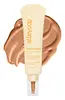 Key Ingredients
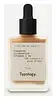
Benefits
Concerns
Ingredients Side-by-side
Zinc Oxide 12%
Cosmetic Colorant


Water
Skin ConditioningC12-15 Alkyl Benzoate
AntimicrobialCaprylic/Capric Triglyceride
Masking


Propanediol
Solvent
Tridecyl Salicylate
Skin ConditioningPolyglyceryl-4 Diisostearate/Polyhydroxystearate/Sebacate
Emulsifying

Polymethylsilsesquioxane

Jojoba Esters
Emollient
Niacinamide
Smoothing









Methylheptyl Isostearate
Skin ConditioningSilica
Abrasive
Coco-Caprylate
Emollient
Polyglyceryl-2 Dipolyhydroxystearate
Skin Conditioning
Sodium Chloride
MaskingPhenoxyethanol
Preservative
Bisabolol
Antioxidant
Dimethicone
Emollient
Oryza Sativa Bran Extract
Skin Conditioning
Allantoin
Skin Conditioning
Lecithin
Emollient
Caprylyl Glycol
Emollient
Ethylhexylglycerin
Skin ConditioningHexylene Glycol
EmulsifyingHydrogenated Lecithin
Emulsifying
Helianthus Annuus Extract
Emollient
Aluminum Hydroxide
EmollientTocopherol
Antioxidant
Rosmarinus Officinalis Leaf Extract
AntimicrobialTetrasodium Glutamate Diacetate
Sodium Hydroxide
BufferingIron Oxides
CI 77891
Cosmetic ColorantZinc Oxide 12%, Water, C12-15 Alkyl Benzoate, Caprylic/Capric Triglyceride, Propanediol, Tridecyl Salicylate, Polyglyceryl-4 Diisostearate/Polyhydroxystearate/Sebacate, Polymethylsilsesquioxane, Jojoba Esters, Niacinamide, Methylheptyl Isostearate, Silica, Coco-Caprylate, Polyglyceryl-2 Dipolyhydroxystearate, Sodium Chloride, Phenoxyethanol, Bisabolol, Dimethicone, Oryza Sativa Bran Extract, Allantoin, Lecithin, Caprylyl Glycol, Ethylhexylglycerin, Hexylene Glycol, Hydrogenated Lecithin, Helianthus Annuus Extract, Aluminum Hydroxide, Tocopherol, Rosmarinus Officinalis Leaf Extract, Tetrasodium Glutamate Diacetate, Sodium Hydroxide, Iron Oxides, CI 77891
Water
Skin ConditioningIsoamyl Laurate
Emollient
C9-12 Alkane
SolventSqualane
Emollient
Polyglyceryl-3 Diisostearate
Emulsifying


Propanediol
Solvent
Silica
Abrasive
Polyglyceryl-6 Polyricinoleate
Emulsifying
Glycerin
Humectant
Magnesium Sulfate
Ascorbyl Tetraisopalmitate
Antioxidant
Polyglyceryl-2 Isostearate
Emulsifying
Coco-Caprylate/Caprate
Emollient
Disteardimonium Hectorite
StabilisingHydroxyethylcellulose
Emulsion StabilisingSodium Benzoate
Masking
Disodium Stearoyl Glutamate
CleansingPotassium Sorbate
Preservative
Aloe Barbadensis Leaf Juice
Skin Conditioning
Aluminum Hydroxide
EmollientSodium Nitrate
SoothingCI 77891
Cosmetic ColorantCI 77492
Cosmetic ColorantCI 77491
Cosmetic ColorantCI 77499
Cosmetic ColorantWater, Isoamyl Laurate, C9-12 Alkane, Squalane, Polyglyceryl-3 Diisostearate, Propanediol, Silica, Polyglyceryl-6 Polyricinoleate, Glycerin, Magnesium Sulfate, Ascorbyl Tetraisopalmitate, Polyglyceryl-2 Isostearate, Coco-Caprylate/Caprate, Disteardimonium Hectorite, Hydroxyethylcellulose, Sodium Benzoate, Disodium Stearoyl Glutamate, Potassium Sorbate, Aloe Barbadensis Leaf Juice, Aluminum Hydroxide, Sodium Nitrate, CI 77891, CI 77492, CI 77491, CI 77499
Reviews
Ingredients Explained
These ingredients are found in both products.
Ingredients higher up in an ingredient list are typically present in a larger amount.
Aluminum Hydroxide is a form of aluminum. It can be naturally found in nature as the mineral gibbsite. In cosmetics, Aluminum Hydroxide is used as a colorant, pH adjuster, and absorbent.
As a colorant, Aluminum Hydroxide may add opacity, or reduce the transparency. Aluminum hydroxide is contains both basic and acidic properties.
According to manufacturers, this ingredient is an emollient and humectant. This means it helps hydrate the skin.
In medicine, this ingredient is used to help relieve heartburn and help heal ulcers.
There is currently no credible scientific evidence linking aluminum hydroxide in cosmetics to increased cancer risk.
Major health organizations allow the use of aluminum hydroxide in personal care products and have not flagged it as a carcinogenic risk at typical usage levels.
Learn more about Aluminum HydroxideCi 77891 is a white pigment from Titanium dioxide. It is naturally found in minerals such as rutile and ilmenite.
It's main function is to add a white color to cosmetics. It can also be mixed with other colors to create different shades.
Ci 77891 is commonly found in sunscreens due to its ability to block UV rays.
Learn more about CI 77891Propanediol is an all-star ingredient. It softens, hydrates, and smooths the skin.
It’s often used to:
Propanediol is not likely to cause sensitivity and considered safe to use. It is derived from corn or petroleum with a clear color and no scent.
Learn more about PropanediolSilica, also known as silicon dioxide, is a naturally occurring mineral. It is used as a fine, spherical, and porous powder in cosmetics.
Though it has exfoliant properties, the function of silica varies depending on the product.
The unique structure of silica enhances the spreadability and adds smoothness, making it a great texture enhancer.
It is also used as an active carrier, emulsifier, and mattifier due to its ability to absorb excess oil.
In some products, tiny microneedles called spicules are made from silica or hydrolyzed sponge. When you rub them in, they lightly polish away dead skin layers and enhance the penetration of active ingredients.
Learn more about SilicaWater. It's the most common cosmetic ingredient of all. You'll usually see it at the top of ingredient lists, meaning that it makes up the largest part of the product.
So why is it so popular? Water most often acts as a solvent - this means that it helps dissolve other ingredients into the formulation.
You'll also recognize water as that liquid we all need to stay alive. If you see this, drink a glass of water. Remember to stay hydrated!
Learn more about Water

