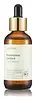
This calming serum is formulated around Houttuynia Cordata Extract and Camellia Sinensis Leaf Extract to calm redness and hydrate skin.
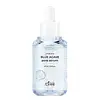
This pore-care serum is formulated around Niacinamide to refine the look of pores and balance excess oil.

What's inside
What's inside
 Key Ingredients
Benefits
Concerns
Ingredients Side-by-side
Water
Skin ConditioningGlycerin
Humectant


1,2-Hexanediol
Skin Conditioning
Dipropylene Glycol
HumectantHouttuynia Cordata Extract
Skin Conditioning

Camellia Sinensis Leaf Extract
Antimicrobial




Myrothamnus Flabellifolia Leaf Extract
EmollientPortulaca Oleracea Extract
Skin Conditioning
Salvia Officinalis Leaf Extract
CleansingEuterpe Oleracea Fruit Extract
Vaccinium Angustifolium Fruit Extract
Skin Protecting
Phyllanthus Emblica Fruit Extract
HumectantVaccinium Macrocarpon Fruit Extract
AstringentSodium Hyaluronate
Humectant
Allantoin
Skin Conditioning
Dipotassium Glycyrrhizate
Humectant
Pelargonium Graveolens Flower Oil
Masking




Betaine
Humectant
Butylene Glycol
Humectant
Propanediol
Solvent
Ethylhexylglycerin
Skin ConditioningPolyglyceryl-10 Laurate
Skin Conditioning

Carbomer
Emulsion StabilisingTromethamine
BufferingDisodium EDTA
ChelatingCitronellol
Perfuming
Geraniol
Perfuming
Linalool
Perfuming
Water, Glycerin, 1,2-Hexanediol, Dipropylene Glycol, Houttuynia Cordata Extract, Camellia Sinensis Leaf Extract, Myrothamnus Flabellifolia Leaf Extract, Portulaca Oleracea Extract, Salvia Officinalis Leaf Extract, Euterpe Oleracea Fruit Extract, Vaccinium Angustifolium Fruit Extract, Phyllanthus Emblica Fruit Extract, Vaccinium Macrocarpon Fruit Extract, Sodium Hyaluronate, Allantoin, Dipotassium Glycyrrhizate, Pelargonium Graveolens Flower Oil, Betaine, Butylene Glycol, Propanediol, Ethylhexylglycerin, Polyglyceryl-10 Laurate, Carbomer, Tromethamine, Disodium EDTA, Citronellol, Geraniol, Linalool
Agave Tequilana Leaf Extract
AstringentNiacinamide
Smoothing



Glycerin
Humectant
Butylene Glycol
Humectant
2,3-Butanediol
Humectant1,2-Hexanediol
Skin Conditioning
Water
Skin ConditioningAdenosine
Skin Conditioning
Polyglyceryl-10 Laurate
Skin Conditioning
Carbomer
Emulsion StabilisingTromethamine
BufferingBetaine
Humectant
Diospyros Kaki Leaf Extract
Skin Protecting
Vitis Vinifera Fruit Extract
Skin ConditioningCoffea Arabica Seed Extract
Masking
Polygonum Cuspidatum Root Extract
Antioxidant
Carthamus Tinctorius Flower Extract
Skin ConditioningCastanea Crenata Shell Extract
Skin ConditioningChrysanthemum Indicum Extract
Antioxidant
Camellia Sinensis Leaf Extract
Antimicrobial
Ethylhexylglycerin
Skin ConditioningXanthan Gum
EmulsifyingSodium Phytate
ChelatingCitrus Tangerina Peel Extract
AstringentLactobacillus
Skin ConditioningBacillus Ferment
Skin Conditioning
Stellaria Media Extract
Skin ConditioningDextrin
AbsorbentSodium Hyaluronate
Humectant
Tremella Fuciformis Extract
Humectant
Gardenia Florida Flower Extract
Skin ConditioningHydroxypropyltrimonium Hyaluronate
Tocopherol
Antioxidant
Hydrolyzed Hyaluronic Acid
Humectant
Sodium Acetylated Hyaluronate
Humectant
Hyaluronic Acid
Humectant
Sodium Hyaluronate Crosspolymer
Humectant
Hydrolyzed Sodium Hyaluronate
Skin Conditioning
Potassium Hyaluronate
Skin ConditioningAgave Tequilana Leaf Extract, Niacinamide, Glycerin, Butylene Glycol, 2,3-Butanediol, 1,2-Hexanediol, Water, Adenosine, Polyglyceryl-10 Laurate, Carbomer, Tromethamine, Betaine, Diospyros Kaki Leaf Extract, Vitis Vinifera Fruit Extract, Coffea Arabica Seed Extract, Polygonum Cuspidatum Root Extract, Carthamus Tinctorius Flower Extract, Castanea Crenata Shell Extract, Chrysanthemum Indicum Extract, Camellia Sinensis Leaf Extract, Ethylhexylglycerin, Xanthan Gum, Sodium Phytate, Citrus Tangerina Peel Extract, Lactobacillus, Bacillus Ferment, Stellaria Media Extract, Dextrin, Sodium Hyaluronate, Tremella Fuciformis Extract, Gardenia Florida Flower Extract, Hydroxypropyltrimonium Hyaluronate, Tocopherol, Hydrolyzed Hyaluronic Acid, Sodium Acetylated Hyaluronate, Hyaluronic Acid, Sodium Hyaluronate Crosspolymer, Hydrolyzed Sodium Hyaluronate, Potassium Hyaluronate
Ingredients Explained
These ingredients are found in both products.
Ingredients higher up in an ingredient list are typically present in a larger amount.
1,2-Hexanediol is a synthetic liquid and another multi-functional powerhouse.
It is a:
- Humectant, drawing moisture into the skin
- Emollient, helping to soften skin
- Solvent, dispersing and stabilizing formulas
- Preservative booster, enhancing the antimicrobial activity of other preservatives
Betaine is a humectant. Like hyaluronic acid, it helps attract and retain moisture in the skin. It’s known for being gentle and for helping the skin maintain balanced hydration.
Betaine is mainly used to improve hydration and support calmer skin. It helps skin cells regulate water balance because it functions as an osmolyte.
Some studies suggest betaine may support making skin tone more even.
Fun fact: Betaine naturally exists in the skin and the body. In cosmetic products, it can be either plant-derived (most commonly from sugar beets) or synthetically produced for consistency and stability.
Betaine is also known as trimethylglycine.
Learn more about BetaineButylene Glycol (or BG) is used within cosmetic products for a few different reasons:
Overall, Butylene Glycol is a safe and well-rounded ingredient that works well with other ingredients.
Though this ingredient works well with most skin types, some people with sensitive skin may experience a reaction such as allergic rashes, closed comedones, or itchiness.
Learn more about Butylene GlycolCamellia Sinensis Leaf Extract (tea extract) is one of the most well-researched plant extracts in skincare with an impressive resume.
Black tea, green tea, and oolong tea are all harvested from the Camellia Sinensis plant.
Studies show green tea extract and its catechins (like epigallocatechin gallate (EGCG)) help your skin cells product energy more efficiently and reducing the number of free-radicals that can damage your skin from the inside.
In lab-grown skin models, this translated to younger, healthier, and stronger skin.
There's also good sun protection data; researchers saw less DNA damage and redness on human skin when green tea was applied before UVB exposure. And the more they applied, the better the protection.
Needless to say, this ingredient shouldn't replace your sunscreen. But it is a great supportive ingredient that you can already find in many sunscreens and antioxidant serums.
A 2009 study found a 2% green tea lotion was effective for mild-to-moderate acne thanks to its anti-inflammatory and mild antimicrobial activity.
The quality of the extract matters a lot here:
Good extracts contain 50-90% catechins while lower quality ones are mostly there for marketing. We recommend reaching out to the brand if you have questions about the quality or source of their ingredients.
Human Repeated Insult Patch Testing showed no irritation or sensitization at use concentrations (0.86% in leave-on products and up to 30% as leaf water).
Learn more about Camellia Sinensis Leaf ExtractCarbomer is a synthetic thickening and gelling agent. It's basically the ingredient that gives a lot of serums, gels, creams, and sunscreens their smooth, non-sticky texture.
Although legally permitted at very high levels, carbomers are normally used at concentrations below 1%.
It also needs to be neutralized to actually thicken, and because it is a large molecule, it doesn't really penetrate the skin barrier.
Allergy-wise, the risk is very low. Clinical studies show carbomers have low potential for skin irritation/sensitization even at concentrations up to 100%.
A 2024 UK study patch-tested 1,302 patients and found true allergy to the parent group of carbomer to be rare with no confirmed relevant reactions.
Learn more about CarbomerEthylhexylglycerin is created from glycerin. It is a multitasker ingredient that:
The CIR Expert Panel found minimal skin absorption or sensitization of any kind in a safety assessment. Though this ingredient is considered well-tolerated, a small number of cases of allergic dermatitis have been published since 2002. Just be sure to patch test if you are unsure.
Industry-reported use ranges from 8% in rinse-off products and 2% in leave-on formulations.
Learn more about EthylhexylglycerinGlycerin (or glycerol) is a compound naturally found in your skin. It's a powerhouse humectant that pulls water into the stratum corneum.
Topically, glycerin does several things at once:
Your skin makes glycerin on its own (mostly from sebaceous oil breakdown) and shuttles it to your outermost layer of skin, or your epidermis, via aquaporin-3.
Aquaporin-3 is a transporter that is essential for normal skin hydration, elasticity, and repair. Interestingly, mice lacking in AQP3 have dry and less elastic skin that can be fully corrected with glycerin.
This ingredient is non-irritating, plays well with almost every ingredient, and works across all skin types. Typical use is anywhere between 3-10% but can go up to 79% in some leave-on products.
Just know very high concentrations (>40%) can feel tacky in low humidity.
Glycerin is the name for this ingredient in American English. British English uses Glycerol/Glycerine.
Learn more about GlycerinPolyglyceryl-10 Laurate is a cleansing agent and emulsifier.
It rounds up dirt, oil, and grime, so they can be rinsed off easily as a cleanser.
On the emulsifier side, it keeps your formula smooth and well-mixed by playing peacekeeper for ingredients that don't naturally get along (like oil and water).
Because it has a C12 (lauric acid) fatty acid chain, this ingredient can potentially feed the Malassezia yeast that causes fungal acne. The Malassezia yeast prefers esters with C11-C24 fatty acids.
This ingredient is an ester of lauric acid and Polyglycerin-10.
Learn more about Polyglyceryl-10 LaurateSodium Hyaluronate is the salt form of hyaluronic acid. It is a long sugar chain that is naturally found in your skin, joints, and connective tissue that maintains hydration and elasticity.
In skincare, it works as a humectant. It pulls water from the environment and deeper layers of skin and binds it to the surface.
Interestingly, the size of the molecule affects its behavior:
Some clinical evidence links low molecular weight versions to improved wrinkle depth, elasticity, anti-inflammatory effects, and barrier repair.
Many serums use a blend of both weights so you can get surface hydration plus longer-lasting and deeper effects.
You'll typically see concentrations between 0.1-2% for this ingredient.
Learn more about Sodium HyaluronateTromethamine (aka THAM) is a synthetic amino acid that shows up in skincare as a helper ingredient.
It functions as a pH adjuster to help neutralize acidic ingredients and set a formula's pH to the right spot.
This matters a lot because a lot of actives (like vitamin C) needs a specific pH to work well and feel comfortable on skin.
Concentration use ranges from 0.1-1.0% depending on the formula.
Learn more about TromethamineWater. It's the most common cosmetic ingredient of all. You'll usually see it at the top of ingredient lists, meaning that it makes up the largest part of the product.
So why is it so popular? Water most often acts as a solvent - this means that it helps dissolve other ingredients into the formulation.
You'll also recognize water as that liquid we all need to stay alive. If you see this, drink a glass of water. Remember to stay hydrated!
Learn more about Water


