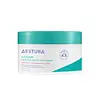
This calming toner pad uses a pre-saturated pad with Niacinamide and Gluconolactone to calm redness and strengthen the skin barrier.
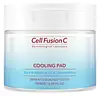
This calming toner pad uses a pre-saturated pad with Chamomilla Recutita Extract and Pinus Pinaster Bark Extract to calm redness and hydrate skin.

What's inside
What's inside
 Key Ingredients
Benefits
Concerns
Ingredients Side-by-side
Water
Skin ConditioningButylene Glycol
Humectant

Glycerin
Humectant
Niacinamide
Smoothing









1,2-Hexanediol
Skin Conditioning
Gluconolactone
Chelating
Tromethamine
BufferingXanthan Gum
EmulsifyingEthylhexylglycerin
Skin ConditioningLecithin
Emollient
Sodium Metaphosphate
BufferingPolyglyceryl-10 Oleate
Skin Conditioning

Prunus Mume Fruit Extract
Humectant
Sodium Hyaluronate
Humectant
3-O-Ethyl Ascorbic Acid
Skin Conditioning
Zinc PCA
Humectant
Polyglyceryl-4 Caprate
EmulsifyingAsiaticoside
Antioxidant
Madecassic Acid
Skin Conditioning
Glyceryl Caprylate
EmollientAsiatic Acid
Skin Conditioning
Madecassoside
Antioxidant
Sodium Trimetaphosphate
BufferingTocopherol
Antioxidant
Oryza Sativa Bran Oil
Emollient
Water, Butylene Glycol, Glycerin, Niacinamide, 1,2-Hexanediol, Gluconolactone, Tromethamine, Xanthan Gum, Ethylhexylglycerin, Lecithin, Sodium Metaphosphate, Polyglyceryl-10 Oleate, Prunus Mume Fruit Extract, Sodium Hyaluronate, 3-O-Ethyl Ascorbic Acid, Zinc PCA, Polyglyceryl-4 Caprate, Asiaticoside, Madecassic Acid, Glyceryl Caprylate, Asiatic Acid, Madecassoside, Sodium Trimetaphosphate, Tocopherol, Oryza Sativa Bran Oil
Water
Skin ConditioningMethylpropanediol
SolventGlycerin
Humectant
Dipropylene Glycol
HumectantChamomilla Recutita Extract
Skin Conditioning
Chrysanthemum Parthenium Extract
Skin ConditioningPinus Pinaster Bark Extract
Antioxidant
Sodium Hyaluronate
Humectant
Panthenol
Skin Conditioning
Betaine
Humectant
Trehalose
Humectant
Polyglyceryl-10 Laurate
Skin Conditioning
Xanthan Gum
EmulsifyingMethyl Diisopropyl Propionamide
MaskingCarbomer
Emulsion StabilisingDisodium EDTA
ChelatingTromethamine
BufferingAllantoin
Skin Conditioning
Butylene Glycol
Humectant
Acrylates/C10-30 Alkyl Acrylate Crosspolymer
Emulsion StabilisingAmmonium Acryloyldimethyltaurate/Vp Copolymer
Guaiazulene
Antimicrobial

Glyceryl Polymethacrylate
Acetyl Hexapeptide-8
Humectant
Aspartic Acid
Masking
1,2-Hexanediol
Skin Conditioning
Hydroxyacetophenone
Antioxidant
Water, Methylpropanediol, Glycerin, Dipropylene Glycol, Chamomilla Recutita Extract, Chrysanthemum Parthenium Extract, Pinus Pinaster Bark Extract, Sodium Hyaluronate, Panthenol, Betaine, Trehalose, Polyglyceryl-10 Laurate, Xanthan Gum, Methyl Diisopropyl Propionamide, Carbomer, Disodium EDTA, Tromethamine, Allantoin, Butylene Glycol, Acrylates/C10-30 Alkyl Acrylate Crosspolymer, Ammonium Acryloyldimethyltaurate/Vp Copolymer, Guaiazulene, Glyceryl Polymethacrylate, Acetyl Hexapeptide-8, Aspartic Acid, 1,2-Hexanediol, Hydroxyacetophenone
Reviews
Ingredients Explained
These ingredients are found in both products.
Ingredients higher up in an ingredient list are typically present in a larger amount.
1,2-Hexanediol is a synthetic liquid and another multi-functional powerhouse.
It is a:
- Humectant, drawing moisture into the skin
- Emollient, helping to soften skin
- Solvent, dispersing and stabilizing formulas
- Preservative booster, enhancing the antimicrobial activity of other preservatives
Butylene Glycol (or BG) is used within cosmetic products for a few different reasons:
Overall, Butylene Glycol is a safe and well-rounded ingredient that works well with other ingredients.
Though this ingredient works well with most skin types, some people with sensitive skin may experience a reaction such as allergic rashes, closed comedones, or itchiness.
Learn more about Butylene GlycolGlycerin (or glycerol) is a compound naturally found in your skin. It's a powerhouse humectant that pulls water into the stratum corneum.
Topically, glycerin does several things at once:
Your skin makes glycerin on its own (mostly from sebaceous oil breakdown) and shuttles it to your outermost layer of skin, or your epidermis, via aquaporin-3.
Aquaporin-3 is a transporter that is essential for normal skin hydration, elasticity, and repair. Interestingly, mice lacking in AQP3 have dry and less elastic skin that can be fully corrected with glycerin.
This ingredient is non-irritating, plays well with almost every ingredient, and works across all skin types. Typical use is anywhere between 3-10% but can go up to 79% in some leave-on products.
Just know very high concentrations (>40%) can feel tacky in low humidity.
Glycerin is the name for this ingredient in American English. British English uses Glycerol/Glycerine.
Learn more about GlycerinSodium Hyaluronate is the salt form of hyaluronic acid. It is a long sugar chain that is naturally found in your skin, joints, and connective tissue that maintains hydration and elasticity.
In skincare, it works as a humectant. It pulls water from the environment and deeper layers of skin and binds it to the surface.
Interestingly, the size of the molecule affects its behavior:
Some clinical evidence links low molecular weight versions to improved wrinkle depth, elasticity, anti-inflammatory effects, and barrier repair.
Many serums use a blend of both weights so you can get surface hydration plus longer-lasting and deeper effects.
You'll typically see concentrations between 0.1-2% for this ingredient.
Learn more about Sodium HyaluronateTromethamine (aka THAM) is a synthetic amino acid that shows up in skincare as a helper ingredient.
It functions as a pH adjuster to help neutralize acidic ingredients and set a formula's pH to the right spot.
This matters a lot because a lot of actives (like vitamin C) needs a specific pH to work well and feel comfortable on skin.
Concentration use ranges from 0.1-1.0% depending on the formula.
Learn more about TromethamineWater. It's the most common cosmetic ingredient of all. You'll usually see it at the top of ingredient lists, meaning that it makes up the largest part of the product.
So why is it so popular? Water most often acts as a solvent - this means that it helps dissolve other ingredients into the formulation.
You'll also recognize water as that liquid we all need to stay alive. If you see this, drink a glass of water. Remember to stay hydrated!
Learn more about WaterXanthan gum is used as a stabilizer and thickener within cosmetic products. It helps give products a sticky, thick feeling - preventing them from being too runny.
On the technical side of things, xanthan gum is a polysaccharide - a combination consisting of multiple sugar molecules bonded together.
Xanthan gum is a pretty common and great ingredient. It is a natural, non-toxic, non-irritating ingredient that is also commonly used in food products.
Learn more about Xanthan Gum

