Dr. Wu Hyalucmplx Intensive Hydrating Essence Toner
A toner with 48 ingredients, including hyaluronic acid.
This hydrating toner is formulated around Dipotassium Glycyrrhizate and Saccharide Isomerate to hydrate skin and strengthen the skin barrier.
We independently verify ingredients, backed by peer-reviewed research. Suggest an update.
What's inside
Ingredients List
Water
Skin ConditioningButylene Glycol
Humectant

Methyl Gluceth-20
Humectant
Phenoxyethanol
Preservative
Chlorphenesin
Antimicrobial
Disodium EDTA
ChelatingJojoba Wax PEG-120 Esters
Surfactant

Hydrolyzed Yeast Extract
Skin ConditioningSodium Polyacrylate
Absorbent
Hydrogenated Starch Hydrolysate
HumectantDipotassium Glycyrrhizate
Humectant

Saccharide Isomerate
Humectant
Glycosyl Trehalose
Emulsion StabilisingEthylhexylglycerin
Skin ConditioningSodium PCA
Humectant
Sodium Lactate
Buffering
Pentylene Glycol
Skin Conditioning
Arginine
Masking
Aspartic Acid
Masking
Alpinia Galanga Extract
Skin ConditioningAlpinia Galanga Leaf Extract
Skin ConditioningHydrolyzed Hyaluronic Acid
Humectant

Sodium Hyaluronate
Humectant
PCA
Humectant
Glycolipids
Skin ConditioningGlycine
Buffering
Alanine
Masking
Caprylic/Capric Triglyceride
Masking
Serine
Masking
Cetyl Hydroxyethylcellulose
Emulsion StabilisingValine
MaskingHydrolyzed Sodium Hyaluronate
Skin Conditioning
Prunus Amygdalus Dulcis Protein
Skin ConditioningXanthan Gum
EmulsifyingIsoleucine
Skin ConditioningProline
Skin Conditioning
Threonine
Polyglucuronic Acid
Skin ConditioningPotassium Sorbate
Preservative
Histidine
Humectant
Phenylalanine
Masking
Sodium Benzoate
Masking
Ascophyllum Nodosum Extract
Skin Conditioning

Lecithin
Emollient
Citric Acid
Buffering

Sodium Citrate
BufferingAsparagopsis Armata Extract
Skin Protecting
Citrus Junos Fruit Extract
Skin ConditioningWater, Butylene Glycol, Methyl Gluceth-20, Phenoxyethanol, Chlorphenesin, Disodium EDTA, Jojoba Wax PEG-120 Esters, Hydrolyzed Yeast Extract, Sodium Polyacrylate, Hydrogenated Starch Hydrolysate, Dipotassium Glycyrrhizate, Saccharide Isomerate, Glycosyl Trehalose, Ethylhexylglycerin, Sodium PCA, Sodium Lactate, Pentylene Glycol, Arginine, Aspartic Acid, Alpinia Galanga Extract, Alpinia Galanga Leaf Extract, Hydrolyzed Hyaluronic Acid, Sodium Hyaluronate, PCA, Glycolipids, Glycine, Alanine, Caprylic/Capric Triglyceride, Serine, Cetyl Hydroxyethylcellulose, Valine, Hydrolyzed Sodium Hyaluronate, Prunus Amygdalus Dulcis Protein, Xanthan Gum, Isoleucine, Proline, Threonine, Polyglucuronic Acid, Potassium Sorbate, Histidine, Phenylalanine, Sodium Benzoate, Ascophyllum Nodosum Extract, Lecithin, Citric Acid, Sodium Citrate, Asparagopsis Armata Extract, Citrus Junos Fruit Extract
Key Ingredients
Benefits
Concerns
Ingredients Explained
Water. It's the most common cosmetic ingredient of all. You'll usually see it at the top of ingredient lists, meaning that it makes up the largest part of the product.
So why is it so popular? Water most often acts as a solvent - this means that it helps dissolve other ingredients into the formulation.
You'll also recognize water as that liquid we all need to stay alive. If you see this, drink a glass of water. Remember to stay hydrated!
Learn more about WaterButylene Glycol (or BG) is used within cosmetic products for a few different reasons:
Overall, Butylene Glycol is a safe and well-rounded ingredient that works well with other ingredients.
Though this ingredient works well with most skin types, some people with sensitive skin may experience a reaction such as allergic rashes, closed comedones, or itchiness.
Learn more about Butylene GlycolMethyl Gluceth-20 is a humectant. Humectants help draw moisture from the air to your skin.
It is created by combining polyethylene glycol with glucose.
Phenoxyethanol is one of the most widely used preservatives in skincare (and for good reason!).
It has a large spectrum of antimicrobial activity and especially effective bacteria, yeast, and mold while only having a weak effect on your skin's natural microbiome.
On a cellular level, it disrupts the cell membranes of microbes by poking holes that make the cell leak. This shuts down the chemical reactions the microbe needs to make energy so it can no longer survive.
Another perk of this ingredient is that it stays functional across a wide pH range (3-10).
You'll often see it paired with boosters like Ethylhexylglycerin; one study showed that a 1:9 ratio of Ethylhexylglycerin to Phenoxyethanol damages bacterial membranes as effectively as doubling the Phenoxyethanol concentration on its own.
Typical use concentrations range from 0.3-1% depending on the formula, and this ingredient is capped at 1% int the EU.
Safety-wise, the fear mongering does not hold up to the evidence. The EU's Scientific Committee on Consumer Safety and FDA consider it safe as a preservative at up to 1%, including for children of all ages.
Adverse systemic effects only showed up in animal studies at exposures roughly 200x higher than what people get from cosmetics. And despite its very widespread use, this ingredient is a rare sensitizer and allergic reactions are uncommon.
Learn more about PhenoxyethanolChlorphenesin is a synthetic preservative. It helps protect a product against bacteria in order to extend shelf life. In most cases, Chlorphenesin is paired with other preservatives such as phenoxyethanol and caprylyl glycol.
Chlorphenesin is a biocide. This means it is able to help fight the microorganisms on our skin. It is also able to fight odor-releasing bacteria.
Chlorphenesin is soluble in both water and glycerin.
Studies show Chlorphenesin is easily absorbed by our skin. You should speak with a skincare professional if you have concerns about using Chlorphenesin.
Learn more about ChlorphenesinDisodium EDTA is a chelating agent. It grabs onto and deactivates metal ions that sneak into your products from water, packaging, or air.
This ingredient mainly works behind the scenes and helps with:
On top of that, this ingredient can counteract the effects of hard water by binding to the minerals in it.
One thing worth knowing is that Disodium EDTA has been shown to be a mild penetration enhancer. It can help other ingredients absorb into skin more effectively which can be a double-edged sword (great for actives, but can also make the active too strong if you have sensitive skin).
Clinical patch testing showed no significant skin irritation at typical use concentrations and minimal dermal absorption.
You'll most likely see this ingredient near the end of an ingredient list. It's typically found in concentrations less than 1%.
Learn more about Disodium EDTAJojoba Wax PEG-120 Esters isn't fungal acne safe.
We don't have a description for Hydrolyzed Yeast Extract yet.
Sodium Polyacrylate is the sodium salt of polyacrylic acid. It is used as an absorber, emollient, and stabilizer.
This ingredient is a super-absorbent polymer - meaning it can absorb 100 to 1000 times its mass in water. As an emollient, Sodium Polyacrylate helps soften and soothe skin. Emollients work by creating a barrier to trap moisture in. This helps keep your skin hydrated.
Hydrogenated Starch Hydrolysate is a made up of a mixture of sugar alcohols (like sorbitol) and is created by hydrogenating corn, wheat, or potato starch.
It acts as a humectant and draws water to the skin to keep it hydrated. Generally, this is a well-tolerated and non-irritating ingredient.
Dipotassium Glycyrrhizate comes from licorice root.
Extracts of licorice have demonstrated to have antibacterial, anti‐inflammatory, antiviral, antioxidant properties.
One component, glabridin, has extra potent antioxidant and soothing properties. It has also been found to block pigmentation from UVB rays in guinea pigs.
Licorice Root also contains a flavonoid. Flavonoids are a natural substance from in plants. Flavonoids also have antioxidant properties.
Another component, glycyrrhizin, has been found to have anti-inflammatory and antimicrobial benefits. This may make licorice root extract effective at treating acne. However, more research is needed to support this.
Liquiritin is one of the flavone compounds found in licorice. It has been found to help lighten skin by preventing tyrosinase from reacting with tyrosine. When the two react, protein is converted to melanin. Melanin is the substance in your body that gives your features pigmentation.
Licorice root is native to Southern Europe and Asia. It has been used in traditional Chinese medicine to help with respiratory issues.
Learn more about Dipotassium GlycyrrhizateSaccharide Isomerate comes from sugars found in corn. It is a skin hydrator.
The structure of this ingredient can be altered to be more similar to the carbohydrates found in our skin. This ability to mimic our skin gives it hydrating properties.
Specifically, saccharide Isomerate is a humectant. Humectants draw moisture from the air to our skin.
Research shows Saccharide Isomerate to be an effective moisturizer.
Learn more about Saccharide IsomerateWe don't have a description for Glycosyl Trehalose yet.
Ethylhexylglycerin is created from glycerin. It is a multitasker ingredient that:
The CIR Expert Panel found minimal skin absorption or sensitization of any kind in a safety assessment. Though this ingredient is considered well-tolerated, a small number of cases of allergic dermatitis have been published since 2002. Just be sure to patch test if you are unsure.
Industry-reported use ranges from 8% in rinse-off products and 2% in leave-on formulations.
Learn more about EthylhexylglycerinSodium PCA (the salt of PCA) is one of the most well-established humectants in skincare.
Why is it so special? Your skin already makes it naturally; it's a natural component of your skin's Natural Moisturizing Factor (NMF), or the mix of water-binding compounds inside your skin cells that keeps things soft and hydrated.
As a cosmetic ingredient, it grabs water and holds it in the upper layers of skin to smooth roughness and ease dehydration.
There's some clinical support for the NMF approach with a study showing that a cream built to mimic the skin's NMF significantly boosted hydration.
Safety-wise, this ingredient non-irritating, non-comedogenic, and non-phototoxic in testing, with minimal skin absorption.
It also works really well with other hydrators like glycerin or hyaluronic acid, and typical usage is somewhere between 0.2-4%.
Learn more about Sodium PCASodium Lactate is the sodium salt of lactic acid, an AHA. It is a humectant and sometimes used to adjust the pH of a product.
This ingredient is part of our skin's NMF, or natural moisturizing factor. Our NMF is essential for the hydration of our top skin layers and plasticity of skin. NMF also influences our skin's natural acid mantle and pH, which protects our skin from harmful bacteria.
High percentages of Sodium Lactate can have an exfoliating effect.
Fun fact: Sodium Lactate is produced from fermented sugar.
Learn more about Sodium LactatePentylene Glycol (1,2-pentanediol) is a multitasking little diol with three main roles in a formula:
Research on alkanediols (the family pentylene glycol belongs to) show they work by disrupting microbial cell membranes. This disruption helps the primary preservative system in a product work more effectively at lower doses.
On the safety side, the Cosmetic Ingredient Review Expert Panel has concluded this ingredient to be safe as used in current cosmetic practices + concentrations.
Typical use levels in a formula run about 1-5%.
Learn more about Pentylene GlycolArginine is a semi-essential amino acid. This just means our bodies can product a bit on its own, but sometimes needs a little boost from food sources.
It is a part of your skin's natural moisturizing factor (NMF), or the water-loving molecules in your outermost layer of skin (stratum corneum) that keeps everything hydrated and happy.
Here's an interesting thing about Arginine: your skin converts it into urea through the Krebs-Henseleit urea cycle. Urea is one of the most effective humectants your skin naturally produces.
A clinical study showed applying 2.5% arginine hydrochloride to atopic dermatitis skin showed significant urea levels in the stratum corneum and improved moisture in just four weeks.
Arginine is also a precursor to nitric oxide; nitric oxide improves microcirculation and supports wound healing and collagen synthesis.
One study found that an amino acid complex containing Arginine reduced skin irritation, improved hydration, and accelerated skin repair in clinical / in-vivo studies.
Arginine itself is an amino acid and not a fatty acid, oil, or ester. On its own, it's not a direct food source for Malassezia, or the yeast that causes fungal acne.
Learn more about ArginineAspartic Acid is an amino acid that our bodies produce naturally. It is an antioxidant.
Our body uses Aspartic Acid to help build collagen and elastin. It also plays a role in hydrating skin.
We don't have a description for Alpinia Galanga Extract yet.
We don't have a description for Alpinia Galanga Leaf Extract yet.
Hydrolyzed Hyaluronic Acid is hyaluronic acid (HA) that is broken down into lower molecular weight fragments.
It's a humectant that pulls and holds water in the skin to help with hydration, plumpness, and reduce transepidermal water loss.
Because hydrolyzed hyaluronic acid is smaller in size, it can slip past your outermost layer of skin more easily than full-sized HA.
Most formulations will combine all sizes to get the best of both worlds.
Typical usage levels range from 0.01-1%. Any percentage higher than 2% might become goopy and tacky.
Learn more about Hydrolyzed Hyaluronic AcidSodium Hyaluronate is the salt form of hyaluronic acid. It is a long sugar chain that is naturally found in your skin, joints, and connective tissue that maintains hydration and elasticity.
In skincare, it works as a humectant. It pulls water from the environment and deeper layers of skin and binds it to the surface.
Interestingly, the size of the molecule affects its behavior:
Some clinical evidence links low molecular weight versions to improved wrinkle depth, elasticity, anti-inflammatory effects, and barrier repair.
Many serums use a blend of both weights so you can get surface hydration plus longer-lasting and deeper effects.
You'll typically see concentrations between 0.1-2% for this ingredient.
Learn more about Sodium HyaluronatePCA is an amino acid derivative and one of the star players in your skin's own Natural Moisturizing Factor (NMF).
The NMF is the built-in cocktail of small molecules that keeps your outer layer of skin hydrated and your body makes it naturally.
This is why it works so well topically; PCA is a humectant that holds water in the stratum corneum and studies link higher skin PCA levels to better hydration + lower water loss. Interestingly, people show more PCA in summer and in normal vs dry skin.
Most of the benefits of this ingredient are related to hydration, softness, and barrier support.
A long-running review found that formulas with at least 2% PCA or its salts improved dry skin over both the short and long term. And the zinc salt is also used for its mild antimicrobial and astringent properties.
The salt forms are more common in cosmetics (like sodium PCA).
This ingredient is compatible with basically everything and pairs well with other humectants like glycerin or hyaluronic acid.
Usage-wise, it's typically used at low percentages (~0.2-2%).
The Cosmetic Ingredient Review Expert Panel has concluded PCA and its salts are safe as used and is non-irritating on skin even at high concentrations.
Learn more about PCAGlycolipids are natural, sustainable biosurfactants. They are both surfactants (cleansing agents) and emollients.
Made from lipids and sugars, in-vitro studies show glycolipids are a gentle alternative to conventional surfactants. They also possess foaming properties to give cleaning products a nice texture.
One manufacturer study found their glycolipid also demonstrated sebum reduction and helped reduced oiliness after four weeks. This means it can also be great for scalp care.
Learn more about GlycolipidsGlycine is the smallest amino acid and a key building block of collagen. It's part if your skin's Natural Moisturizing Factor (NMF), or the water-loving molecules in your outermost layer of skin (stratum corneum) that keeps everything hydrated and happy.
A study from 2022 found that an amino acid complex featuring taurine, arginine, and glycine significantly reduced skin irritation, improved redness, and accelerated the skin repair process.
Alanine is an amino acid and is already found in the human body. Our skin uses alanine to build collagen, elastin, and keratin.
Caprylic/Capric Triglyceride (aka MCT Oil) is a lightweight emollient, solvent, and texture enhancer. It is considered a skin-softener by helping to prevent moisture loss.
Though it behaves like an oil, it is not technically one due to its chemical composition. One perk of this ingredient is that it is very stable, resistant to oxidation, and unlikely to go rancid.
In practice, that translates to a long shelf life and a consistently elegant skin feel.
While there is an assumption Caprylic Triglyceride can clog pores due to it being derived from coconut oil, there is no research supporting this. Just patch test if you have concerns.
Fractionated coconut oil and MCT Oil are both listed as Caprylic/Capric Triglyceride according to INCI. This is because INCI names are based on the ingredient’s final chemical composition and not its marketing name or source.
This ingredient is treated as the gold standard fungal acne safe oil. Even though it is coconut derived, the problematic lauric acid is stripped out.
This leaves just caprylic (C8) and capric (C10) acid. These chain lengths actually trend antifungal; a 2020 study found caprylic acid was enough to disrupt Malassezia furfur cell membrane, with a caprylic acid derivative damaging membrane structures at concentrations as low as 0.2%.
Learn more about Caprylic/Capric TriglycerideSerine is a non-essential amino acid (your body makes it on its own!). It is a major player in your skin's natural moisturizing factor (NMF), or the water-loving molecules in your outermost layer of skin (stratum corneum) that keeps everything hydrated and happy.
Serine is one of your NMF's most abundant components that works as a skin-identical humectant. Its hydroxyl group grabs onto water molecules to boost hydration without any heaviness or occlusion.
Research on a hydrogel with serine confirmed this serine got delivered to your stratum corneum and demonstrated enhanced skin moisturization.
Interestingly serine also helps your skin produce filaggrin, a protein that keeps your skin barrier strong and used to create collagen.
Learn more about SerineWe don't have a description for Cetyl Hydroxyethylcellulose yet.
Valine is one of the essential amino acids (meaning your body can't make it on its own and has to get it from food).
In skincare, it's usually synthetically-made or pulled from plant proteins like soy.
It's one of the small building blocks that make up your skin's natural moisturizing factor (NMF), or the built-in system that helps skin hold onto water. So its main job in a formula is to give the skin gentle hydration and help it feel more comfortable.
Typical amounts are very tiny: roughly 0.00004%-0.5% in leave on products and up to 1% in rinse-off ones.
The Cosmetic Ingredient Review panel has looked at this ingredient and found no evidence of it being a skin irritant or allergen at cosmetic levels.
Learn more about ValineThis ingredient is created by putting sodium hyaluronate through hydrolysis.
You might know this as 'mini' or 'ultra low-molecular weight' hyaluronic acid. The small molecule size means it is able to travel deeper in the skin.
According to studies, low molecular-weight hyaluronic acid can:
One study from 2011 found ultra-low weight HA to show pro-inflammatory properties. Another study from 2022 found it to downregulate UV-B induced inflammation.
Hydrolysis is a process of changing a molecule using water or enzymes.
This ingredient is water-soluble.
Learn more about Hydrolyzed Sodium HyaluronateWe don't have a description for Prunus Amygdalus Dulcis Protein yet.
Xanthan gum is used as a stabilizer and thickener within cosmetic products. It helps give products a sticky, thick feeling - preventing them from being too runny.
On the technical side of things, xanthan gum is a polysaccharide - a combination consisting of multiple sugar molecules bonded together.
Xanthan gum is a pretty common and great ingredient. It is a natural, non-toxic, non-irritating ingredient that is also commonly used in food products.
Learn more about Xanthan GumIsoleucine is an amino acid that helps reinforce our skin barrier. This amino acid plays a role in creating protein for the body.
Fun fact: Isoleucine is found in meat, fish, dairy, legumes, and nuts.
Proline is a non-essential amino acid, meaning your body can make it on its own. In skincare, it is a skin conditioning ingredient that keeps skin soft and hydrated.
It makes up about 23% of the collagen molecule (collagen is the protein responsible for keeping your skin firm) and is involved in your skin's natural hyaluronic acid production. When applied topically, proline can penetrate the skin fairly well due to its small molecular size.
Reviews of this ingredient have found it to be neither a dermal irritant nor a sensitizer.
Fun fact: Proline can be found in protein-rich foods like meat, fish, eggs, and dairy.
Learn more about ProlineThreonine is an amino-acid. It helps hydrate the skin and has antioxidant benefits.
Our skin uses threonine for creating collagen and elastin. Humans are not able to create threonine and must get it through eating foods such as fish, lentils, poultry, sesame seeds, and more.
We don't have a description for Polyglucuronic Acid yet.
Potassium Sorbate is a preservative used to prevent yeast and mold in products. It is commonly found in both cosmetic and food products.
This ingredient comes from potassium salt derived from sorbic acid. Sorbic acid is a natural antibiotic and effective against fungus.
Both potassium sorbate and sorbic acid can be found in baked goods, cheeses, dried meats, dried fruit, ice cream, pickles, wine, yogurt, and more.
You'll often find this ingredient used with other preservatives.
Learn more about Potassium SorbateHistidine is a semi-essential amino acid used by our bodies to create protein. It has humectant and skin conditioning properties.
Our bodies use histidine to create filaggrin - filaggrin is a structural protein that the skin uses in maintaining skin barrier.
One study found histidine and carnosine to be a dynamic duo for your skin:
Oral histidine has also been found to help with filaggrin-deficit skin disorders such as atopic dermatitis.
Why is it considered a semi-essential amino acid? This is because adults are able to create it but children must get it from their diet.
Learn more about HistidinePhenylalanine is an amino acid. It is a skin soothing and hydrating ingredient. Amino acids play a crucial role in wound healing and skin hydration.
This ingredient is also used to help even out skin tone due to its ability to disrupt the melanin production process.
Two structures of phenylalanine exist: L-phenylalanine and D-phenylalanine. L-phenylalanine is essential, this means our bodies cannot produce it naturally and we must get it from foods. Our bodies convert D-phenylalanine to neurotransmitters, and D-phenylalanine is found in our bodies naturally.
Some foods that contain L-phenylalanine include eggs, soybeans, beef, milk.
Learn more about PhenylalanineSodium Benzoate is a preservative. It's used in both cosmetic and food products to inhibit the growth of mold and bacteria. It is typically produced synthetically.
Both the US FDA and EU Health Committee have approved the use of sodium benzoate. In the US, levels of 0.1% (of the total product) are allowed.
Sodium benzoate works as a preservative by inhibiting the growth of bacteria inside of cells. It prevents the cell from fermenting a type of sugar using an enzyme called phosphofructokinase.
It is the salt of benzoic acid. Foods containing sodium benzoate include soda, salad dressings, condiments, fruit juices, wines, and snack foods.
Studies for using ascorbic acid and sodium benzoate in cosmetics are lacking, especially in skincare routines with multiple steps.
We always recommend speaking with a professional, such as a dermatologist, if you have any concerns.
Learn more about Sodium BenzoateThis extract comes from the big brown seaweed that grows on rocky North Atlantic shorelines.
In a formula, it is used for skin conditioning.
The interesting stuff in there is fucoidan, a type of sulfated sugar polymer, and brown algae polyphenols.
The most cited study took a purified 16 kDa fucoidan fraction from this seaweed and tested it on human skin sections in the lab; results showed that it looks like it can slow down some of the enzymes that chew up collagen and elastin.
None of this is human topical trial so fair to see it as a promising ingredient with a thin clinical file.
Another thing to know is that seaweed composition swings a lot depending on where and when it was harvested, and how it was extracted. Two products with the same INCI can be meaningfully different materials.
Real-world use levels are low, usually between a fraction of a percent and 6%. Just know the raw material that suppliers sell is already diluted, so a "5% seaweed extract" often means a lot less seaweed than what it sounds like. One of the trade materials the CIR reviewed was only 4.7% actual extract in water.
This ingredient has a solid safety record: Human sensitization testing came back negative across a range of 0.5% all the way up to 75% (which is far above anything you would ever put in a product).
It was non-irritating on skin at 4.7%, non-phototoxic, and not genotoxic.
You'll see algae listed as a 5/5 on a lot of pore-clogging charts and that number doesn't come from anywhere; it's not in the original rabbit-ear studies that most comedogenic ratings trace back to.
The reasoning behind the reputation is that seaweed is high in iodine and iodine can trigger acne-like breakouts when eaten. This traces back to a 1976 letter in Archives of Dermatology describing two women whose breakouts cleared after they stopped taking high-dose kelp supplements orally.
And the reaction of these two women wasn't clogged pores at all: it was an iodine-triggered pustular rash. Later research found normal dietary iodine doesn't meaningfully affect acne either and nobody has shown topical algae delivers enough iodine to matter.
What we do have is dozens of brown and red algae ingredients found to be non-irritating and non-sensitizing, and a handful of studies that found algae compounds may actually help acne.
However, plenty of people do report breaking out from algae-containing products. Skin is individual and it's worth avoiding if yours has reacted to algae before.
Learn more about Ascophyllum Nodosum ExtractLecithin is a term for a group of substances found in the cell membranes of plants, animals, and humans. They are made up of phospholipids.
Thanks to its amphiphilic structure (water-loving head and oil-loving tail), it is a true multitasker:
It plays well with most ingredients and is typically used at 0.1-1%. However, concentrations up to 50% have been reported in moisturizers.
Learn more about LecithinCitric Acid is an alpha hydroxy acid (AHA) naturally found in citrus fruits like oranges, lemons, and limes.
Like other AHAs, citric acid can exfoliate skin by breaking down the bonds that hold dead skin cells together. This helps reveal smoother and brighter skin underneath.
However, this exfoliating effect only happens at high concentrations (20%) which can be hard to find in cosmetic products.
Due to this, citric acid is usually included in small amounts as a pH adjuster. This helps keep products slightly more acidic and compatible with skin's natural pH.
In skincare formulas, citric acid can:
While it can provide some skin benefits, research shows lactic acid and glycolic acid are generally more effective and less irritating exfoliants.
Most citric acid used in skincare today is made by fermenting sugars (usually from molasses). This synthetic version is identical to the natural citrus form but easier to stabilize and use in formulations.
Rosacea skin has a lower threshold for acids generally, with 62.5% of rosacea subjects in one study reacting to lactic acid in a sting test. This is why we mark citric acid as a potential rosacea trigger.
However, this ingredient shows up as a pH adjuster or chelator at roughly 0.1-1% in many products. These low levels are unlikely to be an issue for rosacea skin and becomes a potential trigger at exfoliating concentrations (20%). Because everybody's skin is unique, we recommend a patch test if you are unsure.
Learn more about Citric AcidSodium Citrate is the sodium salts of citric acid. In skincare, it is used to alter pH levels and acts as a preservative.
Its main functions are to maintain the pH of a product and neutralize metal ions.
The acidity of our skin is maintained by our glands and skin biome; normal pH level of skin is slightly acidic (~4.75-5.5).
Being slightly acidic allows our skin to create an "acid mantle". This acid mantle is a thin barrier that protects our skin from bacteria and contaminants.
Learn more about Sodium CitrateAsparagopsis Armata Extract is from seaweed. It is an antioxidant. Antioxidants help fight off free-radical molecules. These molecules damage our cells.
Asparagopsis Armata Extract may also be used to enhance the texture of products.
Ongoing research shows Asparagopsis Armata Extract may have antimicrobial properties.
Learn more about Asparagopsis Armata ExtractCitrus Junos Fruit Extract comes from the Citrus Junos tree, or the Yuzu plant.
Yuzu has many skin benefits. It contains antioxidants and a variety of Vitamins. The vitamins found in yuzu include: Vitamin C, Vitamin A, Vitamin B6, and Vitamin B5.
Vitamins C and A also provide plenty of skin benefits such as boosting collagen production and helping to reduce the signs of aging.
For those with allergies, Yuzu does contain limonene and linalool. Both these compounds may cause skin sensitivity. If you have concerns, we recommend speaking with a professional.
Learn more about Citrus Junos Fruit ExtractReviews
No written reviews yet. Be the first to review this product.
Recent searches
Search reviews by skin type, ingredient, or keyword.
Where it's from
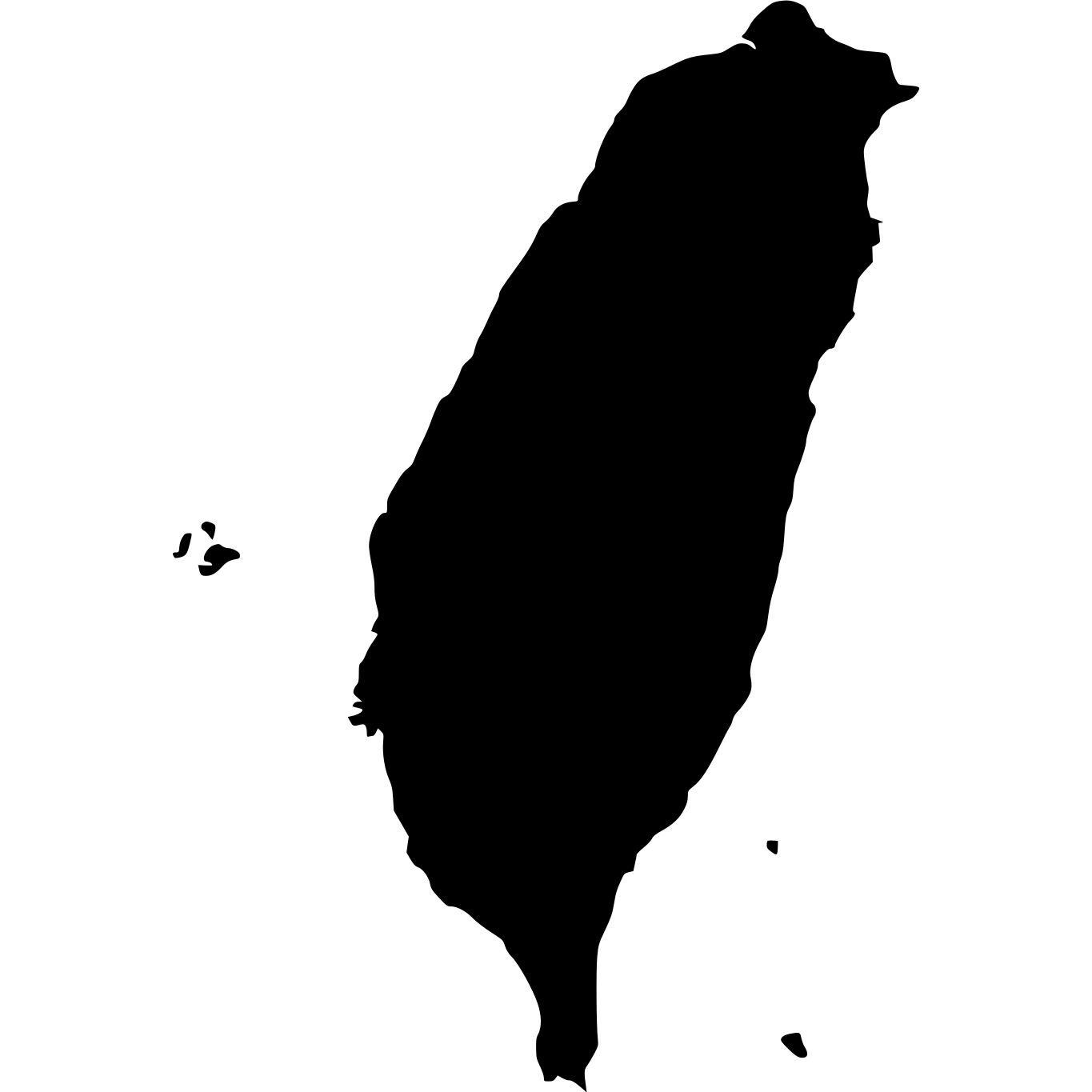
Dr. Wu is a Taiwanese brand
Often compared with

We're dedicated to providing you with the most up-to-date and science-backed ingredient info out there.
The data we've presented on this page has been verified by a member of the SkinSort Team.
Read more about us· Published March 26, 2026 • Added by Rieza


