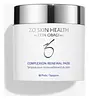
This smoothing exfoliating pad uses a pre-saturated pad with Salicylic Acid and Urea to refine skin texture and balance excess oil.
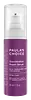
This brightening serum is formulated around Niacinamide and Tranexamic Acid to fade the look of dark spots and brighten dull-looking skin.

What's inside
What's inside
 Key Ingredients
Benefits
Concerns
Ingredients Side-by-side
Water
Skin ConditioningAlcohol
Antimicrobial




Propylene Glycol
Humectant
Salicylic Acid
Masking






Urea
Buffering

Pterocarpus Soyauxii Wood Extract
AstringentPhellodendron Amurense Bark Extract
Skin ConditioningHordeum Distichon Extract
Skin ProtectingCamellia Sinensis Leaf Extract
Antimicrobial



Artemisia Vulgaris Extract
Skin Conditioning
Plantago Lanceolata Leaf Extract
AntimicrobialCrithmum Maritimum Extract
Skin ConditioningSpiraea Ulmaria Extract
AstringentSodium Hydroxide
BufferingGlycolic Acid
Buffering



Butylene Glycol
Humectant
Sodium Carbonate
BufferingSodium Chloride
MaskingDisodium EDTA
T-Butyl Alcohol
Perfuming

Denatonium Benzoate
Masking
Phenoxyethanol
Preservative
Parfum
Masking
Citronellol
Perfuming
Hexyl Cinnamal
Perfuming
Limonene
Perfuming
Linalool
Perfuming
Water, Alcohol, Propylene Glycol, Salicylic Acid, Urea, Pterocarpus Soyauxii Wood Extract, Phellodendron Amurense Bark Extract, Hordeum Distichon Extract, Camellia Sinensis Leaf Extract, Artemisia Vulgaris Extract, Plantago Lanceolata Leaf Extract, Crithmum Maritimum Extract, Spiraea Ulmaria Extract, Sodium Hydroxide, Glycolic Acid, Butylene Glycol, Sodium Carbonate, Sodium Chloride, Disodium EDTA, T-Butyl Alcohol, Denatonium Benzoate, Phenoxyethanol, Parfum, Citronellol, Hexyl Cinnamal, Limonene, Linalool
Water
Skin ConditioningNiacinamide
Smoothing
Glycerin
Humectant
Tranexamic Acid
Astringent
C13-15 Alkane
SolventCaprylic/Capric Triglyceride
Masking
Dicaprylyl Carbonate
EmollientEthyl Macadamiate
Skin Conditioning
Behenyl Alcohol
Emollient
Glyceryl Stearate
Emollient
Butylene Glycol
Humectant
Silybum Marianum Seed Oil
Skin Conditioning
Tocopherol
Antioxidant
Lactobacillus/Coconut Fruit Juice Ferment Filtrate
Skin Conditioning
Lecithin
Emollient
Bakuchiol
Antimicrobial
Xanthan Gum
EmulsifyingCaprylyl Glycol
Emollient
Hydrogenated Lecithin
Emulsifying
Allantoin
Skin Conditioning
Glycine Soja Oil
Emollient

Hexylene Glycol
EmulsifyingBoerhavia Diffusa Root Extract
Skin Protecting
Glycine Soja Sterols
Emollient
Citric Acid
Buffering
Sodium Phytate
Malic Acid
Buffering
Phenoxyethanol
Preservative
Ethylhexylglycerin
Skin ConditioningWater, Niacinamide, Glycerin, Tranexamic Acid, C13-15 Alkane, Caprylic/Capric Triglyceride, Dicaprylyl Carbonate, Ethyl Macadamiate, Behenyl Alcohol, Glyceryl Stearate, Butylene Glycol, Silybum Marianum Seed Oil, Tocopherol, Lactobacillus/Coconut Fruit Juice Ferment Filtrate, Lecithin, Bakuchiol, Xanthan Gum, Caprylyl Glycol, Hydrogenated Lecithin, Allantoin, Glycine Soja Oil, Hexylene Glycol, Boerhavia Diffusa Root Extract, Glycine Soja Sterols, Citric Acid, Sodium Phytate, Malic Acid, Phenoxyethanol, Ethylhexylglycerin
Reviews
Ingredients Explained
These ingredients are found in both products.
Ingredients higher up in an ingredient list are typically present in a larger amount.
Butylene Glycol (or BG) is used within cosmetic products for a few different reasons:
Overall, Butylene Glycol is a safe and well-rounded ingredient that works well with other ingredients.
Though this ingredient works well with most skin types, some people with sensitive skin may experience a reaction such as allergic rashes, closed comedones, or itchiness.
Learn more about Butylene GlycolPhenoxyethanol is one of the most widely used preservatives in skincare (and for good reason!).
It has a large spectrum of antimicrobial activity and especially effective bacteria, yeast, and mold while only having a weak effect on your skin's natural microbiome.
On a cellular level, it disrupts the cell membranes of microbes by poking holes that make the cell leak. This shuts down the chemical reactions the microbe needs to make energy so it can no longer survive.
Another perk of this ingredient is that it stays functional across a wide pH range (3-10).
You'll often see it paired with boosters like Ethylhexylglycerin; one study showed that a 1:9 ratio of Ethylhexylglycerin to Phenoxyethanol damages bacterial membranes as effectively as doubling the Phenoxyethanol concentration on its own.
Typical use concentrations range from 0.3-1% depending on the formula, and this ingredient is capped at 1% int the EU.
Safety-wise, the fear mongering does not hold up to the evidence. The EU's Scientific Committee on Consumer Safety and FDA consider it safe as a preservative at up to 1%, including for children of all ages.
Adverse systemic effects only showed up in animal studies at exposures roughly 200x higher than what people get from cosmetics. And despite its very widespread use, this ingredient is a rare sensitizer and allergic reactions are uncommon.
Learn more about PhenoxyethanolWater. It's the most common cosmetic ingredient of all. You'll usually see it at the top of ingredient lists, meaning that it makes up the largest part of the product.
So why is it so popular? Water most often acts as a solvent - this means that it helps dissolve other ingredients into the formulation.
You'll also recognize water as that liquid we all need to stay alive. If you see this, drink a glass of water. Remember to stay hydrated!
Learn more about Water

