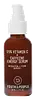
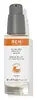
Youth To The People 15% Vitamin C + Clean Caffeine Energy Serum Versus REN Clean Skincare Glow and Protect Serum
This brightening serum is formulated around 3-O-Ethyl Ascorbic Acid and Tetrahexyldecyl Ascorbate to brighten dull-looking skin and fade the look of dark spots.
This hydrating serum is formulated around Squalane and Punica Granatum Seed Oil to hydrate skin.


What's inside
What's inside
 Key Ingredients
Benefits
Concerns
Ingredients Side-by-side
Water
Skin Conditioning3-O-Ethyl Ascorbic Acid
Skin Conditioning





Tetrahexyldecyl Ascorbate
Antioxidant
Propanediol
Solvent

Glycerin
Humectant
Pentylene Glycol
Skin Conditioning
Sodium Citrate
BufferingSqualane
Emollient
Triethyl Citrate
Masking

Gluconolactone
Chelating


Citric Acid
Buffering

Polyhydroxystearic Acid
Emulsifying
Polyglyceryl-6 Polyricinoleate
Emulsifying
Xanthan Gum
EmulsifyingSodium Hyaluronate
Humectant
Caffeine
Skin Conditioning
Magnesium Ascorbyl Phosphate
Antioxidant
Sodium Stearoyl Glutamate
CleansingSodium Benzoate
Masking
Lauroyl Lysine
Skin Conditioning
Passiflora Edulis Fruit Extract
Skin ConditioningSclerotium Gum
Emulsion StabilisingLecithin
Emollient
Ilex Guayusa Leaf Extract
Skin ProtectingIlex Paraguariensis Leaf Extract
Perfuming
Pullulan
Mannitol
Humectant
Hylocereus Undatus Fruit Extract
Skin ConditioningZingiber Officinale Root Oil
Masking


Calcium Gluconate
HumectantSilica
Abrasive
Potassium Sorbate
Preservative
Phenoxyethanol
Preservative
Ergothioneine
Antioxidant
Water, 3-O-Ethyl Ascorbic Acid, Tetrahexyldecyl Ascorbate, Propanediol, Glycerin, Pentylene Glycol, Sodium Citrate, Squalane, Triethyl Citrate, Gluconolactone, Citric Acid, Polyhydroxystearic Acid, Polyglyceryl-6 Polyricinoleate, Xanthan Gum, Sodium Hyaluronate, Caffeine, Magnesium Ascorbyl Phosphate, Sodium Stearoyl Glutamate, Sodium Benzoate, Lauroyl Lysine, Passiflora Edulis Fruit Extract, Sclerotium Gum, Lecithin, Ilex Guayusa Leaf Extract, Ilex Paraguariensis Leaf Extract, Pullulan, Mannitol, Hylocereus Undatus Fruit Extract, Zingiber Officinale Root Oil, Calcium Gluconate, Silica, Potassium Sorbate, Phenoxyethanol, Ergothioneine
Water
Skin ConditioningGlycerin
Humectant
Coco-Caprylate/Caprate
Emollient
Propanediol
Solvent
Diisooctyl Succinate
Emollient

Squalane
Emollient
Sucrose Polystearate
EmollientPunica Granatum Seed Oil
Emollient
Cetearyl Alcohol
Emollient

Ascorbyl Tetraisopalmitate
Antioxidant
Rosa Canina Fruit Oil
Emollient
Benzyl Alcohol
Perfuming

Helianthus Annuus Seed Oil
Emollient
Hylocereus Undatus Fruit Extract
Skin ConditioningXanthan Gum
EmulsifyingGlycogen
HumectantSodium Dehydroacetate
Preservative
Hydrolyzed Lupine Protein
Skin ConditioningSodium Hyaluronate
Humectant
Sodium Stearoyl Glutamate
CleansingHippophae Rhamnoides Oil
Emollient
Citric Acid
Buffering
Olea Europaea Oil Unsaponifiables
Skin Conditioning
Magnesium Ascorbyl Phosphate
Antioxidant
Dehydroacetic Acid
Preservative
Terminalia Ferdinandiana Fruit Extract
Antioxidant
Rosmarinus Officinalis Leaf Extract
AntimicrobialParfum
Masking
Citrus Aurantium Amara Flower Extract
RefreshingLinalool
Perfuming
Limonene
Perfuming
Geraniol
Perfuming
Benzoic Acid
Masking
Sodium Hydroxide
BufferingWater, Glycerin, Coco-Caprylate/Caprate, Propanediol, Diisooctyl Succinate, Squalane, Sucrose Polystearate, Punica Granatum Seed Oil, Cetearyl Alcohol, Ascorbyl Tetraisopalmitate, Rosa Canina Fruit Oil, Benzyl Alcohol, Helianthus Annuus Seed Oil, Hylocereus Undatus Fruit Extract, Xanthan Gum, Glycogen, Sodium Dehydroacetate, Hydrolyzed Lupine Protein, Sodium Hyaluronate, Sodium Stearoyl Glutamate, Hippophae Rhamnoides Oil, Citric Acid, Olea Europaea Oil Unsaponifiables, Magnesium Ascorbyl Phosphate, Dehydroacetic Acid, Terminalia Ferdinandiana Fruit Extract, Rosmarinus Officinalis Leaf Extract, Parfum, Citrus Aurantium Amara Flower Extract, Linalool, Limonene, Geraniol, Benzoic Acid, Sodium Hydroxide
Reviews
Ingredients Explained
These ingredients are found in both products.
Ingredients higher up in an ingredient list are typically present in a larger amount.
Citric Acid is an alpha hydroxy acid (AHA) naturally found in citrus fruits like oranges, lemons, and limes.
Like other AHAs, citric acid can exfoliate skin by breaking down the bonds that hold dead skin cells together. This helps reveal smoother and brighter skin underneath.
However, this exfoliating effect only happens at high concentrations (20%) which can be hard to find in cosmetic products.
Due to this, citric acid is usually included in small amounts as a pH adjuster. This helps keep products slightly more acidic and compatible with skin's natural pH.
In skincare formulas, citric acid can:
While it can provide some skin benefits, research shows lactic acid and glycolic acid are generally more effective and less irritating exfoliants.
Most citric acid used in skincare today is made by fermenting sugars (usually from molasses). This synthetic version is identical to the natural citrus form but easier to stabilize and use in formulations.
Rosacea skin has a lower threshold for acids generally, with 62.5% of rosacea subjects in one study reacting to lactic acid in a sting test. This is why we mark citric acid as a potential rosacea trigger.
However, this ingredient shows up as a pH adjuster or chelator at roughly 0.1-1% in many products. These low levels are unlikely to be an issue for rosacea skin and becomes a potential trigger at exfoliating concentrations (20%). Because everybody's skin is unique, we recommend a patch test if you are unsure.
Learn more about Citric AcidGlycerin (or glycerol) is a compound naturally found in your skin. It's a powerhouse humectant that pulls water into the stratum corneum.
Topically, glycerin does several things at once:
Your skin makes glycerin on its own (mostly from sebaceous oil breakdown) and shuttles it to your outermost layer of skin, or your epidermis, via aquaporin-3.
Aquaporin-3 is a transporter that is essential for normal skin hydration, elasticity, and repair. Interestingly, mice lacking in AQP3 have dry and less elastic skin that can be fully corrected with glycerin.
This ingredient is non-irritating, plays well with almost every ingredient, and works across all skin types. Typical use is anywhere between 3-10% but can go up to 79% in some leave-on products.
Just know very high concentrations (>40%) can feel tacky in low humidity.
Glycerin is the name for this ingredient in American English. British English uses Glycerol/Glycerine.
Learn more about GlycerinWe don't have a description for Hylocereus Undatus Fruit Extract yet.
Magnesium Ascorbyl Phosphate (MAP) is a water-soluble form of Vitamin C. It is used in skincare because it tends to be more formulation friendly than pure vitamin C (ascorbic acid).
According to research, MAP has three major benefits:
While MAP is gentler on the skin than ascorbic acid, it is thought to be less easily absorbed into the skin.
In a well-known absorption study, pure vitamin C increased skin vitamin C levels when formulated correctly, but derivatives like MAP did not in that experiment. This suggests MAP may not always convert into active vitamin C in the skin.
Due to MAP's stability up to a pH level of 7, it is more stable to air and sunlight exposure than ascorbic acid. The best pH range for MAP is between 5 and 6.
Learn more about Magnesium Ascorbyl PhosphatePropanediol is an all-star ingredient. It softens, hydrates, and smooths the skin.
It’s often used to:
Propanediol is not likely to cause sensitivity and considered safe to use. It is derived from corn or petroleum with a clear color and no scent.
Learn more about PropanediolSodium Hyaluronate is the salt form of hyaluronic acid. It is a long sugar chain that is naturally found in your skin, joints, and connective tissue that maintains hydration and elasticity.
In skincare, it works as a humectant. It pulls water from the environment and deeper layers of skin and binds it to the surface.
Interestingly, the size of the molecule affects its behavior:
Some clinical evidence links low molecular weight versions to improved wrinkle depth, elasticity, anti-inflammatory effects, and barrier repair.
Many serums use a blend of both weights so you can get surface hydration plus longer-lasting and deeper effects.
You'll typically see concentrations between 0.1-2% for this ingredient.
Learn more about Sodium HyaluronateSodium Stearoyl Glutamate is an amino-acid based emulsifier. It is made by combining stearic acid with L-glutamic acid and neutralizing it to a sodium salt.
As an emulsifier, it works mainly as an oil-in-water one and helps keep the oil and water in your formulas blended. It also contributes to a smooth, non-greasy skin feel.
This ingredient is biodegradable and commonly available in natural/COSMOS-certified grades.
Learn more about Sodium Stearoyl GlutamateSqualane is the hydrogenated and shelf-stable form of squalene (a lipid that naturally occurs in human sebum).
It is an emollient and skin conditioning agent that is able to integrate seamlessly into the skin's lipid barrier without clogging pores.
This is due to how structurally similar it is to what your skin already produces.
Though it is mostly an emollient that helps soften and hydrate skin, it also has some humectant and occlusive action. Humectants help the skin retain moisture while occlusives seal it in, making squalane a triple-threat moisturizer.
Research shows it has antioxidant capabilities that help protect against stressors like UV exposure, specifically UVA induced oxidative stress. This study also found that it supports collagen biosynthesis in human dermal fibroblasts.
No clinical study has reported significant adverse effects and irritation reactions are very rare from this ingredient (even at 100% concentration).
Overall, it's a fantastic ingredient for hydration and is suitable for all skin types.
This depends on the source. Squalane can be derived from both plants and animals. Most squalane used in skincare comes from plants.
Please note: the source of squalane is only known if disclosed by the brand. We recommend reaching out to the brand if you have any questions about their squalane.
Read more about squalene with an "e".
Though squalane is often called an oil, it’s technically not one. It is a hydrocarbon, meaning it is only made of carbon and hydrogen. True oils are triglycerides and made of fatty acids and glycerol.
The term “oil-free” isn’t regulated so companies can define it however they want. Some exclude all oils, while others just avoid mineral oil or comedogenic oils.
Squalane has a comedogenic rating of 1 from the original 1972 study that tested raw ingredients under occlusion on rabbit ears. This system is not standardized or peer-reviewed, and using the raw ingredients is very different from how diluted cosmetic formulations are used on human skin.
A comedogenic rating of 1 means it is "unlikely to clog pores" according to the original rating system.
The overall formula of a product matters more than the individual ingredients on whether or not it will cause clogged pores.
Learn more about SqualaneWater. It's the most common cosmetic ingredient of all. You'll usually see it at the top of ingredient lists, meaning that it makes up the largest part of the product.
So why is it so popular? Water most often acts as a solvent - this means that it helps dissolve other ingredients into the formulation.
You'll also recognize water as that liquid we all need to stay alive. If you see this, drink a glass of water. Remember to stay hydrated!
Learn more about WaterXanthan gum is used as a stabilizer and thickener within cosmetic products. It helps give products a sticky, thick feeling - preventing them from being too runny.
On the technical side of things, xanthan gum is a polysaccharide - a combination consisting of multiple sugar molecules bonded together.
Xanthan gum is a pretty common and great ingredient. It is a natural, non-toxic, non-irritating ingredient that is also commonly used in food products.
Learn more about Xanthan Gum