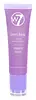
This barrier-repair lip moisturizer is formulated around Petrolatum and Butyrospermum Parkii Butter to strengthen the lip barrier and hydrate lips.
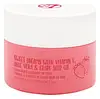
This hydrating lip mask is formulated around Vitis Vinifera Seed Oil to hydrate lips and calm redness.

What's inside
What's inside
 Key Ingredients
Benefits
Concerns
Ingredients Side-by-side
Paraffinum Liquidum
Emollient


Petrolatum
Emollient
Hydrogenated Polyisobutene
EmollientEthylhexyl Palmitate
Emollient



Microcrystalline Wax
Emulsion StabilisingHydrogenated Styrene/Isoprene Copolymer
Water
Skin ConditioningOzokerite
Emulsion StabilisingButyrospermum Parkii Butter
Skin Conditioning
Parfum
Masking

Octyldodecanol
Emollient
Pentaerythrityl Tetra-Di-T-Butyl Hydroxyhydrocinnamate
Antioxidant
Propylene Glycol
Humectant
Vaccinium Angustifolium Fruit Extract
Skin Protecting
Polyhydroxystearic Acid
Emulsifying
Stearic Acid
Cleansing
Magnesium Hydroxide
AbsorbentAluminum Hydroxide
EmollientSorbitan Oleate
Emulsifying
Phenoxyethanol
Preservative
Ethylhexylglycerin
Skin ConditioningBenzyl Benzoate
Antimicrobial
Linalool
Perfuming
CI 15850
Cosmetic ColorantCI 42090
Cosmetic ColorantParaffinum Liquidum, Petrolatum, Hydrogenated Polyisobutene, Ethylhexyl Palmitate, Microcrystalline Wax, Hydrogenated Styrene/Isoprene Copolymer, Water, Ozokerite, Butyrospermum Parkii Butter, Parfum, Octyldodecanol, Pentaerythrityl Tetra-Di-T-Butyl Hydroxyhydrocinnamate, Propylene Glycol, Vaccinium Angustifolium Fruit Extract, Polyhydroxystearic Acid, Stearic Acid, Magnesium Hydroxide, Aluminum Hydroxide, Sorbitan Oleate, Phenoxyethanol, Ethylhexylglycerin, Benzyl Benzoate, Linalool, CI 15850, CI 42090
Ethylhexyl Palmitate
Emollient
Polyisobutene
Hydrogenated Styrene/Isoprene Copolymer
Hydrogenated Poly(C6-20 Olefin)
Abrasive
Polyethylene
Abrasive
Methyl Hydrogenated Rosinate
Perfuming
Vitis Vinifera Seed Oil
Emollient
Paraffinum Liquidum
Emollient
Phytosteryl Oleate
Skin ConditioningTocopheryl Acetate
Antioxidant

Octyldodecanol
Emollient
Aroma
Alcohol
Antimicrobial

Neotame
MaskingBenzyl Benzoate
Antimicrobial
Cocos Nucifera Oil
Masking
Aloe Barbadensis Leaf Extract
Emollient
Benzyl Alcohol
Perfuming
Limonene
Perfuming
CI 16035
Cosmetic ColorantCI 77891
Cosmetic ColorantCI 19140
Cosmetic ColorantEthylhexyl Palmitate, Polyisobutene, Hydrogenated Styrene/Isoprene Copolymer, Hydrogenated Poly(C6-20 Olefin), Polyethylene, Methyl Hydrogenated Rosinate, Vitis Vinifera Seed Oil, Paraffinum Liquidum, Phytosteryl Oleate, Tocopheryl Acetate, Octyldodecanol, Aroma, Alcohol, Neotame, Benzyl Benzoate, Cocos Nucifera Oil, Aloe Barbadensis Leaf Extract, Benzyl Alcohol, Limonene, CI 16035, CI 77891, CI 19140
Reviews
Ingredients Explained
These ingredients are found in both products.
Ingredients higher up in an ingredient list are typically present in a larger amount.
Benzyl Benzoate is usually created from the condensation of benzoic acid and benzyl alcohol. It is used as a preservative, solvent, and has a floral/balsamic scent in large amounts.
As a preservative, Benzyl Benzoate works against bacteria and fungus. It is often used to treat scabies and lice in medicine.
Solvents are used to keep ingredients together in a product. They can help dissolve ingredients to stable bases or help evenly distribute ingredients throughout the product.
Due to its fragrance, Benzyl Benzoate can be sensitizing and may cause contact dermatitis. It is a known EU allergen. We recommend speaking with a professional if you have any concerns.
Benzyl Benzoate can be naturally found in cranberries and peaches.
Learn more about Benzyl BenzoateEthylhexyl Palmitate, also known as octyl palmitate, is created from 2-ethylhexyl alcohol and palmitic acid.
In cosmetics, it plays many roles:
One thing worth noting: a controlled study found this ingredient applied under occlusion to acne-prone subjects increased microcomedones. Just keep in mind this was under occlusive conditions and don't reflect how most products are used day-to-day.
For most people, this is a well-tolerated and lightweight ingredient.
This ingredient may not be fungal acne safe because it is an ester of palmitic acid, a C16 fatty acid that falls within the C11-24 range that Malassezia can metabolize.
Learn more about Ethylhexyl PalmitateWe don't have a description for Hydrogenated Styrene/Isoprene Copolymer yet.
Octyldodecanol is a fatty alcohol sourced from plant oils like coconut or palm (or made synthetically).
It is:
You'll likely see this in many BHA products because this is the go-to solvent for salicylic acid.
This ingredient is typically used at levels between 2-20%.
Regarding fungal acne:
In 2019, this ingredient was tested against multiple Malassezia species (the yeast that causes fungal acne) and showed no growth.
Paraffinum Liquidum is a highly-refined cosmetic-grade mineral oil. It is also known as liquid paraffin.
Despite its controversial reputation, the science is pretty clear: it's one of the most well-studied and effective moisturizing ingredients out there.
As an occlusive, it forms a protective layer on the skin that locks in moisture and prevents transepidermal water loss (TEWL). This makes it especially great for compromised skin barriers.
The "it clogs your pores" myth has been around for decades; a study found that industrial-grade mineral oil may be comedogenic but cosmetic-grade mineral oil is not (these two are very, very different).
A 2017 review concluded that cosmetic use of mineral oils and waxes does not present a risk to consumers due to absorption.
Mineral oil got a bad rap from the old rabbit ear studies. When tested on actual human skin, cosmetic-grade mineral oil showed no comedogenic activity. The rating of 0 is a correction of outdated science.
Mineral oil is an inert substance with no fatty acids so there's nothing to feed Malassezia. This ingredient is fungal acne safe.
Learn more about Paraffinum Liquidum

